

Updated: November 5, 2025 · 25 min read
Can You Sue a Property Owner for a Personal Injury in New York?
Quick Answer: Yes, you can sue a property owner in New York if you are injured due to their negligence or unsafe conditions on their property. To succeed, you must show the owner knew or should have known about the hazard and failed to fix it. Each case depends on the specific facts and circumstances involved.When Can You Hold a Property Owner Responsible for Your Injury in NYC?
In New York City, you can hold a property owner responsible for your injury only if certain legal conditions are met. The law requires that the property owner was negligent or failed to keep their property safe. Negligence means the owner did not take reasonable steps to prevent harm to visitors. Here are the main situations when a property owner may be held responsible for your injury:- The owner knew or should have known about a dangerous condition. For example, if there was a broken stair or slippery floor that the owner was aware of but did not fix or warn visitors about.
- The owner did not fix or warn about the hazard in a reasonable time. If the owner had enough time to repair the problem or put up signs but failed to do so, they might be responsible.
- You were legally allowed to be on the property. Since Basso v. Miller (1976), New York applies a single standard of reasonable care under the circumstances to all visitors, rather than rigid categories. However, your reason for being on the property—whether as a customer, social guest, or someone without permission—remains a key factor courts consider when evaluating the property owner's duty of care.
- The dangerous condition caused your injury. There must be a clear link between the hazard and your accident. For example, if you slipped on a wet floor that had no warning signs, and you were hurt, the owner might be liable.
Common Types of Property Owner Liability Cases in New York City
In New York City, several common types of property owner liability cases arise when someone is injured on another person’s property. These cases are often called premises liability claims. The property owner may be responsible if they failed to keep the property safe or warn visitors about dangers. Here are some typical examples of property owner liability cases in NYC:- Slip and Fall Accidents: These are among the most frequent cases. They happen when someone slips, trips, or falls because of wet floors, icy sidewalks, uneven pavement, broken stairs, or cluttered walkways. Property owners must maintain safe walking areas and fix hazards promptly.
- Trip and Fall Due to Poor Lighting or Obstructions: Injuries can occur if a property owner fails to provide adequate lighting or leaves objects in walkways, causing visitors to trip and fall.
- Defective or Unsafe Conditions: This includes broken handrails, loose floorboards, damaged elevators, or faulty escalators. Property owners must repair or warn about these dangerous conditions.
- Dog Bites or Animal Attacks: Property owners who keep pets may be liable if their animal injures someone. In NYC, strict rules apply to dog owners regarding control and warning signs.
- Swimming Pool Injuries: Property owners with pools must follow safety rules, such as fencing and proper maintenance. Failure to do so can lead to accidents and injuries.
- Construction Site Accidents: If a property is under construction or repair, the owner must ensure the site is safe for visitors and properly marked with warnings.
- Fire and Smoke Injuries: Property owners must keep fire alarms, sprinklers, and exits in working order. Negligence in these areas can cause injuries during a fire emergency.
How New York Premises Liability Laws Protect Injured Visitors
New York’s premises liability laws are designed to protect people who get hurt while visiting someone else’s property. These laws require property owners to keep their premises reasonably safe. If they fail to do so and someone is injured, the injured person may have the right to sue the property owner for damages. Under New York law, a property owner must take reasonable steps to fix or warn visitors about dangerous conditions. This duty applies to all types of properties, including homes, stores, offices, and public places in New York City. The goal is to prevent accidents and injuries caused by hazards like slippery floors, broken stairs, or poor lighting. Here are some key ways New York premises liability laws protect injured visitors:- Duty to Maintain Safe Conditions: Property owners must regularly inspect and maintain their property to avoid hazards that could cause injury.
- Warning of Known Dangers: If a property owner knows about a dangerous condition, they must warn visitors clearly and promptly.
- Liability for Negligence: If the owner fails to act reasonably to fix or warn about a hazard, and someone is hurt, the owner can be held responsible for the injury.
- Protection for Different Visitors: The law recognizes different types of visitors, such as invitees (people invited for business), licensees (people allowed to be there but not for business), and trespassers. The owner’s duty changes depending on who is injured.
Proving Negligence in a New York Property Owner Injury Claim
To prove negligence in a New York property owner injury claim, you must show that the property owner failed to keep their property reasonably safe. Negligence means the owner did not act with the care that a reasonable person would use to prevent harm. There are four main elements you need to prove in a negligence claim against a property owner:- Duty of Care: The property owner had a legal responsibility to keep the property safe for visitors. Under Basso v. Miller (1976), New York applies a single standard of reasonable care under the circumstances. Your reason for being on the property—such as a customer, tenant, or social guest—is one factor courts consider when evaluating the scope of that duty.
- Breach of Duty: The property owner failed to meet their duty. This could mean not fixing a dangerous condition, failing to warn about a hazard, or not inspecting the property regularly to find risks.
- Causation: The property owner’s breach of duty directly caused your injury. You must show that the injury would not have happened if the property owner had acted properly.
- Damages: You suffered actual harm, such as medical bills, pain, or lost income, because of the injury.
- Photos or videos of the dangerous condition
- Witness statements from people who saw the hazard or the accident
- Maintenance or repair records showing if the owner inspected or fixed the property
- Incident reports or complaints about the hazard before your injury
- Medical records documenting your injuries
Important Deadlines for Filing a Personal Injury Lawsuit in New York
In New York, there are strict deadlines you must meet if you want to file a personal injury lawsuit against a property owner. These deadlines are called statutes of limitations. They set the maximum time you have to start a lawsuit after being injured. Missing these deadlines usually means you lose your right to sue. For most personal injury cases involving property owners in New York, the statute of limitations is three years from the date of the injury. This means you have three years from the day you were hurt to file your lawsuit in court. Here are some key points about these deadlines in New York City:- Accident Date Starts the Clock: The three-year period usually begins on the exact day you got injured on the property.
- Exceptions May Apply: New York has a narrow “discovery rule” under CPLR 214-c, but it mainly applies to latent injuries from toxic exposure or foreign objects left after surgery—not to standard premises liability claims like slip-and-fall accidents. In most property injury cases, the clock starts on the date of the accident.
- Claims Against Government Entities: If the property owner is a city or state government, different and often shorter deadlines apply. For example, you may need to file a notice of claim within 90 days of the injury and then file a lawsuit within one year and 90 days.
- Minors or Incapacitated Persons: Under CPLR 208, if the injured person is under 18 at the time of injury, the statute of limitations is tolled (paused) until they turn 18, then the standard three-year period begins—meaning they generally have until age 21 to file. For incapacitated persons, the toll lasts until capacity is regained.
What Evidence Do You Need to Sue a Property Owner in NYC?
To sue a property owner for a personal injury in New York City, you need to gather strong evidence that shows the owner was responsible for your injury. This evidence helps prove your case in court or during settlement talks. Here are the key types of evidence you should collect:- Photographs and Videos of the Accident Scene: Take clear pictures or videos of the place where you got hurt. Capture the exact spot, any hazards like broken stairs, wet floors, poor lighting, or debris that caused your fall or injury.
- Medical Records and Reports: Keep all documents related to your injury, such as doctor’s notes, hospital records, test results, and bills. These records show the extent of your injury and link it to the accident.
- Witness Statements: If anyone saw the accident happen, ask them for their contact information and written or recorded statements. Witnesses can support your version of events and confirm the dangerous condition.
- Incident Reports: If the injury happened on a commercial property, such as a store or restaurant, ask for an official incident report. Property owners or managers often create these reports after an accident.
- Maintenance and Inspection Records: Try to obtain records that show whether the property owner regularly checked and fixed the dangerous condition. Poor maintenance records can help prove negligence.
- Expert Opinions: In some cases, experts like safety inspectors or engineers may review the property and give opinions about the hazard and how it caused your injury.
- Personal Notes and Diary: Write down details about how the injury happened, how it affected your daily life, and any conversations you had with the property owner or witnesses. This information can be useful later.
How Comparative Fault Affects Your Injury Case in New York
In New York, the concept of comparative fault (CPLR 1411) plays an important role in personal injury cases involving property owners. Comparative fault means that if you were partly responsible for your own injury, your compensation might be reduced based on your share of the fault. New York follows a system called pure comparative negligence. This means that even if you are mostly at fault for the accident, you can still recover some damages. However, your total compensation will be lowered by the percentage of fault assigned to you. For example, if you were injured on someone else’s property and the court finds you 30% responsible for the accident, your damages award will be reduced by 30%. So, if the total damages are $100,000, you would receive $70,000 after the reduction. Here are some key points about how comparative fault affects your injury case in New York:- Fault is shared: Both you and the property owner can be found partially responsible for the injury.
- Percentage matters: The court or jury decides the exact percentage of fault for each party.
- Compensation adjusts: Your final settlement or award is lowered according to your percentage of fault.
- No bar to recovery: You can still sue a property owner even if you are mostly at fault, but your recovery will reflect your share of responsibility.
Steps to Take Immediately After a Property Injury in New York City
If you suffer a personal injury on someone else’s property in New York City, taking the right steps immediately after the accident is very important. These actions can help protect your health, preserve evidence, and support any future legal claim you may have against the property owner. Here are the key steps to take right after a property injury in New York City:- Get Medical Help Right Away. Your health is the top priority. Even if your injury seems minor, see a doctor as soon as possible. Some injuries may not show symptoms immediately but can worsen over time. Medical records will also document your injuries, which is important for any legal claim.
- Report the Injury to the Property Owner or Manager. Notify the property owner, landlord, or building manager about the accident. Ask them to record the incident in their accident log or report. This creates an official record that the injury happened on their property.
- Call 911 or Emergency Services if Needed. If your injury is serious, call 911 or ask someone nearby to do so. Emergency responders can provide immediate care and create an official accident report, which can be useful later.
- Document the Accident Scene. Take photos or videos of the area where you were injured. Capture any dangerous conditions such as wet floors, broken stairs, poor lighting, or debris. Also, photograph your injuries and any objects that caused the harm.
- Collect Contact Information. Get the names, phone numbers, and addresses of any witnesses who saw the accident. Also, record the contact details of the property owner or manager you reported the injury to. Witness statements can support your case if you decide to sue.
- Preserve Evidence. Do not throw away or fix anything that caused your injury, such as damaged flooring or broken equipment. Keep any clothing or personal items that were damaged in the accident. This evidence can be important in proving your claim.
- Write Down What Happened. As soon as you can, write a detailed account of the accident. Include the time, date, location, weather conditions, and exactly how the injury occurred. This record can help you remember important facts later.
- Notify Your Insurance Company. Depending on your coverage, you may need to report the injury to your health or homeowner’s insurance. This can help with medical bills and other expenses.
- Consult a Personal Injury Attorney. If your injury is serious or you believe the property owner was responsible, consider speaking with a lawyer experienced in New York premises liability law. They can explain your rights and help you understand if you have a valid claim.
What Damages Can You Recover in a New York Property Injury Lawsuit?
When you file a personal injury lawsuit against a property owner in New York, you may be able to recover several types of damages. Damages are the money awarded to compensate you for losses caused by the injury. Understanding what kinds of damages you can seek helps you know what to expect from the legal process. In New York property injury cases, damages generally fall into two main categories: economic damages and non-economic damages.- Economic damages cover financial losses you can prove with bills, receipts, or pay records. These include:
- Medical expenses: Costs for hospital stays, doctor visits, surgeries, physical therapy, medication, and medical equipment related to your injury.
- Lost wages: Money you lose because you cannot work while recovering. This also includes reduced earning capacity if your injury affects your ability to work in the future.
- Property damage: If personal property was damaged during the accident, like a phone or clothing, you may recover repair or replacement costs.
- Other out-of-pocket expenses: This can include transportation costs for medical visits or hiring help at home if you cannot perform daily tasks.
- Non-economic damages compensate for losses that are not easily measured in money but still affect your life. These include:
- Pain and suffering: Compensation for physical pain and emotional distress caused by the injury.
- Emotional distress: This covers anxiety, depression, or trauma resulting from the accident and injury.
- Loss of enjoyment of life: If your injury limits your ability to enjoy hobbies, social activities, or everyday pleasures, you may recover damages for this loss.
- Disfigurement or permanent disability: If your injury causes lasting scars or limits your physical abilities, damages may reflect these permanent changes.
Frequently Asked Questions About Suing Property Owners for Injuries in New York
- Can I sue a property owner if I am injured on their property in New York? Yes, you can sue a property owner for personal injuries if their negligence caused your injury. However, you must prove that the owner failed to keep the property safe or warn about dangers, and that this failure led to your injury.
- What types of injuries can lead to a lawsuit against a property owner? Common injuries include slip and falls due to wet floors, broken stairs, poor lighting, or icy sidewalks. Injuries from falling objects, dog bites, or unsafe conditions on construction sites may also be grounds for a claim.
- Does it matter if I was on the property legally? Yes. Under Basso v. Miller (1976), New York applies a single standard of reasonable care to all visitors, but your reason for being on the property is a key factor. A customer or tenant is more foreseeable than a trespasser, so the property owner's duty is evaluated accordingly.
- How soon must I file a lawsuit after being injured? In New York, the statute of limitations for personal injury claims against property owners is generally three years from the date of injury. It is important to act quickly to preserve your rights.
- What evidence should I gather if I want to sue a property owner? Collect photos of the accident scene and any hazards, medical records of your injuries, witness contact information, and any reports like police or building inspection reports. This evidence helps prove the owner’s negligence.
- Can the property owner claim I was partly at fault? Yes. New York follows a comparative fault rule. This means your compensation may be reduced by the percentage of your own fault. For example, if you are 30% at fault, your damages award will be reduced by 30%.
- What damages can I recover in a property injury lawsuit? You may recover damages for medical bills, lost wages, pain and suffering, emotional distress, and sometimes punitive damages if the owner’s conduct was especially careless.
- Do I need a lawyer to sue a property owner? While you can represent yourself, property injury claims can be complex. A lawyer can help gather evidence, deal with insurance companies, and explain your rights to improve your chances of fair compensation.
- What if the property is owned by a government agency? Suing a government entity involves special rules and shorter deadlines called notice of claim requirements. It’s important to consult a lawyer quickly if a government property caused your injury.
- How does New York City’s busy environment affect property injury cases? In NYC, property owners must be especially careful due to heavy foot traffic and weather conditions like snow and ice. Conditions that might be acceptable elsewhere could be considered negligent in the city.
Sources
- CPLR Section 214 — Three-Year Statute of Limitations for Personal Injury (NY Senate)
- CPLR Section 1411 — Pure Comparative Negligence (NY Senate)
- General Municipal Law Section 50-e — Notice of Claim Requirements (NY Senate)
- CPLR Section 208 — Infancy Toll (Minors) (NY Senate)
- Basso v. Miller, 40 N.Y.2d 233 (1976) — Single Standard of Reasonable Care (NY Courts)
- NYC Administrative Code Section 7-210 — Sidewalk Liability for Property Owners (NYC Admin Code)
- CPLR Section 214-c — Discovery Rule for Latent Injuries (NY Senate)
- Statute of Limitations Chart (NY Courts)
How The Orlow Firm Supports Clients Suing Property Owners in NYC
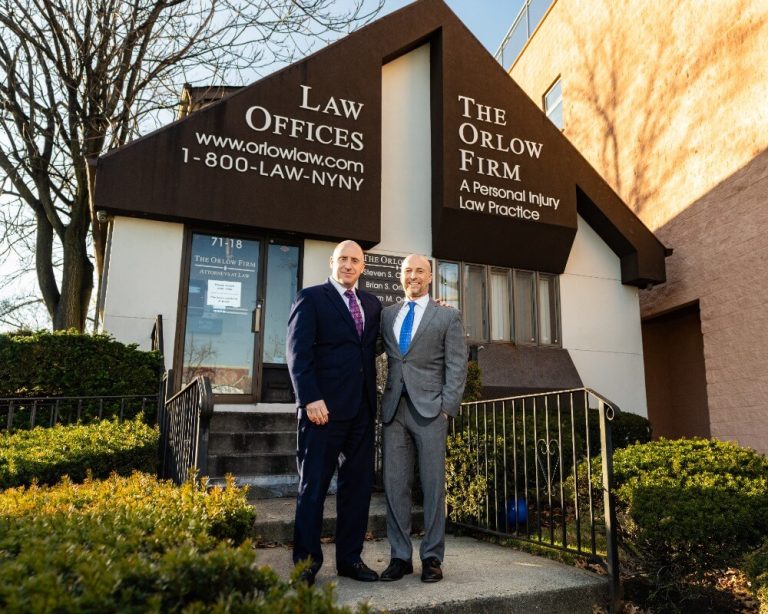 When someone is injured on another person’s property in New York City, The Orlow Firm provides careful and clear support to help clients understand their rights and options. We know that dealing with an aftermath of an injury can be stressful and confusing. Our role is to guide clients step-by-step through the legal process of suing a property owner for personal injury, if that is appropriate.
Here are some ways The Orlow Firm supports clients in these cases:
When someone is injured on another person’s property in New York City, The Orlow Firm provides careful and clear support to help clients understand their rights and options. We know that dealing with an aftermath of an injury can be stressful and confusing. Our role is to guide clients step-by-step through the legal process of suing a property owner for personal injury, if that is appropriate.
Here are some ways The Orlow Firm supports clients in these cases:
- Case Review and Legal Advice: We start by listening carefully to your story and reviewing the facts. This helps us determine if the property owner may be legally responsible for your injury under New York law.
- Explaining Your Rights: We explain important legal terms and concepts in plain language. For example, we clarify what “premises liability” means and how property owners must keep their property safe for visitors.
- Gathering Evidence: We help collect the evidence needed to build a strong case. This may include photographs of the accident scene, witness statements, medical records, and maintenance logs related to the property.
- Proving Negligence: We assist in showing that the property owner was negligent. This means proving they failed to fix a dangerous condition or warn visitors about it, which led to your injury.
- Meeting Deadlines: New York has strict time limits for filing personal injury lawsuits, known as statutes of limitations. We make sure all paperwork is filed on time to protect your right to sue.
- Negotiating with Insurance Companies: Property owners often have insurance to cover injury claims. We communicate with insurance adjusters to seek fair compensation without unnecessary delays.
- Preparing for Court: If a fair settlement is not possible, we prepare to take your case to court. We explain what to expect during the trial and support you throughout the process.
- Providing Compassionate Support: We understand that injuries can affect your life in many ways. Our team offers compassionate guidance and answers your questions to help reduce your stress.
The Following People Contributed to This Page
Written byParalegal & Office ManagerB.A.Sc., Political Science & Government, John Jay College of Criminal Justice (CUNY), 22+ years at The Orlow Firm, Bilingual: English and Spanish


