

Updated: November 12, 2025 · 24 min read
Understanding 12 NYCRR § 23-1.13: An Overview
Understanding 12 NYCRR § 23-1.13 is crucial for anyone navigating personal injury claims related to construction accidents in New York City. This section of the New York Codes, Rules, and Regulations (NYCRR) is part of a broader regulatory framework designed to ensure safety in construction environments. Specifically, 12 NYCRR § 23-1.13 addresses the critical safety requirements for electrical hazards in construction sites, which is a significant concern given the high volume of construction activity in NYC. 12 NYCRR § 23-1.13 mandates specific protocols to minimize the risk of electrical injuries, which can often be severe or even fatal. The regulation requires that all electrical installations on construction sites adhere to stringent safety standards. This includes ensuring that electrical equipment is properly insulated, grounded, and maintained to prevent accidents. Additionally, the regulation emphasizes the importance of using appropriate protective gear and following established safety procedures when working near electrical hazards. For workers and employers in New York City, compliance with 12 NYCRR § 23-1.13 is not just a legal obligation but a critical component of workplace safety. Construction sites are inherently dangerous, and electrical hazards add another layer of risk. New York City, known for its iconic skyline and constant construction, sees numerous incidents where non-compliance with these safety standards leads to serious injuries. Understanding and adhering to these regulations can significantly reduce the likelihood of accidents. For instance, a common scenario might involve a construction worker who suffers an electric shock due to exposed wiring not being properly insulated or marked. Such incidents highlight the necessity of strict adherence to the safety protocols outlined in 12 NYCRR § 23-1.13. By ensuring compliance, construction companies can protect their workers and avoid potential legal liabilities. If you or a loved one has been injured in a construction accident involving electrical hazards, understanding the implications of 12 NYCRR § 23-1.13 is essential. The Orlow Firm is here to help you navigate these complex regulations and explore your legal options. For personalized assistance, contact us directly at (646) 647-3398.Key Safety Requirements Under 12 NYCRR § 23-1.13
12 NYCRR § 23-1.13 is a crucial regulation under the New York State Industrial Code that specifically addresses electrical hazards in construction and demolition sites. Understanding and adhering to these safety requirements is vital for protecting workers and preventing accidents. Here, we outline the key safety requirements under 12 NYCRR § 23-1.13:- Power Line Precautions: All power lines and power facilities around or near construction, demolition, and excavation sites must be considered energized until a qualified representative of the owner confirms otherwise.
- Voltage Determination: Before work begins, employers must determine the voltage levels of all energized power lines and power facilities around or near the site. Where multiple voltages are available, all electrical equipment and circuits must be appropriately identified.
- Investigation and Warning: Employers must investigate whether any electric power circuit could pose a danger, post and maintain proper warning signs, and advise employees of the locations, hazards, and protective measures required.
- Proper Insulation and Grounding: Electrical systems and current-carrying equipment must be properly grounded. Portable electric power generators must have their frames and one pole of the electrical outputs grounded. Any wiring with cracked or deteriorated insulation must be immediately removed from service.
- Temporary Wiring Safety: Temporary electrical wiring must be supported on proper insulators and not looped over nails or brackets. No bare wires or unprotected current-carrying parts may be located within eight feet above any surface where persons may work or pass.
- Switch and Circuit Protection: Open switches or other circuit control devices must not be left unguarded so as to expose energized parts, and open switches must be guarded against accidental closing.
- Utility Notification Requirements: Written notice must be provided to utility companies before working within 10 feet of overhead energized high-voltage power lines. The utility owner must then advise on procedures to follow within one normal working day.
Common Violations of 12 NYCRR § 23-1.13 in New York City
New York City's bustling construction scene is subject to a myriad of regulations designed to ensure the safety of workers and the general public. Among these regulations is 12 NYCRR § 23-1.13, which specifically addresses electrical hazards on construction sites. Despite the clear guidelines set forth by this regulation, violations are unfortunately common, posing significant risks to workers. Understanding these common violations can help workers and employers take better precautions.- Inadequate Grounding of Electrical Equipment : One of the most frequent violations involves the failure to properly ground electrical equipment. Grounding is essential because it prevents electrical shock by providing a path of least resistance for electrical current to the earth. Without proper grounding, workers are at risk of severe electrical shocks, which can result in serious injuries or even fatalities.
- Lack of Insulation on Electrical Wires : Insulation is crucial for preventing direct contact with live wires. A common violation is the use of damaged or poorly insulated wiring, which can lead to accidental electric shocks. In a city as busy as New York, where construction sites are often cramped and chaotic, the risk of such incidents is significantly heightened.
- Improper Use of Temporary Power Sources : Construction sites frequently rely on temporary power sources, which must be installed and maintained according to strict safety standards. Under 12 NYCRR § 23-1.13, temporary wiring must be supported on proper insulators, properly grounded, and any wiring with deteriorated insulation must be immediately removed from service. Violations occur when these sources are not properly managed, such as using improperly grounded equipment or failing to discard wiring with cracked insulation.
- Failure to Guard Open Switches : 12 NYCRR § 23-1.13 requires that open switches and circuit control devices be properly guarded to prevent exposure to energized parts and accidental closing. Violations occur when switches are left unguarded, which can lead to accidental energization and severe electrical injuries.
- Failure to Post Warning Signs : Clear signage is critical in alerting workers to potential electrical hazards. A common violation is the absence of adequate warning signs or labels around live electrical parts, which can lead to unintentional exposure to electrical risks.
How 12 NYCRR § 23-1.13 Protects Construction Workers
Construction work is inherently dangerous, and New York City is no exception with its bustling construction sites. To safeguard construction workers, regulations like 12 NYCRR § 23-1.13 play a crucial role. This specific regulation is part of a broader set of rules aimed at ensuring safe working conditions on construction sites, focusing particularly on electrical hazards and the protection of workers from potential electrical injuries. 12 NYCRR § 23-1.13 emphasizes the importance of electrical safety, providing guidelines designed to protect workers from electrical hazards that could lead to serious injuries or fatalities. Here's how this regulation protects construction workers:- Electrical Hazard Identification and Warning: The regulation requires employers to investigate and identify all electrical hazards before work begins, post proper warning signs, and advise employees of the locations and risks of electrical circuits on or near the site.
- Worker Notification: Employers must inform workers about the location of power lines and circuits, the hazards involved, and the protective measures to be taken. This ensures workers are aware of electrical dangers in their work environment.
- Employee Protection from Shock: Workers must be protected from electrical contact by de-energizing circuits and grounding them, or by guarding circuits with effective insulation or other means. This prevents accidental exposure to live electrical components.
- Switch and Equipment Guarding: Open switches and circuit control devices must not be left unguarded so as to expose energized parts, and must be guarded against accidental closing, preventing unintended energization.
- Defective Equipment Removal: Any wiring found to have cracked or deteriorated insulation must be immediately removed from service and discarded, ensuring that damaged electrical components do not remain in use on the site.
Legal Implications of 12 NYCRR § 23-1.13 Non-Compliance
Non-compliance with 12 NYCRR § 23-1.13 can have serious legal implications, particularly for construction site owners, contractors, and employers in New York City. This regulation, which is part of the New York Codes, Rules and Regulations (NYCRR), outlines specific safety requirements for the use and handling of electrical equipment at construction sites. Failing to adhere to these standards not only endangers workers but also exposes responsible parties to potential legal consequences. Here are some key legal implications of non-compliance with 12 NYCRR § 23-1.13:- Civil Liability: When a worker is injured due to a violation of 12 NYCRR § 23-1.13, the injured party may have grounds to file a personal injury lawsuit. In such cases, site owners or contractors could be held liable for damages, including medical expenses, lost wages, and pain and suffering. The law is designed to protect workers, and courts often take a strict stance on safety violations.
- Regulatory Fines and Penalties: The New York State Department of Labor enforces NYCRR standards, and non-compliance can result in substantial fines and penalties. These financial penalties are intended to serve as a deterrent and encourage adherence to safety regulations.
- Increased Insurance Premiums: Companies found in violation of safety regulations may face increased insurance premiums. Insurers view non-compliance as an indicator of risk, which can result in higher costs for coverage.
- Reputation Damage: Beyond legal and financial repercussions, companies known for violating safety standards may suffer reputational harm. This can impact their ability to secure contracts and attract skilled workers, as safety-conscious clients and employees may choose to avoid associating with negligent companies.
Steps to Take if Injured Due to 12 NYCRR § 23-1.13 Violations
If you or a loved one has been injured due to violations of 12 NYCRR § 23-1.13, it’s crucial to take immediate and thoughtful steps to protect your rights and ensure your well-being. This regulation is part of New York’s labor laws intended to safeguard construction workers from electrical hazards, and non-compliance can lead to serious injuries. Here’s what you should do if you find yourself in such a situation:- Seek Medical Attention Immediately: The first and most important step is to seek medical care. Even if you believe your injuries are minor, it is vital to get a professional evaluation to document your condition and start treatment. This documentation will also serve as critical evidence if you decide to pursue a legal claim.
- Report the Incident: Notify your supervisor or employer about the accident as soon as possible. Make sure the incident is officially recorded, as this report will be an essential part of your claim. If possible, obtain a copy of this report for your records.
- Document the Scene: If you are able, take photos or videos of the accident scene, focusing on any safety violations or hazardous conditions that contributed to your injury. Capture details like exposed wires, improper signage, or lack of protective equipment.
- Gather Witness Information: Collect contact information from any witnesses who saw the accident happen. Their statements can provide valuable support to your claim.
- Keep Detailed Records: Maintain a file of all medical bills, treatment records, and any other expenses related to your injury. Also, keep a journal of how your injuries impact your daily life and ability to work.
- Consult with a Personal Injury Attorney: Navigating the complexities of 12 NYCRR § 23-1.13 and workers' compensation laws can be daunting. Consulting with a knowledgeable personal injury attorney can help you understand your rights and options. At The Orlow Firm, we have extensive experience handling such cases and can guide you through the process. Call us at (646) 647-3398 for a compassionate consultation.
The Role of 12 NYCRR § 23-1.13 in Worker Safety Regulations
In the realm of construction safety, 12 NYCRR § 23-1.13 plays a vital role in safeguarding workers by establishing comprehensive safety regulations. These regulations are specifically designed to minimize the risk of accidents related to electrical hazards on construction sites, which are prevalent in bustling urban areas like New York City. Understanding the role of this regulation is crucial for both employers and employees in the construction industry. 12 NYCRR § 23-1.13 is part of the New York Codes, Rules and Regulations and focuses on electrical safety standards to protect workers from electrical shocks, burns, and other related injuries. It mandates that construction sites implement specific safety measures, including:- Proper Insulation and Grounding: All electrical equipment and installations must be appropriately insulated and grounded to prevent accidental contact with live electrical parts. Portable generators must have their frames and one pole of the electrical outputs grounded.
- Safe Work Practices: Employers must ensure that workers are protected from electrical contact by de-energizing and grounding circuits, or by guarding them with effective insulation. Defective wiring must be immediately removed from service.
- Hazard Identification and Warning: Employers must investigate and identify all electrical hazards before work begins, post proper warning signs, and advise workers of the locations, hazards, and protective measures required.
- Utility Coordination: Before work is performed within 10 feet of high-voltage power lines, employers must provide written notice to the utility company, which must then advise on safe procedures within one working day.
How to Report a 12 NYCRR § 23-1.13 Violation
Reporting a violation of 12 NYCRR § 23-1.13 is crucial for maintaining safety standards on construction sites in New York City. This regulation, part of New York's industrial code, focuses on electrical safety measures to protect workers from hazards such as electric shock and arc flash. If you suspect a violation, here’s how you can report it:- Identify the Violation: Before reporting, ensure that you have identified a clear violation of 12 NYCRR § 23-1.13. This could include inadequate grounding of electrical equipment, lack of protective gear, or improper handling of electrical circuits.
- Gather Evidence: Document the violation with as much detail as possible. Take photographs or videos, note the time and date, and gather the names of any witnesses. This evidence will be crucial in substantiating your claim.
- Report to Your Supervisor: Start by reporting the issue to your immediate supervisor or the site safety officer. They may be able to address the problem quickly and ensure compliance with the regulation.
- Contact the New York City Department of Buildings (DOB): If the issue is not resolved at the site level, you can file a complaint with the NYC DOB. They are responsible for enforcing construction codes and can conduct inspections to verify violations. Complaints can be submitted online via the DOB website or by calling 311.
- Notify OSHA: The Occupational Safety and Health Administration (OSHA) also oversees workplace safety. If the violation poses a significant risk, you can file a complaint with OSHA. They provide a hotline at 1-800-321-6742 for reporting unsafe working conditions.
- Consult a Legal Professional: If you encounter resistance or if the violation leads to an injury, it may be beneficial to consult with a legal professional. At The Orlow Firm, our experienced attorneys can provide guidance and help you understand your rights. Call us at (646) 647-3398 for a free consultation.
The Importance of 12 NYCRR § 23-1.13 in NYC Construction Sites
In the bustling environment of New York City construction sites, safety regulations such as 12 NYCRR § 23-1.13 play a critical role in protecting workers. This specific section addresses the safety measures required to prevent electrical hazards, which are prevalent in construction and demolition projects. Understanding its importance can significantly impact the well-being of workers and the legal responsibilities of employers. Enhancing Worker Safety 12 NYCRR § 23-1.13 is vital because it mandates strict safety protocols that help prevent electrical accidents, which are often severe and potentially fatal. In NYC, where construction projects are extensive and complex, compliance with these regulations ensures that workers face fewer risks from electrical sources.- Hazard Investigation and Warning: Employers must investigate all potential electrical hazards before work begins, post warning signs, and inform workers about the locations of power circuits and the protective measures required.
- Voltage Determination: Before any work begins, employers must determine the voltage levels of all energized power lines and facilities around or near the site, ensuring workers are aware of the specific risks present.
- Defective Equipment Removal: Any wiring with cracked or deteriorated insulation must be immediately removed from service and discarded, preventing continued exposure to electrical hazards.
Seeking Compensation for 12 NYCRR § 23-1.13 Breaches
When breaches of 12 NYCRR § 23-1.13 occur, construction workers in New York City may face serious injuries due to the lack of compliance with safety regulations. If you or a loved one has been injured because of these violations, seeking compensation can help recover costs associated with medical bills, lost wages, and other damages. Here’s how you can pursue compensation:- Document the Incident: Immediately after the accident, it is crucial to document everything related to the incident. Take photographs of the site, your injuries, and any equipment involved. This evidence can be pivotal in proving that a breach of 12 NYCRR § 23-1.13 contributed to your injury.
- Seek Medical Attention: Your health is the top priority. Seek medical attention as soon as possible, even if your injuries seem minor. Medical records will serve as an essential part of your compensation claim, providing evidence of the injuries sustained.
- Report the Violation: Notify your employer and the site supervisor about the unsafe conditions. Additionally, report the violation to the New York City Department of Buildings or Occupational Safety and Health Administration (OSHA) to ensure that the issue is formally documented.
- Consult with an Experienced Attorney: Engaging with a knowledgeable personal injury attorney can significantly impact the outcome of your case. An attorney can help navigate the complexities of construction law and the specifics of 12 NYCRR § 23-1.13, ensuring that your rights are protected.
- Gather Witness Statements: If possible, collect statements from coworkers or other witnesses who observed the incident. Their accounts can corroborate your version of events and strengthen your claim.
- File a Personal Injury Claim: With the assistance of your attorney, file a claim against the responsible parties. This could include the construction company, contractors, or equipment manufacturers, depending on the circumstances of the violation.
Frequently Asked Questions About 12 NYCRR § 23-1.13
What is 12 NYCRR § 23-1.13? 12 NYCRR § 23-1.13 is a section of the New York Codes, Rules, and Regulations that specifically addresses safety requirements related to electrical hazards on construction sites. It is part of a broader set of regulations aimed at ensuring the safety and health of workers in the construction industry. Who is responsible for complying with 12 NYCRR § 23-1.13? The responsibility for compliance typically falls on employers, contractors, and site managers who oversee construction projects. They are required to ensure that all safety measures outlined in the regulation are properly implemented to protect workers from electrical hazards. What are common violations of 12 NYCRR § 23-1.13? Common violations include failure to properly insulate electrical wires, inadequate training for workers handling electrical equipment, and lack of personal protective equipment (PPE). These violations can lead to serious injuries or even fatalities on construction sites. How does 12 NYCRR § 23-1.13 protect construction workers? The regulation mandates specific safety measures such as proper grounding of electrical equipment, regular inspections, and the use of appropriate PPE. By enforcing these requirements, the regulation aims to minimize the risk of electrical accidents and injuries on construction sites. What should I do if I notice a violation of 12 NYCRR § 23-1.13 at my workplace? If you observe a violation, it is important to report it immediately to your supervisor or site manager. If the issue is not resolved, you can file a complaint with the New York State Department of Labor's Division of Safety and Health (DOSH), which enforces the Industrial Code. You can also report violations to the NYC Department of Buildings by calling 311 or to OSHA at 1-800-321-6742. Taking these steps can help prevent accidents and ensure a safer work environment. Can I seek compensation if I'm injured due to a violation of 12 NYCRR § 23-1.13? Yes, if you are injured due to non-compliance with 12 NYCRR § 23-1.13, you may be entitled to seek compensation for your injuries. This could cover medical expenses, lost wages, and other damages. Consulting with a personal injury lawyer can help you understand your legal options. How can The Orlow Firm assist with cases involving 12 NYCRR § 23-1.13? The Orlow Firm has extensive experience handling construction accident cases in New York City. Our team can provide legal guidance and representation to help you pursue the compensation you deserve. If you have been injured due to a violation of 12 NYCRR § 23-1.13, contact us at (646) 647-3398 for a consultation.Sources
- 12 NYCRR § 23-1.13 — Electrical Hazards — Cornell Law Institute, Legal Information Institute
- Safety & Health Code Rules — New York State Department of Labor
- File a Complaint — Occupational Safety and Health Administration (OSHA)
- File a Complaint — NYC Department of Buildings
- Report Suspected Workplace Violations — State of New York
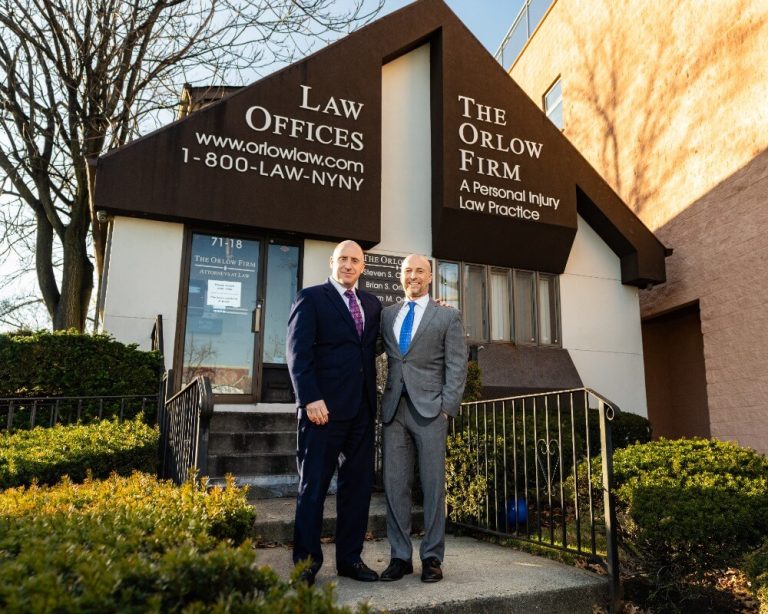
Contact The Orlow Firm for Assistance with 12 NYCRR § 23-1.13 Cases
- $3.375 million for a construction worker who fell from a ladder, resulting in multiple surgeries.
- $2.6 million for an HVAC laborer injured by a falling drop ceiling.
- $2.475 million for a worker who received an electric shock and fell from a scaffold.
- $1.75 million for a worker who fractured his ankle in a fall from a ladder.
- Experience in Construction Law: Our attorneys focus on personal injury law with a focus on construction accidents and regulatory compliance.
- Compassionate Representation: We understand the physical, emotional, and financial toll an injury can take, and we are here to support you every step of the way.
- Proven Results: Our track record speaks for itself, with millions recovered for injured workers in NYC.
- No Upfront Fees: We work on a contingency fee basis, meaning you pay nothing unless we win your case.
The Following People Contributed to This Page
Written byParalegal & Office ManagerB.A.Sc., Political Science & Government, John Jay College of Criminal Justice (CUNY), 22+ years at The Orlow Firm, Bilingual: English and Spanish


