

Updated: January 21, 2026 · 21 min read
What are Third-Party Claims in Construction Accidents?
Quick Answer: In New York, third-party claims let injured construction workers seek compensation from parties other than their employer—like contractors, property owners, or equipment manufacturers. These claims can provide additional financial recovery beyond workers' compensation benefits. Contact our New York City construction accident lawyers today for a no-obligation case evaluation: (646) 647-3398.Who Can Be Held Liable in Third-Party Claims?
In construction accident cases, determining liability can be complex, as multiple parties may be involved. Third-party claims focus on identifying people or businesses, other than the injured worker's employer, who may have caused or contributed to the accident. Potential Liable Parties in Construction Accidents- Property Owners: Must keep their property reasonably safe. If a hazard caused your injury, they may be held liable.
- General Contractors: Oversee site safety. If they failed to follow safety rules, they could be held responsible.
- Subcontractors: Must meet safety standards. If their actions caused harm, you might have a valid claim.
- Equipment Manufacturers: Can be liable under product liability laws if defective equipment was involved.
- Architects and Engineers: May be responsible if design flaws created unsafe conditions that led to the accident.
Common Scenarios Leading to Third-Party Claims in NYC Construction Accidents
The construction industry is one of the most dangerous fields to work in, especially in a fast-paced environment like New York City. Despite regulations and safety measures, accidents still occur. Below are some real-world scenarios that frequently give rise to third-party claims on NYC construction sites:-
Defective or Malfunctioning Equipment: Injuries may result from faulty cranes, power tools, or machinery. If the defect was due to poor design, manufacturing, or maintenance, a third party, such as the manufacturer or service provider, may be held liable.
-
Unsafe Scaffolding or Structural Failures: Falls from improperly installed or secured scaffolding are common. If a subcontractor or outside party failed to follow safety protocols, they may be responsible.
-
Falling Objects and Debris: Workers hit by tools, materials, or debris dropped from above may have a claim if a third party was responsible for securing the site or equipment.
-
Collapse of Temporary Structures or Building Elements: Support beams, formwork, or other temporary structures that collapse due to poor construction or flawed design may lead to liability for engineers, subcontractors, or vendors.
-
Transportation and Delivery Incidents: Workers struck by delivery trucks or injured during unloading may have a claim if the incident was caused by a negligent third-party driver or company.
-
Exposure to Hazardous Substances: If workers are exposed to asbestos, chemicals, or toxic dust without proper warnings or protections, the manufacturer or supplier of those substances may be liable.
Understanding these possibilities is crucial for injured workers seeking full compensation beyond what workers’ compensation might cover. If you or a loved one has been injured in a construction accident and believes a third party may be at fault, contacting The Orlow Firm at (646) 647-3398 can provide you with guidance on how to proceed with your claim.
Differences Between Workers' Compensation and Third-Party Claims
When a construction accident occurs in New York City, it’s important for injured workers to understand the legal options available for financial recovery. Two primary paths exist: workers’ compensation and third-party claims. While both provide a way to recover damages, they differ significantly in scope, process, and the types of compensation available.Workers’ compensation
Workers’ compensation is a form of insurance that provides benefits to employees who are injured on the job—regardless of fault. In New York, nearly all employers are required to carry workers’ compensation insurance under Workers’ Compensation Law § 2 and 3. This coverage typically includes:- Payment for medical treatment
- A portion of lost wages
- Rehabilitation services, when applicable
Third-Party Claims
In contrast, a third-party claim allows an injured worker to pursue a separate legal action against someone other than their employer who may have caused or contributed to the accident. Examples of potentially liable third parties include:- Equipment manufacturers
- Property owners
- General contractors or subcontractors
- Require proof of negligence or legal fault
- May offer broader compensation, including damages for pain and suffering, full lost wages, and other losses not covered by workers’ compensation
Key Distinctions
To summarize:- Workers’ compensation provides no-fault benefits, but limits recovery to economic losses like medical bills and partial wages.
- Third-party claims require establishing liability, but may lead to more comprehensive compensation, including non-economic damages.
Steps to Take After a Construction Accident in New York City
If you've been involved in a construction accident in New York City, taking the right steps immediately afterward can be crucial—especially if you’re considering a third-party claim. Here’s a step-by-step guide to protect your health and legal rights:- Ensure Immediate Safety: Your first priority should be your safety and the safety of others. Move to a safe location if possible and assess any immediate injuries. Call 911 to report the accident and request medical assistance.
- Seek Medical Attention: Even if you feel fine, it's important to see a medical professional as soon as possible. Some injuries may not be immediately apparent. Documenting your injuries promptly is also essential for any future claims.
- Report the Accident: Notify your employer about the accident as soon as possible. In New York, this step is crucial for any potential workers' compensation claims and helps establish an official record of the incident.
- Document the Scene: If you're able, take photographs of the accident scene, including any equipment involved, hazards present, and your injuries. Collect contact information from any witnesses, as their testimony could be valuable for your claim.
- Keep Detailed Records: Maintain a file with all relevant documents, including medical reports, accident reports, witness statements, and any communication with your employer or insurance companies. These records will be vital in supporting your third-party claim.
- Avoid Making Statements: Do not provide written or recorded statements to insurance companies or third parties without consulting an attorney. What you say could be used against you in a future claim.
- Consult with a Personal Injury Attorney: Contact a personal injury lawyer familiar with construction accidents in NYC to discuss your case. An attorney can help you understand your rights, evaluate potential third-party claims, and guide you through the legal process.
Legal Rights of Injured Workers in Third-Party Claims
Injured construction workers in New York City are entitled to a range of legal rights when pursuing a third-party personal injury claim. These rights are designed to ensure fair treatment, access to legal remedies, and the opportunity to recover damages that may not be available through workers’ compensation alone. Below is an overview of the key legal rights workers should be aware of when considering or pursuing a third-party claim:- Right to Pursue Additional Compensation: Injured construction workers have the right to file a third-party claim against any entity whose negligence contributed to their accident. This could include subcontractors, equipment manufacturers, or property owners.
- Right to Legal Representation: Workers have the right to seek legal representation to help navigate the complexities of third-party claims. A knowledgeable attorney can assist in identifying liable parties, gathering evidence, and building a strong case.
- Right to a Fair Settlement: Injured workers are entitled to pursue a fair settlement that compensates for damages not covered by workers' compensation, such as pain and suffering, future medical expenses, and lost earning capacity.
- Right to Request a Jury Trial: If settlement talks fail, you may demand a jury trial by including a jury demand in the note of issue or by filing a separate demand within fifteen days of the note of issue, in accordance with CPLR § 4102.
- Right to Timely Action: There are statutes of limitations that apply to third-party claims, meaning workers must file their claims within a specific time frame. Failing to act promptly can result in losing the right to pursue compensation.
How Third-Party Claims Work Under New York City Law
Navigating a third-party claim after a construction accident in New York City involves understanding the legal process and the obligations involved. While third-party claims have been introduced earlier, this section focuses on how these claims function within New York's legal framework—from identifying who may be liable, to how claims are filed and proven in court.- Who Can Be Sued? In a third-party claim, the injured worker may bring a lawsuit against any individual or entity—other than their employer—whose negligence played a role in the accident. This might include contractors, subcontractors, property owners, equipment manufacturers, or any other party responsible for safety violations or defective products.
- Proving Negligence: To succeed in a third-party claim, the injured party must demonstrate that the third party owed a duty of care, breached that duty through negligence, and that the breach was a proximate cause of the injury. Proving these elements typically requires a thorough investigation and supporting evidence, such as safety records, eyewitness testimony, photographs, and expert analysis.
- Legal Process: The process of filing a third-party claim in New York involves several steps, including filing a complaint in court, gathering evidence, and possibly going to trial if a settlement cannot be reached. It’s crucial to adhere to New York’s limitation periods
- Statute of Limitations: Under CPLR § 214, most personal injury claims must be filed within three years of the date of the accident. Claims against most municipal entities require a Notice of Claim to be filed within 90 days, and the lawsuit itself must be initiated within one year and 90 days under G.M.L. § 50-e and § 50-i.
- Comparative Negligence: New York applies a pure comparative negligence rule, which means that if you are partially responsible for the accident, your compensation may be reduced by the percentage of your fault. For example, if you are found 20% at fault, your total recovery may be reduced by 20%. This legal standard applies whether your case settles or proceeds to trial.
Evidence Needed for a Successful Third-Party Claim
When pursuing a third-party claim in a construction accident, gathering the right evidence is crucial to building a successful case. This type of claim involves holding a party other than your employer responsible for your injuries, such as a contractor, equipment manufacturer, or property owner. Below are key types of evidence that can strengthen your third-party claim:- Accident Reports: Obtain any official reports related to the accident, such as those from the Occupational Safety and Health Administration (OSHA) or local authorities. These documents can provide an objective account of the incident and identify potential safety violations or negligence.
- Photo or Video Evidence: Capture detailed photos and/or videos of the accident scene, including equipment, safety hazards, and your injuries. Photographs can serve as powerful visual evidence to support your claim, showing the conditions that led to the accident.
- Witness Statements: Collect statements from coworkers, supervisors, or bystanders who witnessed the accident. Witnesses can provide valuable insights into how the accident occurred and whether any safety protocols were breached.
- Medical Records: Keep thorough records of your medical treatments, diagnoses, and any ongoing care related to your injuries. Medical documentation is essential for proving the extent of your injuries and linking them to the accident.
- Safety Records and Protocols: Review safety manuals, training records, and inspection reports from the construction site. These documents may reveal lapses in safety standards or inadequate training that contributed to the accident.
- Employment Records: Maintain records of your employment, including your role, responsibilities, and the safety training you received. This information can help establish your presence at the site and your adherence to safety guidelines.
- Expert Testimony: In some cases, hiring an expert witness such as an engineer or safety consultant can help clarify technical aspects of the accident. Their testimony can provide an authoritative perspective on whether industry standards were met.
Potential Compensation in Third-Party Construction Accident Claims
When pursuing a third-party claim in a construction accident in New York City, understanding the potential compensation you might receive is crucial. Unlike workers' compensation, which primarily covers medical expenses and a portion of lost wages, third-party claims can offer broader compensation options for injured workers. Here are the types of compensation you may be entitled to:- Medical Expenses: Third-party claims can cover the full extent of your medical bills, including hospital stays, surgeries, physical therapy, and any future medical treatments related to the injury.
- Lost Wages: If your injury prevents you from working, you may be compensated for the wages you lost during your recovery period. This can include both past and future lost income if your ability to work is permanently affected.
- Pain and Suffering: Unlike workers' compensation, third-party claims allow you to seek damages for physical pain and emotional distress caused by the accident. This is particularly important if the injury has significantly impacted your quality of life.
- Loss of Consortium: If your injury adversely affects your relationship with your spouse, you may be eligible for compensation for loss of companionship and support.
- Property Damage: If any personal property was damaged as a result of the accident, such as tools or equipment, you might be compensated for repair or replacement costs.
Challenges in Pursuing Third-Party Claims in Construction Accidents
Pursuing third-party claims in construction accidents can be a complex and challenging process, particularly in a bustling city like New York. Here are some of the primary challenges injured workers may face:- Identifying Liable Parties: One of the first challenges is determining who can be held liable. In construction accidents, multiple parties may be involved, such as subcontractors, equipment manufacturers, or property owners. Each potential party requires a thorough investigation to establish their level of responsibility.
- Gathering Sufficient Evidence: To build a strong third-party claim, it's crucial to gather comprehensive evidence. This includes accident reports, witness statements, safety records, and expert testimonies. In the chaotic environment of a construction site, collecting this evidence can be particularly difficult.
- Navigating Insurance Complexities: Insurance companies often represent third parties in these claims, and they may try to minimize payouts. Understanding the nuances of insurance policies and negotiating effectively with insurers requires a strategic approach.
- Understanding Legal Procedures: The legal process for third-party claims can be intricate, involving various legal statutes and procedural rules. For those unfamiliar with the legal system, this can be overwhelming, highlighting the importance of legal guidance.
- Proving Negligence: Unlike workers' compensation claims, which do not require proof of fault, third-party claims necessitate demonstrating that the third party’s negligence contributed to the accident. This often involves detailed legal arguments and evidence presentation.
- Statute of Limitations: In New York, there are strict timelines within which a third-party claim must be filed. Missing these deadlines can result in losing the right to pursue compensation, making timely legal action essential.
- Potential for Multiple Jurisdictions: Construction projects often span multiple jurisdictions or involve parties from different states, thereby complicating the legal landscape and necessitating knowledge of various legal systems.
How The Orlow Firm Assists with Third-Party Claims in NYC
At The Orlow Firm, we recognize that the aftermath of a construction accident in New York City can be overwhelming—particularly when it involves evaluating the potential for a third-party claim. Our approach focuses on providing tailored legal support and diligent representation to help injured workers pursue appropriate legal remedies beyond workers’ compensation.- Comprehensive Case Analysis: We begin by conducting a comprehensive review of the circumstances surrounding the accident to identify any parties—other than the employer—who may bear legal responsibility. This includes investigating the accident scene, reviewing applicable safety records and protocols, and consulting with qualified experts when necessary. Our objective is to determine whether any third parties, such as contractors, property owners, equipment manufacturers, or service providers, may be liable for contributing to the incident.
- Legal Guidance and Procedural Support: Navigating the legal process for a third-party claim can be complex, particularly in the context of New York construction law. Our attorneys guide clients through each stage of the process, including filing deadlines, procedural requirements, and evidentiary standards. We work to ensure that all claims are filed in a timely manner, that applicable statutes and regulations are properly addressed, and that our clients are informed and prepared at every step.
- Pursuit of Full and Fair Compensation: Third-party claims may allow injured workers to seek compensation beyond the limits of workers’ compensation, including damages for pain and suffering, full lost wages, and in limited cases, punitive damages where willful or reckless conduct is involved. Our attorneys evaluate all potential avenues for recovery, engage in negotiations with insurance carriers, and, when appropriate, proceed to litigation to pursue compensation that accurately reflects the extent of your injuries and losses. We are committed to building a well-supported case aimed at achieving a resolution that addresses both immediate and long-term impacts.
- Ongoing Client Communication and Support: We are dedicated to maintaining open and consistent communication with every client throughout the course of their case. Our team provides timely updates, responds to questions, and ensures that you are fully informed about developments and next steps. We understand that construction accidents often bring physical, emotional, and financial strain, and we strive to offer not only legal guidance but also the support and clarity needed to navigate this challenging period with confidence.
Contacting The Orlow Firm for a Free Consultation on Third-Party Claims
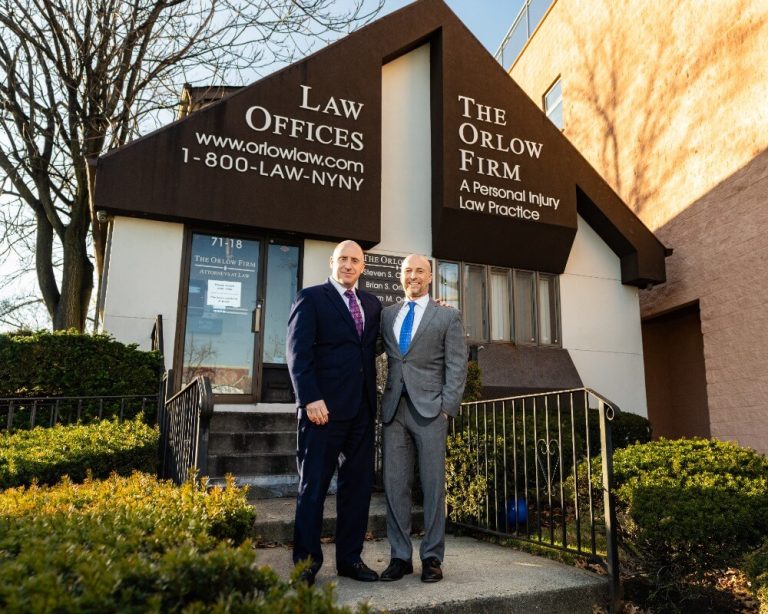
- Initial Consultation: During your free consultation, our attorneys will take the time to learn the facts of your case, including how the accident occurred, the nature of your injuries, and any prior communications with your employer, insurance carriers, or site personnel. This meeting is confidential and comes with no obligation to move forward.
- Case Evaluation: We will assess whether a potential third-party claim exists based on the facts of your case. This includes identifying non-employer parties—such as subcontractors, equipment manufacturers, or property owners—who may have contributed to the unsafe conditions that caused your injuries.
- Explaining Your Legal Options: Our team will walk you through the key differences between workers’ compensation and third-party claims. If your situation supports a third-party claim, we will explain how that process may provide opportunities to seek compensation not available through workers’ compensation alone, such as damages for pain and suffering, full lost wages, and other losses.
- Next Steps and Legal Process: If you choose to pursue a third-party claim, we will guide you through every stage—from gathering evidence and filing necessary documents to negotiating with insurers or litigating the matter in court when needed. Our goal is to manage the legal process so you can focus on your recovery.
- Ongoing Client Support: Throughout the course of your case, our attorneys and staff will keep you informed, answer your questions, and ensure that you have the information and support you need to make confident legal decisions.
Sources
- New York State Workers' Compensation Board — Coverage Requirements
- New York State Senate — CPLR § 214 (Statute of Limitations)
- New York State Senate — CPLR § 4102 (Jury Demand)
- New York State Senate — General Municipal Law § 50-e (Notice of Claim)
- New York State Senate — CPLR § 1411 (Comparative Negligence)
The Following People Contributed to This Page


