

Updated: December 5, 2025 · 20 min read
What Is a Pattern or Practice Claim in NYC Civil Rights Cases?
Quick Answer: A pattern or practice claim asserts that a police department has consistently and systematically engaged in conduct that violates people's constitutional rights, rather than just isolated incidents. Under federal law (34 U.S.C. § 12601), these claims target widespread, repeated misconduct such as excessive force, unlawful stops, or discriminatory policing that represents the department's standard way of operating. Here's a more detailed explanation:- Systemic Misconduct: These claims are designed to expose and challenge police misconduct that is deeply embedded and widespread throughout a law enforcement agency. Unlike individual civil rights lawsuits, which focus on single events, pattern or practice claims aim to prove that constitutional violations are a regular and intentional part of the department's operational methods.
- Core of the Claim: The central argument in a pattern or practice case is to demonstrate that the alleged discriminatory conduct constitutes the employer's "standard operating procedure." This implies that the practice is not an anomaly but a consistent, recurring behavior that affects a class of employees.
- Evidence Types: Investigators and courts rely on both statistical and non-statistical evidence to establish a pattern. Statistical evidence can include analysis of use-of-force data, arrest rates, stop-and-frisk records, and complaint patterns across racial or demographic groups. Non-statistical evidence, such as body camera footage, internal affairs records, witness testimony, and community complaints, may also support the case.
- Who May File: Under federal law, only the U.S. Department of Justice (DOJ) can bring pattern or practice claims against law enforcement agencies under 34 U.S.C. § 12601. In New York, the State Attorney General also has authority to investigate and bring civil litigation against law enforcement agencies for patterns of misconduct. Individual victims cannot file pattern or practice claims themselves, but their complaints and lawsuits can help support broader investigations.
- Shifting Burden of Proof: In pattern or practice cases, once the plaintiff successfully demonstrates a consistent "pattern or practice" of discrimination, the legal burden typically shifts to the employer. At this point, the employer must prove that the alleged discriminatory practice is necessary for the business and that it did not, in fact, discriminate, or that its actions were based on legitimate, non-discriminatory reasons.
How Do Pattern or Practice Claims Differ from Individual Misconduct Claims?
Pattern or practice claims are very different from individual misconduct claims. Each type of claim helps address police misconduct, but they focus on different problems and legal processes. Individual misconduct claims focus on just one officer’s actions in a specific case. This could involve things like use of excessive force, an unlawful arrest, or racial profiling. In these cases, a single victim—such as someone wrongfully arrested or injured—files a lawsuit to get compensation for what happened to them. On the other hand, pattern or practice claims look at a much broader issue. These claims aim to show that misconduct is not just a one-time thing. Instead, they claim that wrongdoing happens again and again within a police department—and that the department allows it to continue. This could point to poor training, lack of oversight, or a culture where misconduct is ignored. Here’s a simple breakdown of how the two differ:- Scope: Individual claims focus on one incident. Pattern or practice claims focus on repeated behavior over time.
- Parties Involved: Individuals bring personal claims. Pattern or practice cases are usually brought by the U.S. Department of Justice or another government agency against the whole police department.
- Goal: Individual claims seek compensation for the person harmed. Pattern or practice claims seek to change how the entire department operates to prevent future abuse.
- Evidence: In individual claims, you must prove that one officer violated your rights. Pattern or practice claims require evidence of ongoing and similar complaints from multiple people over time.
What Types of Police Misconduct Can Lead to a Pattern or Practice Claim?
Certain patterns of police misconduct can lead to a special kind of legal case known as a pattern or practice claim. These claims are not about a one-time incident. Instead, they focus on repeated actions by a police department that violate people’s civil rights like the NYPD. In New York City, these claims are particularly important because misconduct can affect large communities over time. A pattern or practice claim looks for repeated behavior that shows a department either allowed or failed to stop illegal actions by its officers. Below are some common types of police misconduct that can lead to such claims:- Use of Excessive Force: This happens when police use more force than necessary. If a department routinely allows officers to use unnecessary violence—especially in communities of color—it may support a pattern or practice claim.
- Unlawful Stops and Searches: If officers regularly stop or search people without legal reasons (like without probable cause or a warrant), and the department fails to correct it, this may show a pattern of illegal behavior.
- Discriminatory Policing: A claim may arise if officers stop, arrest, or treat people differently based on race, religion, gender, or other protected traits. For example, targeting Black or Latino residents more often than others can be part of a pattern or practice.
- False Arrests or Fabricated Evidence: If officers regularly arrest people without proper cause, or lie in reports or testimonies, and the department allows it to continue, this could support a claim.
- Failure to Investigate Misconduct: A lack of discipline or investigation into officer wrongdoing over time may show that the department encourages or ignores bad behavior.
- Retaliation Against Complainants: If officers or the department punish people for reporting misconduct—such as harassment or false charges—that may indicate a harmful practice.
Who Can File a Pattern or Practice Lawsuit Against a Police Department in New York?
Unlike most civil lawsuits, individual victims cannot file a pattern or practice claim on their own. These types of cases are usually brought by the U.S. Department of Justice (DOJ) or, in some cases, by state attorneys general. The goal of a pattern or practice claim is to show that a police department has repeated, unlawful conduct—not just a single incident of misconduct. However, while you cannot personally file a pattern or practice lawsuit, your experience may still matter. If you’ve been a victim of police misconduct in New York City, your complaint could become part of a larger investigation. These investigations look for patterns based on many people’s stories and evidence. Here’s a breakdown of who can file and how your role as a victim may contribute:- U.S. Department of Justice (DOJ): The DOJ’s Civil Rights Division can file a pattern or practice lawsuit under federal law, especially if there's evidence of systematic abuse or discrimination by a police department.
- New York State Attorney General: In some cases, the state can also investigate and bring a civil claim against a law enforcement agency based on repeated rights violations.
- Civil rights organizations: While they generally don’t file the lawsuit directly, they often gather data, support victims, and help push for government investigations.
How Are Pattern or Practice Investigations Conducted in NYC?
Pattern or practice investigations in New York City usually begin after reports suggest ongoing police misconduct. These claims are not about just one bad officer. They focus on whether a department regularly allows, approves, or ignores actions that violate people's rights. These investigations are serious and often involve detailed review from outside agencies, including federal officials. Here’s how a typical pattern or practice investigation is conducted:- Initial Complaints Trigger the Inquiry: Investigations often start with many complaints, news reports, or lawsuits that show a possible trend of abuse, discrimination, or violations by police in NYC.
- Review by the U.S. Department of Justice (DOJ): The DOJ’s Civil Rights Division may step in to investigate the department. They have the power under federal law to look into whether police actions violate constitutional rights.
- Data Collection: Investigators gather records from the department, including arrest data, body camera footage, internal reports, and complaints. They may also use statistics to look for patterns across large numbers of incidents.
- Interviews and Site Visits: Investigators may speak with officers, leaders, community groups, and people who’ve had contact with the police. This helps them understand how the department works day-to-day.
- Searching for Patterns: The goal is to find repeated problems, like excessive force, false arrests, biased policing, or failure to discipline officers properly. One-third of complaints won’t prove a pattern, but if dozens show similar problems, that supports the case.
What Role Does the U.S. Department of Justice Play in Pattern or Practice Cases?
The U.S. Department of Justice (DOJ) plays a major role in investigating and addressing pattern or practice claims against police departments, including those in New York City. These claims involve repeated or widespread misconduct—not just isolated incidents—by law enforcement officers or agencies. When the DOJ steps in, it is usually through the Civil Rights Division. This division enforces a federal law known as 34 U.S.C. § 12601 (formerly 42 U.S.C. § 14141). This law makes it illegal for police departments to engage in a pattern or practice of conduct that violates people’s civil rights under the U.S. Constitution or federal law. Here’s how the DOJ gets involved in these cases:- Receiving Reports: The DOJ may start looking into a police department if they receive complaints from the public, civil rights groups, or government officials.
- Launching Investigations: Once enough cause exists, the DOJ can open a formal investigation. These investigations are thorough and often involve reviewing reports, body camera footage, use-of-force records, and training policies.
- Conducting Site Visits: DOJ staff may visit police stations, observe officers on duty, and interview department leaders, officers, and community members.
- Working with the City: If evidence shows systemic issues, the DOJ tries to work with the city and department to fix the problems. In many cases, this leads to a formal agreement called a consent decree or settlement agreement.
What Are the Legal Outcomes of a Successful Pattern or Practice Claim?
When a pattern or practice claim against a police department in New York City is successful, it can lead to important legal changes. These outcomes are meant to correct ongoing civil rights violations and prevent future abuses. These claims usually focus on widespread problems, not just isolated acts of misconduct. Below are some of the main results that may follow a successful claim.- Court-Ordered Reforms: A judge may order the police department to take specific steps to stop the unconstitutional practices. These court orders may include improved training, new policies, or stricter supervision of officers.
- Consent Decrees: Sometimes, the city may agree to fix the problems through a legal agreement called a consent decree. This is a deal between the government and the police department that is approved and enforced by a federal judge. It requires the department to make specific changes and usually includes regular check-ins to ensure progress.
- Independent Oversight: A successful claim may also lead to the appointment of an independent monitor. This is a neutral party chosen by the court who checks to make sure the police department follows the reforms. The monitor will report back to the judge and the public.
- Policy and Training Changes: The department may have to update or remove policies that allowed for racial profiling, the use of excessive force, or illegal stops and searches. Officers may also be required to receive better training on civil rights, de-escalation, and use-of-force standards.
- Community Involvement: Successful claims may also lead to better communication between the police and the community. This may involve community advisory boards or public meetings to give citizens a voice in reform efforts.
How Can These Claims Help Protect Civil Rights in New York City?
Pattern or practice claims are important tools that help protect civil rights in New York City. They focus on widespread issues within police departments, rather than isolated cases. These claims can lead to lasting changes that benefit entire communities. Here are several key ways these claims help protect civil rights in NYC:- Expose systemic problems: These claims look at repeated patterns of misconduct, such as racial profiling or excessive use of force. By showing that the issue isn't just one bad officer but a deeper problem, they reveal what needs to be fixed.
- Hold departments accountable: When a police department is found to have a pattern of violating people's rights, the courts can step in. This might lead to agreements that force the department to improve training, supervision, and policies.
- Push for meaningful reforms: Instead of focusing on one event, pattern or practice claims target long-term change. These reforms might include better oversight, new use-of-force practices, or improvements in how officers interact with the public.
- Protect vulnerable communities: These claims often arise when certain groups—such as people of color, immigrants, or youth—are unfairly targeted by police. Taking action can help ensure that all residents are treated fairly and respectfully.
- Give voice to victims: When many people come forward with similar experiences, they can support each other and show that the problem is real and ongoing. This shared voice can lead to greater public attention and legal action.
Frequently Asked Questions About Pattern or Practice Claims in NYC
Below are some of the most frequently asked questions about pattern or practice claims against police departments in New York City. These answers are meant to help you better understand how these types of civil rights claims work.- What is a pattern or practice claim? A pattern or practice claim is a legal case that aims to show that a police department repeatedly violates people’s civil rights. It’s not just about one officer or one incident. It looks at widespread problems, like ongoing use of excessive force or racial profiling by many officers over time.
- How is a pattern or practice claim different from a personal claim? An individual claim focuses on one person’s experience with police misconduct. A pattern or practice claim looks at whether the police department as a whole has a routine of acting in harmful or illegal ways. It tries to fix the system, not just address one case.
- Can victims of police misconduct file a pattern or practice claim on their own? No, individual victims usually cannot file pattern or practice claims by themselves. These types of lawsuits are often handled by government agencies, such as the U.S. Department of Justice. However, your case could help support a larger investigation if multiple people report similar misconduct.
- What are some examples of misconduct that might lead to a pattern or practice investigation? Examples include:
- Widespread use of excessive force
- Routine false arrests or unlawful stops
- Discrimination based on race, religion, or gender
- Failing to investigate complaints against officers
- How does the U.S. Department of Justice investigate these claims? The DOJ may collect complaints, examine arrest records, interview community members, and review body camera footage. If they find a pattern of rights violations, they may file a lawsuit to force reforms in the police department.
- Does New York City have a history of pattern or practice claims? Yes. In 2013, a federal judge in Floyd v. City of New York found the NYPD liable for a pattern of unconstitutional stop-and-frisk practices. In 2022, the DOJ opened a formal pattern or practice investigation of the NYPD's Special Victims Division. The NY Attorney General has also investigated NYPD practices, including a lawsuit over excessive force during protests that resulted in a 2023 settlement agreement. These cases have led to court-appointed monitors, policy reforms, and independent oversight.
- What can a successful pattern or practice case achieve? These cases can lead to major changes, such as:
- Policy and training reforms
- Independent monitoring of the police department
- Better reporting and response to complaints
- Can a personal lawsuit and a pattern or practice case happen at the same time? Yes. If you’ve suffered police misconduct, you can bring a personal civil rights claim. At the same time, your story may be part of a larger pattern that helps spark a broader investigation.
- How can I tell if my case shows a larger pattern? If you or others in your neighborhood have experienced similar issues with police—especially over a period of time—it may suggest a bigger problem. Talking with a civil rights attorney can help you understand your options.
Authoritative Sources
- 34 U.S.C. § 12601 — Cause of Action (Pattern or Practice) — Cornell Law Institute
- DOJ Civil Rights Division — Conduct of Law Enforcement Agencies
- Addressing Police Misconduct — Laws Enforced by the DOJ
- DOJ Announces NYPD Special Victims Division Investigation (2022)
- Floyd v. City of New York — Center for Constitutional Rights
- NY Attorney General — Law Enforcement Misconduct Investigative Office
- DOJ FAQ: Pattern or Practice Investigations (PDF)
Contact The Orlow Firm for a Free Consultation on Civil Rights Violations
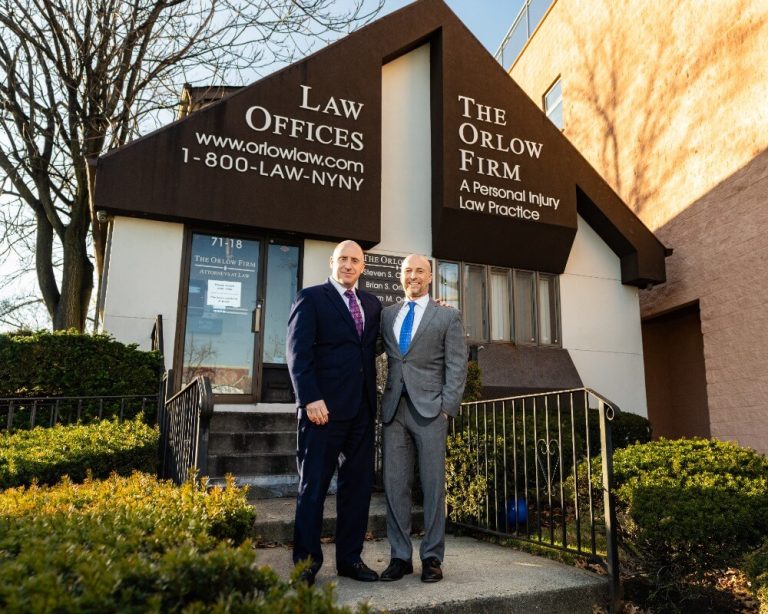
- Listen to your story carefully and respectfully
- Explain your legal rights in a way that’s easy to understand
- Discuss possible legal options , including whether a pattern or practice claim may apply
- Answer any questions you may have about your next steps
The Following People Contributed to This Page
Written byParalegal & Office ManagerB.A.Sc., Political Science & Government, John Jay College of Criminal Justice (CUNY), 22+ years at The Orlow Firm, Bilingual: English and Spanish


