

Updated: December 18, 2025 · 25 min read
Why You Shouldn’t Speak to Insurance Adjusters Without Legal Advice
Quick Answer: Speaking to insurance adjusters without legal advice can lead to unintentional statements that hurt your claim. Adjusters work for the insurance company and may try to minimize your compensation. Getting legal advice helps protect your rights and ensures you don’t agree to a low settlement.What Does an Insurance Adjuster Do After an Accident in NYC?
After an accident in New York City, you may be contacted by an insurance adjuster. Understanding what an insurance adjuster does after an accident in NYC is important, especially when considering why you shouldn’t speak to insurance adjusters without legal advice. Insurance adjusters work for the insurance company, not for you. Their main job is to investigate the accident and decide how much the insurance company should pay for your claim. They gather information to protect the insurance company’s interests, which may not always align with yours. Here are some common steps an insurance adjuster takes after an accident in NYC:- Contacting You or Witnesses: The adjuster may call or visit you to get details about the accident. They might also talk to witnesses or other involved parties.
- Reviewing Police and Medical Reports: They will obtain police reports and medical records to understand the accident and your injuries.
- Inspecting Damages: Adjusters often assess the damage to vehicles or property, sometimes by visiting the scene or reviewing photos.
- Evaluating Liability: They analyze who was at fault based on the evidence. In New York, fault can affect how claims are handled, even with the no-fault insurance system.
- Requesting Statements: Adjusters may ask you to provide a recorded or written statement about the accident. These statements can be used later to support or limit your claim.
- Calculating Claim Value: They estimate how much the insurance company should pay for your medical bills, lost wages, property damage, and other costs.
- Negotiating Settlements: The adjuster may offer a settlement amount to resolve your claim. Their goal is often to minimize the payout.
Why Speaking to Insurance Adjusters Without Legal Advice Can Be Risky
Speaking to insurance adjusters without first getting legal advice can be risky for several reasons. Insurance adjusters work for the insurance company, and their main goal is to minimize the amount the company pays out on a claim. This means that what you say to them can affect the value of your claim, sometimes without you realizing it. Here are some key risks of speaking to insurance adjusters without legal advice in New York City:- Statements can be used against you: Anything you say to an adjuster can be recorded and used to reduce or deny your claim. Even innocent or incomplete answers might be twisted to suggest your injuries are not serious or that you are partly at fault.
- Pressure to settle quickly: Adjusters often try to get you to accept a quick settlement. Without legal guidance, you might accept less money than you deserve before fully understanding the extent of your injuries or damages.
- Misunderstanding your rights: Insurance policies and New York laws can be complicated. Without a lawyer, you may not know your rights or the full compensation you are entitled to under NYC and New York State laws.
- Overlooking serious injuries: Some injuries may take time to show symptoms. Early statements to adjusters might not reflect the full impact of your accident, which can hurt your claim later.
- Confusing legal terms: Adjusters may use legal or insurance language that is hard to understand. Without advice, you could agree to terms or make statements that limit your ability to recover damages.
- Understand what questions you should or should not answer
- Learn how to protect your rights under New York law
- Know when and how to document your injuries and damages properly
- Ensure any settlement offers are fair and cover all your losses
How Insurance Companies Use Your Statements Against You
When you speak to insurance adjusters after an accident, everything you say can be recorded and used against you. Insurance companies carefully analyze your statements to find reasons to reduce or deny your claim. They may try to catch you in small contradictions or misunderstandings to argue that your injuries are not as serious as you claim. Here are some common ways insurance companies use your statements against you:- Minimizing Your Injuries: If you say your pain is mild or improving, adjusters may argue that your injuries are not severe enough to deserve full compensation.
- Blaming You for the Accident: Insurance representatives may look for any admission that could suggest you were partly at fault. Even small comments about your actions can be used to reduce the amount they pay.
- Disputing Medical Treatment: If you mention delays in seeking treatment or missing appointments, adjusters might claim your injuries are not serious or that you are exaggerating.
- Using Inconsistent Statements: If your description of the accident or your injuries changes slightly, insurance companies may say you are unreliable or dishonest.
- Limiting Compensation for Pain and Suffering: Adjusters may try to get you to downplay your emotional or physical pain, which can reduce your claim for non-economic damages.
Common Tactics Insurance Adjusters Use to Limit Your Claim
Insurance adjusters often use specific tactics to reduce the amount they pay on injury claims. Their goal is to protect the insurance company’s money, which means they may try to limit your compensation even if you deserve more. Understanding these common tactics can help you avoid mistakes and protect your rights after an accident in New York City.- Asking for Recorded Statements: Adjusters may ask you to give a recorded statement about the accident. They can use your words later to find inconsistencies or suggest you are partly at fault. Even small mistakes or unclear answers can be used against you.
- Minimizing Your Injuries: Adjusters often downplay how serious your injuries are. They might claim your pain is not related to the accident or say your treatment is unnecessary or too expensive. This tactic aims to reduce the amount they have to pay for medical bills and damages.
- Offering Quick Settlements: Insurance companies may offer you a fast settlement soon after the accident. While this can seem helpful, it often means the offer is lower than what you might deserve once all medical costs and long-term effects are clear. Accepting too soon can limit your ability to get more compensation later.
- Questioning Your Credibility: Adjusters may try to portray you as dishonest or exaggerating your injuries. They might look for any reason to doubt your story, such as gaps in medical treatment or social media posts that don’t match your claim.
- Blaming You for the Accident: Even if the other driver was clearly at fault, adjusters might suggest you share some responsibility. This tactic can reduce the amount of money you receive or delay the claim process.
- Delaying the Claim: Sometimes, adjusters stall the claim to frustrate you. They might delay responses or request excessive paperwork, hoping you will give up or accept a lower offer.
The Importance of Protecting Your Rights Before Talking to Adjusters
Protecting your rights before speaking to an insurance adjuster is very important. Insurance adjusters work for the insurance company, and their main goal is to settle your claim for as little money as possible. Without proper legal advice, you might unknowingly say something that can hurt your case or reduce the amount of compensation you might receive. Here are some key reasons why protecting your rights is crucial before talking to insurance adjusters in New York City:- Your statements can be used against you. Anything you say to an insurance adjuster can be recorded and used to question your injury or the severity of your claim. Even a simple phrase like “I’m feeling better” could be taken out of context to reduce your claim.
- Adjusters may pressure you to settle quickly. Insurance companies often want to close claims fast. They may offer a low settlement early on, hoping you accept it before knowing the full extent of your injuries or losses.
- New York’s no-fault insurance rules can be complicated. In NYC, your own insurance covers many medical expenses regardless of fault, but there are strict rules about when you can sue for additional damages. Talking to an adjuster without understanding these rules might lead to mistakes that limit your legal options.
- Legal advice helps you understand your rights. A lawyer can explain what information you should share and what to avoid. This guidance helps protect your claim and ensures you do not waive important rights by accident.
- Protecting evidence and documentation is essential. Before giving any detailed statements, it’s important to gather medical records, police reports, and other evidence. Legal advice can help you organize this information and present your claim correctly.
How New York City Laws Affect Your Interaction with Insurance Adjusters
New York City laws shape how you interact with insurance adjusters after an accident. Understanding these rules is important to protect your rights and avoid mistakes that could hurt your claim. New York Is a No-Fault Insurance State New York follows a no-fault insurance system for car accidents. This means your own insurance company pays for your medical bills and lost wages up to a set amount, no matter who caused the accident. Because of this, insurance adjusters often focus on limiting payments under your no-fault coverage before considering fault. Speaking to them without knowing the law can lead to misunderstandings or agreeing to less than you deserve. Serious Injury Threshold Limits Lawsuits Under New York law, you can only sue the other driver for pain and suffering if your injuries meet the "serious injury" threshold. This includes things like fractures, permanent disfigurement, or significant loss of use of a body part. Insurance adjusters know this and may try to get you to downplay your injuries in statements. Anything you say can be used against you to argue your injuries are not serious enough for a lawsuit. Strict Deadlines and Notice Requirements New York law requires you to notify your insurance company quickly—usually within 30 days—to file a no-fault claim. Missing deadlines can lead to denied benefits. Insurance adjusters may pressure you to give recorded statements early. Without legal advice, you might accidentally say something that delays or reduces your claim. Insurance Adjusters Are Not Neutral While adjusters may seem helpful, they work for the insurance company, which aims to pay as little as possible. New York laws allow them to investigate claims, but they can use tactics like asking confusing questions or requesting recorded statements. Knowing your rights under New York law helps you avoid traps that reduce your compensation. Special Rules for New York City Residents- Pedestrian and Bicycle Accidents: NYC has many pedestrians and cyclists. Special laws protect these groups, but insurance adjusters may try to shift blame onto you. Legal advice can help you understand how local traffic laws affect your claim.
- Property Damage and Personal Injury Claims: New York City’s dense traffic and unique road rules make accident claims more complex. Adjusters may use local laws to limit payouts, so knowing the details is crucial.
When Should You Contact a Lawyer Before Speaking to an Insurance Adjuster?
It is important to contact a lawyer before speaking to an insurance adjuster in several key situations. In New York City, the insurance process can be complicated, and having legal guidance early on can protect your rights and help you avoid mistakes. You should consider contacting a lawyer before talking to an insurance adjuster if:- Your injuries are serious or require ongoing medical care. If you have fractures, surgeries, or long-term treatment, an attorney can help ensure your claim fully reflects your needs.
- The accident involved complex circumstances. For example, if multiple vehicles were involved, or if you were a pedestrian, cyclist, or motorcycle rider, legal advice can clarify your rights.
- The insurance company contacts you first. Insurance adjusters may try to get a quick statement or settlement. Consulting a lawyer first helps you avoid saying something that could hurt your claim.
- You are unsure about the claims process or your insurance coverage. New York’s no-fault insurance law can be confusing. A lawyer can explain how your medical bills and lost wages are covered and when you can pursue additional damages.
- The insurance company denies or delays your claim. If your no-fault benefits are denied or payments are slow, legal help can assist in responding properly and protecting your benefits.
- You want to understand your options for filing a lawsuit. New York law limits lawsuits to cases involving “serious injury.” A lawyer can evaluate your case to see if you meet this threshold and explain the next steps.
- You feel pressured to accept a quick settlement offer. Early offers from insurance companies often do not cover all your losses. Legal advice can help you get a fair amount.
What to Do If an Insurance Adjuster Contacts You First
If an insurance adjuster contacts you first after an accident in New York City, it is important to handle the situation carefully. Insurance adjusters work for the insurance company, and their main goal is to protect the company’s interests. This means they may try to get you to say things that limit your claim or reduce the amount you can recover. Here are some steps you should take if an insurance adjuster reaches out to you first:- Stay calm and polite. You do not have to give a detailed statement right away. It is okay to be courteous but cautious.
- Do not admit fault or blame anyone. Even if you think the accident was your fault, avoid saying so. Admissions can be used against you later.
- Limit your answers. Provide only basic information such as your name, contact details, and the date of the accident. Avoid discussing the details of what happened or your injuries.
- Do not sign any documents or agree to settlements immediately. Insurance companies may ask you to sign forms that can reduce your rights. Always review documents carefully and get legal advice before signing.
- Inform the adjuster that you will speak with a lawyer before giving any detailed statements. This can protect your rights and help you avoid mistakes.
- Contact a personal injury attorney before continuing any conversation. An attorney familiar with New York City laws can guide you on what to say and what to avoid when dealing with insurance companies.
How Legal Advice Can Help Maximize Your Injury Claim in NYC
Getting legal advice after an injury in New York City can make a big difference in how much compensation you receive. Insurance adjusters work for the insurance company, and their goal is often to pay out as little as possible. A lawyer can help protect your interests and make sure you don’t accept less than you deserve. Here are some ways legal advice can help maximize your injury claim in NYC:- Understanding Your Rights: A lawyer can explain the complex laws and insurance rules in New York. This includes how the no-fault insurance system works and when you can pursue additional damages beyond your own insurance benefits.
- Reviewing Insurance Offers: Insurance adjusters may offer quick settlements that seem fair but don’t cover long-term medical costs or lost wages. A lawyer can review these offers and advise if they are too low.
- Gathering Evidence: Legal advice helps you collect important evidence such as medical records, accident reports, and witness statements. This strengthens your claim and supports the true value of your injuries.
- Negotiating with Insurance Companies: Lawyers know the tactics insurance companies use to limit claims. They can negotiate firmly on your behalf to increase the settlement amount.
- Meeting Deadlines: New York has strict time limits for filing claims and lawsuits. A lawyer ensures you meet all deadlines so you don’t lose your right to compensation.
- Evaluating Serious Injury Thresholds: Under New York law, you must meet certain “serious injury” criteria to sue for pain and suffering. Legal advice can help determine if your injuries qualify and explain your options.
- Handling Complex Cases: If your case involves multiple parties, insurance disputes, or serious injuries, a lawyer can manage these complexities and coordinate with medical experts and other professionals.
Steps to Take Instead of Speaking Directly to Insurance Adjusters
After an accident in New York City, it is important to protect your rights by taking certain steps before speaking to insurance adjusters. Here are practical actions you should follow instead of talking directly to them:- Stay calm and do not rush to give statements. Insurance adjusters may contact you quickly after an accident. It is okay to politely decline to speak until you have legal advice.
- Document everything. Write down details about the accident, your injuries, and any conversations with insurance representatives. Take photos of the accident scene and your injuries if possible.
- Seek medical treatment immediately. Even if you feel okay, some injuries show up later. Getting prompt medical care also creates a record that can support your claim.
- Notify your own insurance company. Report the accident to your insurer as soon as possible. Be factual but avoid giving detailed statements about fault or injury severity without legal guidance.
- Keep all paperwork organized. Save medical bills, repair estimates, police reports, and any letters or emails from insurance companies. This helps track your claim and protects your rights.
- Consult with a personal injury lawyer before speaking to adjusters. A lawyer familiar with New York City laws can review your case and advise how to respond. They can communicate with the insurance company on your behalf to protect your interests.
- Do not sign any settlement offers without legal advice. Insurance companies often offer quick settlements that may be less than what you deserve. A lawyer can help evaluate offers and negotiate better results.
- Prepare to give a recorded statement only if advised by your attorney. Recorded statements can be used to limit your claim. Your lawyer can guide you on if and when to provide one.
What to Expect During an Insurance Claim Process in New York
When you file an insurance claim after an accident in New York, the process follows specific steps shaped by the state's no-fault insurance laws. Understanding what to expect can help you protect your rights and avoid common pitfalls, especially when dealing with insurance adjusters. 1. Reporting the Accident and Filing a Claim Soon after the accident, you must notify your own insurance company. In New York, you generally have 30 days to file a no-fault claim. This claim covers your medical expenses, lost wages, and other related costs, regardless of who caused the accident. Prompt reporting helps avoid delays or denial of benefits. 2. Insurance Adjuster Contact After you file your claim, an insurance adjuster will likely reach out to gather information. Their role is to assess your claim and limit the insurance company’s payout. It’s important to be cautious when speaking with adjusters, as anything you say can be used to reduce your benefits or deny your claim. 3. Medical Records and Documentation Your insurance company will request medical records and bills to verify your injuries and expenses. Keeping detailed records of your treatment, work absences, and any related costs is essential. In New York, no-fault insurance covers reasonable and necessary medical care up to $50,000 per person, but you must prove your expenses. 4. Evaluation of Injury Severity New York’s no-fault system limits lawsuits for pain and suffering unless your injuries meet a “serious injury” threshold. Examples include fractures, significant disfigurement, or permanent loss of use of a body part or function. If your injuries qualify, you may pursue a personal injury lawsuit in addition to your no-fault claim. 5. Potential Claim Denial or Disputes Insurance companies may dispute claims by questioning the injury’s cause, severity, or treatment costs. They might delay payments or deny claims based on technicalities. Understanding your policy and legal rights is important to challenge unfair denials. 6. Settlement Offers At some point, the insurance company may offer a settlement to close your claim. These offers are often lower than what you might deserve. Without legal advice, accepting a quick settlement can mean missing out on full compensation for your injuries and losses. 7. Legal Action if Necessary If your injuries are serious or the insurance company refuses to pay fairly, you may need to file a lawsuit. New York law allows you to sue the at-fault driver if your injuries meet the serious injury standard. Legal representation can help you navigate this complex step. Throughout the claim process, it is important to keep detailed notes, respond promptly to requests, and consult a lawyer before speaking to insurance adjusters or accepting any offers. The process can be confusing and stressful, especially in New York City where accidents and claims are common. Having legal advice ensures your rights are protected and that you understand each step clearly.How The Orlow Firm Supports Clients Facing Insurance Adjuster Questions
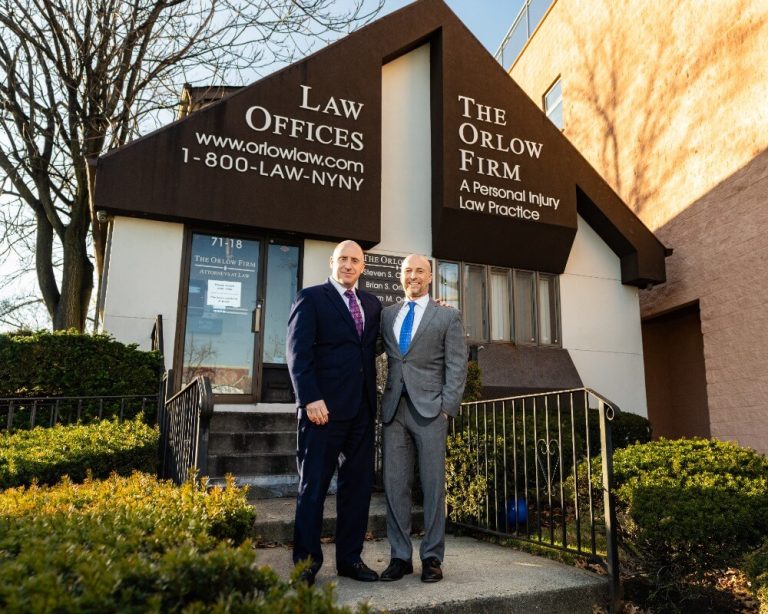
- Reviewing all communications from insurance adjusters to ensure clients do not inadvertently provide information that could harm their claim.
- Preparing clients on how to respond if contacted by an insurance adjuster, including advising on what information is safe to share and what should be withheld.
- Handling communications directly with insurance companies on behalf of clients to protect their interests and avoid missteps.
- Explaining New York-specific laws that affect insurance claims and how those laws impact interactions with adjusters.
- Investigating the accident and gathering evidence to support the client’s claim, so that negotiations with insurance companies are informed and effective.
Sources & Legal References
- New York Insurance Law § 5102 — Definitions including "basic economic loss" ($50,000 coverage) and "serious injury" threshold categories
- New York Insurance Law § 5106 — Fair claims settlement; 30-day payment or denial requirement
- 11 NYCRR 65-1.1 (Regulation 68) — 30-day written notice requirement for no-fault claims
- NY Department of Financial Services — No-Fault Insurance FAQs
- NY DFS — Filing Claims Under Your Own Policy
The Following People Contributed to This Page
Written byParalegal & Office ManagerB.A.Sc., Political Science & Government, John Jay College of Criminal Justice (CUNY), 22+ years at The Orlow Firm, Bilingual: English and Spanish


