

Updated: October 1, 2025 · 22 min read
What Is the Wrongful Death Statute in New York (EPTL § 5-4.1)?
Quick Answer: In New York, EPTL § 5-4.1 outlines the framework for wrongful death actions. It allows a personal representative of a deceased person to sue a party who would have been liable to the decedent for a wrongful act, neglect, or default had they lived. This means the death must have resulted from circumstances where the deceased could have filed a personal injury claim had they survived.Here are the key elements of EPTL § 5-4.1:
- Wrongful Act, Neglect, or Default: The statute requires that the death of the individual must have been caused by another party's wrongful act, neglect, or default. This means the circumstances leading to the death must constitute a tort (e.g., negligence, recklessness, intentional misconduct) for which the deceased person could have filed a personal injury lawsuit had they survived the incident.
- Personal Representative: The lawsuit under EPTL § 5-4.1 cannot be brought directly by the surviving family members. Instead, it must be commenced by the personal representative of the deceased's estate. This individual is typically named as an executor in the deceased's will or appointed as an administrator by a New York Surrogate's Court.
- Statute of Limitations: Generally, a wrongful death lawsuit under EPTL § 5-4.1 must be commenced within two years of the decedent's date of death. This strict time limit is known as the statute of limitations. It is crucial to note that for deaths resulting from the September 11th attacks, a specific amendment extended this time limit to two years and six months.
- Damages: The damages awarded in a New York wrongful death action are specifically intended to compensate the deceased's surviving family members for their pecuniary losses (financial losses) resulting from the death. This can include loss of financial support, loss of household services, and loss of parental guidance, instruction, and training, but notably, it does not include compensation for grief or emotional distress suffered by the family.
Who Can File a Wrongful Death Claim Under EPTL § 5-4.1 in NYC?
Under New York law, not just anyone can file a wrongful death claim. According to the Wrongful Death Statute (EPTL § 5-4.1), only the personal representative of the deceased person’s estate has the legal right to bring the claim. This is an important distinction. Even if someone was very close to the person who died, they cannot file a wrongful death lawsuit unless they are the official representative of the estate. The personal representative is typically named in the deceased person’s will. If there is no will, the court will appoint someone — usually a close family member — to serve in that role. This person is sometimes called an “executor” if named in a will, or an “administrator” if appointed by the court. While only the personal representative can file the claim, the lawsuit is made on behalf of the deceased person’s legal beneficiaries. These are usually the surviving family members who suffered losses because of the death. They may include:- Spouse
- Children (both minor and adult children)
- Parents (if the deceased had no spouse or children)
- Siblings or more distant relatives (in rare cases, if no closer relatives exist)
What Types of Damages Can Be Recovered in a New York Wrongful Death Lawsuit?
Under New York’s wrongful death statute, known as EPTL § 5-4.1, the family of a person who dies due to someone else's actions may be able to recover money damages. These damages are meant to compensate for the losses that result from the death. However, New York limits what types of damages can be claimed to those that are measurable and based on actual losses. In a New York wrongful death lawsuit, you may be able to recover the following types of damages:- Funeral and burial expenses : Costs related to the funeral service and burial or cremation of the deceased.
- Medical expenses : Any medical bills related to treatment the person received before they died from the injury or illness caused by someone else.
- Loss of income and benefits : This includes the money the deceased would have earned if they had lived, including future wages, health insurance, pension plans, and other job-related benefits.
- Loss of services : If the person who passed away provided valuable services like childcare, cleaning, or home repairs, the replacement value of those services can be claimed.
- Loss of parental guidance : Children of the deceased may be able to recover damages for the guidance, care, and nurturing they would have received from their parent.
- Loss of inheritance : If it can be shown that the person would have continued to build financial assets, their surviving family may claim the expected amount of inheritance they lost.
- Conscious pain and suffering of the deceased (separate survival action) : If the person suffered physically or emotionally before passing, compensation may be available through a separate legal claim called a "survival action" under EPTL § 11-3.2. This is technically not part of the wrongful death claim itself, but is often pursued alongside it. Damages from a survival action go to the estate, not directly to distributees.
How Long Do You Have to File a Wrongful Death Claim in NYC?
In New York City, wrongful death claims are governed by the New York Estates, Powers and Trusts Law, Section 5-4.1 (EPTL § 5-4.1). This law sets a strict time limit for filing a lawsuit. This time limit is called the statute of limitations. Under EPTL § 5-4.1, you usually have two years from the date of death to file a wrongful death claim in court. If you miss this deadline, you may lose the right to recover damages. It’s important to understand a few key things about this deadline:- The clock starts on the date of death: Not the date of the accident, but the actual date the person passed away.
- Only the personal representative can file: Even if you're a close family member, you must be appointed by the court as the personal representative of the estate to bring the claim.
- Criminal cases don’t stop the clock: If the death is related to a criminal case, like a homicide, the criminal proceedings do not pause the two-year deadline for the wrongful death claim. However, there may be a slight extension in some cases involving criminal charges. This can be complex and may require legal guidance.
- Claims against New York City or government agencies: If you're making a claim against a city agency (like the NYPD or MTA), you must file a Notice of Claim within 90 days of the appointment of the estate representative under General Municipal Law § 50-e. The wrongful death lawsuit itself must still be filed within two years of the date of death under EPTL § 5-4.1. Note that for personal injury claims (non-death cases), the lawsuit deadline against municipalities is shorter — just one year and 90 days under GML § 50-i.
- Minors as beneficiaries: If the person who could benefit from the wrongful death claim is a minor (under 18), this doesn’t change the two-year limit to file the claim itself, since the claim must still be brought by an adult representative of the estate. But it may impact how funds are distributed later.
What Must Be Proven to Win a Wrongful Death Case in New York?
To win a wrongful death case in New York under EPTL § 5-4.1, the person filing the lawsuit must prove certain key facts. These facts help show that a wrongful death occurred and that the family deserves compensation. In legal terms, this is called “proving liability.” Here are the main things that need to be proven:- A death occurred : This may seem obvious, but the first step is proving that a person has died.
- The death was caused by someone else’s wrongful act, neglect, or failure to act : This means showing that the death happened because another person or company acted carelessly or did something wrong. For example, if someone died in a car crash caused by a drunk driver, that could be considered a wrongful act.
- The person who died could have filed a personal injury claim if they had lived : In other words, if the person had survived, their injuries would have been serious enough for them to sue for damages. This is an important part of a wrongful death case because the law treats the death as if the injured person is continuing the legal claim through their estate.
- There are surviving family members who have suffered a loss : These may include a spouse, children, or parents. In New York, only the personal representative of the estate can file the claim, but damages are awarded to the surviving family members.
- The family has suffered damages because of the death : This includes the monetary value of things like lost income, medical bills, funeral costs, and the loss of household support. Emotional pain and suffering of the family are generally not covered in New York, but loss of guidance or support from the person who died can be considered.
How Is a Wrongful Death Settlement Divided Among Family Members in NYC?
When a loved one dies due to someone else’s negligence in New York City, their family may be able to file a wrongful death claim under New York Estates, Powers and Trusts Law (EPTL) § 5-4.1. If the case results in a settlement or jury award, the question then becomes: how is that money divided among surviving family members? Under New York law, wrongful death settlements are not automatically split equally. The distribution depends on the individual facts of the case, including who the surviving family members are and what financial and emotional losses they suffered. The money usually goes to the people who could inherit from the deceased under New York’s estate laws, even if there is a will. However, this is not always simple. The process involves many steps and must follow rules set by the Surrogate’s Court, which handles estate matters. Here are the key things to know about how wrongful death settlements are divided in NYC:- The personal representative of the deceased person’s estate must file the claim. This may be a close family member or someone named in the will. They are responsible for collecting the settlement and ensuring it is divided properly.
- The court must approve the settlement . Before the money is split, the Surrogate’s Court reviews the agreement to make sure it is fair to all interested parties.
- The money is distributed based on financial loss . Family members who depended on the deceased’s income may receive more. For example, a spouse and young children might receive larger shares than adult children who were financially independent.
- Degree of dependence : How much each family member relied on the deceased for money, care, or support.
- Relationship to the deceased : Spouses and children are usually given the highest consideration. Other relatives, like parents or siblings, may also qualify in some situations.
- Age and needs of surviving children : Younger children often receive more because they have lost more years of financial support.
Common Causes of Wrongful Death Claims Under EPTL § 5-4.1
Under New York law, a wrongful death claim can be filed when someone dies because of another person's careless or intentional actions. The statute that governs this is EPTL § 5-4.1. In New York City, these types of claims often happen in everyday situations where safety rules are broken or ignored. Below are some of the most common causes of wrongful death claims in NYC.- Motor Vehicle Accidents: Car, truck, and motorcycle crashes are a leading cause of wrongful death in New York. This includes crashes caused by speeding, distracted driving, drunk driving, or failure to yield.
- Pedestrian and Bicycle Accidents: In NYC, pedestrians and cyclists are especially vulnerable. Fatal accidents can happen when drivers fail to stop at crosswalks or bike lanes are not respected.
- Construction Accidents: Construction sites in the city are dangerous places. Falls, equipment failures, or lack of safety gear can lead to fatal injuries. Contractors or property owners may be held responsible.
- Medical Malpractice: If a doctor or other medical professional makes a serious mistake—like misdiagnosing an illness, giving the wrong medication, or failing to act quickly—it can lead to death. These cases may lead to wrongful death claims.
- Nursing Home Abuse or Neglect: When an elderly person in a care facility dies from neglect, abuse, or lack of medical attention, the facility may be held liable under EPTL § 5-4.1.
- Workplace Accidents: Fatal work-related injuries may include falls, being struck by an object, or exposure to toxic substances. Employers or third parties may be responsible in some cases.
- Criminal Acts: A wrongful death claim can also result from intentional actions, such as assault or other criminal behavior. These cases may happen alongside a criminal trial but use a different legal process.
- Defective Products: If a person dies because of a dangerous or faulty product—like a car part, drug, or appliance—the manufacturer or seller may be held responsible.
- Premises Liability: Property owners have a duty to keep their places safe. If someone dies because of unsafe conditions—such as a fall in a poorly lit stairwell or being struck by falling debris—a wrongful death claim may follow.
How Does EPTL § 5-4.1 Differ from Other Personal Injury Claims in New York?
Wrongful death cases under New York’s EPTL § 5-4.1 are different from personal injury claims in several key ways. These differences affect who can file the case, what damages can be claimed, and what proof is needed. Here’s how wrongful death cases compare to other personal injury claims in New York:- Who Can File the Claim: In a wrongful death case, only the personal representative of the deceased person’s estate can file the lawsuit. This is often named in the will or appointed by the court. In a regular personal injury claim, the injured person files the claim themselves.
- On Behalf of Whom: A wrongful death claim is filed on behalf of the surviving family members or estate. Personal injury claims are filed for the direct benefit of the person who was hurt.
- Type of Harm: Wrongful death claims are filed when someone dies because of another person’s wrongful act or neglect. Personal injury claims are for non-fatal injuries such as broken bones, burns, or head trauma.
- Damages (Money You Can Recover): In a wrongful death case, the law allows the family to recover certain economic losses. These may include funeral costs, lost income the deceased would have earned, and loss of support for children. Emotional pain to family members is generally not covered under current New York law. In personal injury cases, the injured person can seek both economic damages (like medical bills) and non-economic damages (like pain and suffering).
- Proof Required: Both wrongful death and personal injury cases require proof that another party was negligent, reckless, or intentionally caused harm. However, in wrongful death cases, it must also be shown that the person died as a direct result of those actions.
Frequently Asked Questions About the Wrongful Death Statute in NYC
- What is EPTL § 5-4.1? EPTL § 5-4.1 is New York’s wrongful death statute. It allows the family of someone who died due to another party’s wrongdoing to file a claim. This law focuses on helping surviving family members recover financial losses caused by the death.
- Who can file a wrongful death claim in New York City? Only the personal representative of the deceased’s estate can file a wrongful death claim under EPTL § 5-4.1. This person is usually named in the deceased’s will. If there is no will, the court may appoint someone, often a close relative like a spouse, parent, or adult child.
- What types of damages can be claimed? You can seek money for financial losses caused by the death. This includes lost income, funeral costs, medical expenses from the injury, and the value of support and services the deceased would have provided.
- Can family members get money for emotional pain? No. In New York, wrongful death claims do not cover emotional pain or grief suffered by the family. However, a separate legal claim known as a "survival action" (under EPTL § 11-3.2) can seek compensation for the conscious pain and suffering experienced by the deceased before dying. This is a distinct cause of action from the wrongful death claim and any recovery goes to the estate.
- How is the settlement divided among survivors? Once a settlement is reached, the court uses New York's estate laws to decide how the money is shared. Typically, a spouse and children are first in line. If there are no immediate family members, the law has a set order for who may inherit.
- How long do I have to file a wrongful death claim? In general, the deadline to file a wrongful death claim in New York is two years from the date of death. Some exceptions may apply, especially if a criminal case is involved or the case involves a government agency.
- What kinds of incidents lead to wrongful death claims? Common causes in NYC include car accidents, medical mistakes, construction site accidents, and defective products. Any situation where someone’s carelessness causes another person's death may qualify.
- How is a wrongful death claim different from a personal injury claim? A wrongful death claim happens after someone has died due to another’s actions, while a personal injury claim is filed by someone who was hurt but survived. The person harmed cannot file in a wrongful death case—only their estate can.
- What if the deceased had no will? Even without a will, the court can appoint a representative to manage the claim. Usually, this is the closest family member, like a spouse, parent, or child.
- Do I need an attorney to file a wrongful death claim? Wrongful death cases can be legally complex, especially in New York City. An attorney can help guide you through the legal steps, gather evidence, and deal with insurance companies. To speak with a compassionate and experienced wrongful death attorney, call The Orlow Firm at (646) 647-3398 for a free consultation.
Sources
- EPTL § 5-4.1 — Wrongful Death Statute (NY Senate)
- EPTL § 5-4.3 — Measure of Damages in Wrongful Death (NY Senate)
- EPTL § 11-3.2 — Survival of Actions (NY Senate)
- General Municipal Law § 50-e — Notice of Claim (NY Senate)
- General Municipal Law § 50-i — Actions Against Government (NY Senate)
- EPTL § 5-4.1 — Full Statute Text (FindLaw)
Contact The Orlow Firm for a Free Consultation About Your Wrongful Death Case
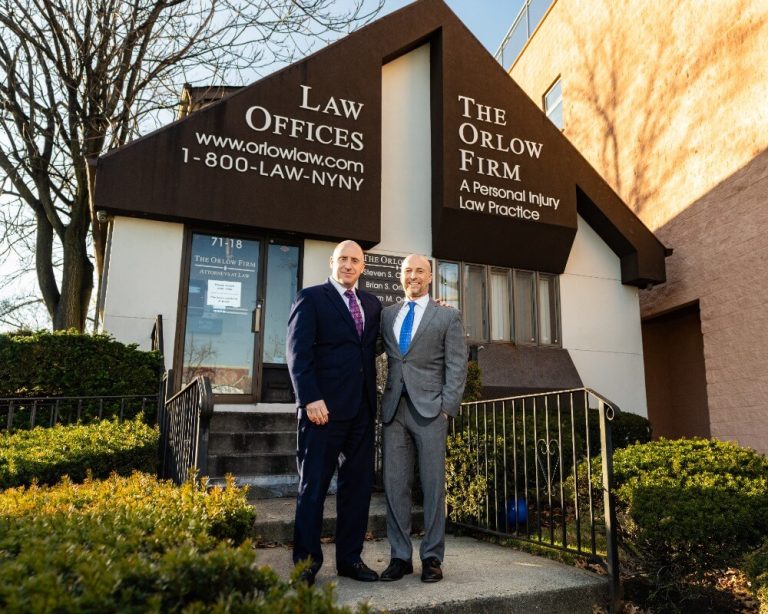
- Personalized attention: Every case is unique. We take the time to listen and explain how the wrongful death statute applies to your situation.
- Clear legal guidance: We break down the legal process in plain language, so you don’t feel overwhelmed.
- Help meeting deadlines: New York has a strict time limit — often just two years from the date of death — to file a wrongful death claim. We’ll help protect your ability to seek justice.
- Support during a difficult time: We understand what families are going through after a sudden loss. We’re here to answer your questions and walk you through each step.
The Following People Contributed to This Page
Written byParalegal & Office ManagerB.A.Sc., Political Science & Government, John Jay College of Criminal Justice (CUNY), 22+ years at The Orlow Firm, Bilingual: English and Spanish


