

Updated: November 19, 2025 · 21 min read
What Does "Loss of Nurture and Care" Mean in New York Wrongful Death Cases?
Quick Answer: In New York wrongful death cases, "loss of nurture and care" refers to the pecuniary (monetary) value of the guidance, instruction, and training a child would have received from a deceased parent. It's a specific type of economic loss that can be claimed by the child's beneficiaries, in addition to other financial losses like lost support.Here's a more detailed explanation of loss of nurture and care:
- Pecuniary Injuries: New York law strictly limits recovery in wrongful death cases to "pecuniary injuries," which are defined as economic or financial losses. This means damages are awarded for quantifiable financial harm, not for emotional suffering or grief.
- Loss of Support: This component of pecuniary injury covers the financial contributions the deceased parent would have provided to their family, including income, benefits, and monetary support.
- Loss of Guidance, Instruction, and Training: This is the core of "loss of nurture and care." It focuses on the monetary value of the educational, moral, and vocational guidance, instruction, and training a child would have received from the deceased parent had they lived. This reflects the investment a parent makes in a child's development and future.
- Examples: Quantifying loss of nurture and care can involve estimating the cost of tutoring, music lessons, athletic coaching, vocational guidance, or other educational and developmental activities the deceased parent would have provided or facilitated. It also considers the value of their advice and active involvement in a child's character development and life choices.
- Not Grief or Emotional Distress: It is a critical distinction that "loss of nurture and care" does not include compensation for the emotional pain, suffering, grief, or bereavement experienced by the surviving family members due to the death of the parent. New York law does not currently allow for the recovery of non-economic damages such as grief or emotional distress in wrongful death cases.
Who Can Claim Loss of Nurture and Care in New York?
In New York, not just anyone can claim loss of nurture and care after a wrongful death. This type of claim is usually made by close family members who relied on the person who died for emotional support, guidance, and care—especially minor children. Under New York law, the right to file a wrongful death claim, which includes loss of nurture and care, generally belongs to the personal representative of the deceased person’s estate. This is often the executor named in the will, or someone appointed by the court if there is no will. That representative files the claim on behalf of the surviving family members who have suffered losses. Those who may benefit from a loss of nurture and care claim include:- Minor children of the deceased : They are usually the most direct recipients of care, love, and emotional support from a parent. A child who loses a parent may miss out on important life guidance, affection, and parenting.
- Dependent children of any age : In some cases, adult children who are financially or emotionally dependent on the deceased may also be considered.
- Other dependents with a strong relationship : Though more rare, other family members who were under the care of the deceased may also be eligible if they can show they depended on that care and guidance.
When Can You File a Claim for Loss of Nurture and Care in NYC?
In New York City, a claim for loss of nurture and care can be filed as part of a wrongful death case. This type of claim is typically made when a parent or caregiver dies due to someone else’s negligence. The law recognizes that children suffer more than just financial losses — they also lose the guidance, education, and emotional support that a parent provides. You may be able to file this type of claim when:- A parent or legal guardian has died as a result of negligence, such as in a car crash, workplace accident, or medical malpractice.
- The death causes a child to lose ongoing support such as moral guidance, emotional care, and life lessons that the parent would have provided.
- The claim is part of a wrongful death lawsuit brought by the personal representative of the deceased's estate.
- The age of the child at the time of the parent’s death
- The nature of the relationship between the parent and child
- The parent’s role in raising and supporting the child
How Is Loss of Nurture and Care Calculated Under New York Law?
In New York wrongful death cases, loss of nurture and care refers to the emotional and educational support a parent provides to their child. This includes things like guiding a child through life, teaching values, offering love, and helping with daily needs. When a parent dies because of someone else's negligence, the surviving child may be able to claim this loss as part of a wrongful death lawsuit. The calculation of this loss is not straightforward. Although classified as a pecuniary (economic) loss, it involves intangible aspects of parenting. New York courts look at several factors to decide a fair amount of compensation.- The age of the child: Younger children tend to be awarded higher damages for loss of nurture and care because they have more years ahead without their parent’s guidance.
- The role of the deceased parent: Was the parent active in the child's life? Did they provide love, support, and mentorship? Courts look at the parent’s level of involvement.
- Future guidance lost: This includes help with school, life decisions, and emotional support the child will now miss.
- The parent’s background: Education, job, and lifestyle can impact the estimate. These help the court understand the kind of guidance the child would have received.
What Types of Damages Are Included in a Loss of Nurture and Care Claim?
In a wrongful death case, a loss of nurture and care claim is meant to cover the emotional and developmental support a child would have received from a parent who passed away. These damages are not about financial income, but instead focus on the personal guidance, love, and parenting the child has lost. In New York, these claims can be made as part of a wrongful death lawsuit. The types of damages included in a loss of nurture and care claim generally fall into a few main areas:- Parental Guidance: This includes the teaching and advice a child would have gotten from the parent, such as help with schoolwork or life decisions.
- Emotional Support: This refers to the comfort, affection, and emotional care that a parent provides to a child every day.
- Caretaking Services: This may include daily tasks a parent would typically handle, such as helping with meals, getting ready for school, or managing healthcare needs.
- Loss of Education and Moral Training: Parents often help shape a child’s values and teach them right from wrong. Losing that influence can have long-term effects on the child’s development.
How Does Loss of Nurture and Care Differ from Other Wrongful Death Damages?
Loss of nurture and care is a specific type of damage that can be claimed in a New York wrongful death case. It is different from other wrongful death damages because it focuses on what surviving children lose when a parent dies. While many wrongful death damages cover financial losses, this one deals with emotional and developmental support. Here’s how loss of nurture and care stands apart from other types of wrongful death damages:- Focus on Parenting Support: Loss of nurture and care includes the love, guidance, training, and emotional support a parent would have provided to their child. This goes beyond money and looks at the impact on the child’s growth and future.
- Applies Mainly to Children: This type of damage is most often claimed on behalf of minor children (those under 18). It reflects the unique role a parent plays in a child’s life, including teaching, nurturing, and offering advice.
- Different from Financial Losses: Other damages in a wrongful death case typically include lost income, funeral costs, and medical bills. These are economic damages—the kinds that have a clear dollar amount. Loss of nurture and care, while harder to measure, is still classified as a pecuniary (economic) loss under New York law—courts treat the value of parental guidance and training as a quantifiable economic injury.
- Not Based on Employment: The parent who passed away doesn't have to be working or earning income for this claim to apply. Even a stay-at-home parent provides huge value in raising children, and their loss can deeply affect a child’s well-being.
Why Is Loss of Nurture and Care Important in Cases Involving Minor Children?
When a parent passes away, their children lose more than financial support. They also lose love, care, guidance, and emotional support—things that are especially important for young children. In New York wrongful death cases, this is where a claim for loss of nurture and care becomes critical. It helps to recognize the value of what the child has lost beyond money. Children rely on their parents not only for food and shelter, but also for support in growing up. A parent teaches, encourages, and comforts their child in daily life. This relationship plays a key role in a child’s emotional and mental development. When this is taken away due to a wrongful death, courts in New York may consider that loss as part of the damages. Here’s why loss of nurture and care is especially important in cases involving minor children:- Children need ongoing emotional support: A parent provides affection, guidance, and a sense of security. Losing this can deeply affect a child’s well-being.
- The impact is long-term: A younger child may live many years without the benefit of that parent’s care. The younger the child, the greater the potential loss.
- The parent’s role is unique: Unlike financial support, the care a parent provides isn’t something that can simply be replaced by others. Whether it’s helping with homework or comforting a child after a bad day, those daily moments matter.
- Legal recognition offers some justice: By acknowledging this type of loss, the law tries to offer the child some measure of support through damages that reflect the missing relationship.
What Evidence Is Needed to Prove a Loss of Nurture and Care Claim in NYC?
To prove a claim for loss of nurture and care in New York City, you need to show how a deceased loved one provided emotional support, guidance, and parental care—especially to children. This type of damage is not about money the person earned, but rather the care, love, and day-to-day parenting they gave. Because this is less tangible than lost wages or medical bills, strong and specific evidence is very important. Here are key types of evidence often used in these cases:- Testimony from family members: Statements from children, guardians, or other close family can describe the type of care the deceased offered. This may include things like helping with homework, attending school events, bedtime routines, or teaching life skills.
- School and activity records: These can show regular involvement in a child’s life, such as attending parent-teacher meetings, coaching sports, or volunteering in school programs.
- Photographs and videos: Pictures and home videos showing the deceased interacting with their child can help demonstrate their role as a nurturing and involved parent.
- Written communication: Emails, cards, text messages, or notes between the parent and child may show emotional closeness and regular attention.
- Expert testimony: In some situations, a psychologist or family therapist may be asked to explain the emotional and developmental impact of losing a parent or guardian.
- Parenting schedules or custody agreements: If the parent had primary custody or a formal visitation arrangement, these records help show the time and responsibility they had.
How Long Do You Have to File a Loss of Nurture and Care Claim in New York?
In New York, a claim for loss of nurture and care is part of a wrongful death lawsuit. These claims must be filed within a specific time, also known as the statute of limitations. If you miss this deadline, you may lose the right to seek compensation. Under New York law, the standard time limit to file a wrongful death lawsuit—including claims for loss of nurture and care—is usually two years from the date of death. This applies whether the case involves a car accident, medical malpractice, or another act of negligence that caused a person’s death. Key points about the time limit in New York:- You have two years from the date of the person's death to file a wrongful death claim in most cases.
- The claim must be filed by the personal representative (executor) of the deceased person’s estate. This person brings the claim on behalf of surviving family members, such as children who lost a parent’s care.
- This time limit is strict. Even if you have a strong case, missing the deadline can prevent you from recovering any damages.
- Evidence can fade: Witness memories, documents, and records can become harder to find over time.
- The process can take time: Appointing a personal representative and investigating the case is often the first step and may take weeks or months.
- Legal deadlines may vary: Certain facts in your case could make the deadline shorter or longer. An attorney can help you understand the correct timeline.
Frequently Asked Questions About Loss of Nurture and Care in NYC
Below are answers to some of the most frequently asked questions about loss of nurture and care in New York City wrongful death cases. This information can help you understand what these claims involve and when they may apply to your situation.- What is “loss of nurture and care”? It refers to the emotional and guidance support that a parent gives to their child. In a wrongful death case, this type of loss can be claimed when a child loses a parent who would have raised, guided, and emotionally supported them.
- Who can claim loss of nurture and care in New York? In most cases, minor children can claim this loss after the wrongful death of a parent. The claim is usually made by the personal representative of the parent’s estate on behalf of the child or children.
- Can adult children claim loss of nurture and care? This type of claim is generally intended for minor children. However, in some cases, courts may consider the specific facts of the relationship. Claims from adult children are less common and harder to prove.
- Is loss of nurture and care a financial loss? Under current New York law, loss of nurture and care is classified as a “pecuniary” (economic) loss, even though it involves intangible parental support. The court may assign it a financial value. The court may consider the child’s age, the parent’s role in their life, and other support the parent would have given if they were alive.
- How is this different from loss of income or funeral expenses? Loss of income and funeral costs are examples of direct financial losses. Loss of nurture and care is based on the emotional and developmental support the child has lost, which is harder to measure but still an important part of the case.
- Are these damages easy to prove? They can be difficult to prove without the right evidence and legal help. Usually, proof includes testimony about the parent-child relationship, the child’s needs, and the role the parent played in guiding and supporting the child.
- Do I need a lawyer to file this type of claim? While you can file a claim without a lawyer, these cases can be complex. An experienced wrongful death attorney can help gather the right evidence and explain what compensation may be available under New York law.
- Is there a time limit to file a loss of nurture and care claim? Yes, there is. In New York, most wrongful death claims must be filed within two years from the date of the death. This time limit is very important. If you miss the deadline, you may lose your right to file.
Sources & Official Resources
New York Laws Cited
- EPTL 5-4.1 — Action by Personal Representative for Wrongful Death
- EPTL 5-4.3 — Wrongful Death Damages (Pecuniary Injuries)
- EPTL 5-4.4 — Distribution of Wrongful Death Damages
- General Municipal Law 50-e — Notice of Claim Against Government Entities
- General Municipal Law 50-i — Lawsuits Against Municipal Entities
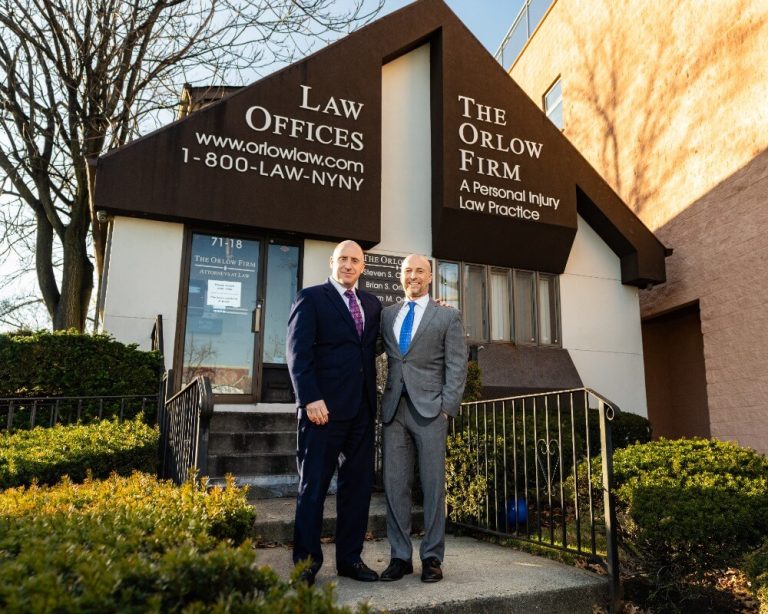
Contact The Orlow Firm for a Free Consultation About Loss of Nurture and Care in New York
- Review your situation to see if you have a claim for loss of nurture and care
- Explain your rights under New York's wrongful death laws
- Discuss who may be eligible to file a claim—such as surviving minor children
- Help gather relevant information , like proof of the deceased's role in the child's life
- Answer your questions openly and clearly, without legal jargon
The Following People Contributed to This Page
Written byParalegal & Office ManagerB.A.Sc., Political Science & Government, John Jay College of Criminal Justice (CUNY), 22+ years at The Orlow Firm, Bilingual: English and Spanish


