

Updated: November 18, 2025 · 23 min read
What are the Helmet Requirements in New York?
Quick Answer: In New York, all motorcyclists and their passengers must wear a Department of Transportation (DOT) approved helmet. Children under 14 riding bicycles must also wear helmets (VTL § 1238). For electric scooters, riders aged 16 and 17 must wear helmets (VTL § 1286), while children under 16 are prohibited from operating them. Adults are not required by law to wear helmets when biking.Who Must Wear a Helmet Under New York Law?
Under New York law, helmet requirements vary depending on the type of vehicle and the rider's age. It is important to know who must wear a helmet to stay safe and comply with the law in New York City. Motorcyclists and Passengers: New York State law requires all motorcycle riders and their passengers to wear a helmet that meets state safety standards. This rule applies to everyone, regardless of age or experience. Whether you are riding a motorcycle, motor-driven cycle, or moped, you must wear a helmet while on public roads. Bicycle Riders: The helmet law for bicyclists is different. Under VTL § 1238, all bicycle riders under the age of 14 are required by law to wear a helmet throughout New York State, not just in New York City. This includes children riding bikes on streets, in parks, and other public places. Riders 14 years old and older are not legally required to wear helmets, but it is strongly recommended for safety. Electric Scooters and E-Bikes: Under New York State law (VTL § 1286), electric scooter riders aged 16 and 17 must wear helmets. Children under 16 are not permitted to operate electric scooters. For e-bikes, all riders of Class 3 electric bicycles must wear helmets regardless of age (VTL § 1238). There is currently no state helmet requirement for Class 1 or Class 2 e-bike riders, though legislation to expand these requirements has been proposed. Summary of Who Must Wear a Helmet in New York:- All motorcycle riders and passengers must wear helmets at all times on public roads.
- Bicycle riders under 14 years old must wear helmets statewide (VTL § 1238).
- Electric scooter riders aged 16 and 17 must wear helmets statewide (VTL § 1286). Children under 16 cannot operate electric scooters.
- All Class 3 e-bike riders must wear helmets regardless of age (VTL § 1238).
- Riders above these age limits are not legally required to wear helmets but are encouraged to do so for safety.
Types of Helmets That Meet New York Safety Standards
In New York, helmets must meet certain safety standards to be legally acceptable for use by motorcyclists and bicyclists. These standards help ensure that helmets provide adequate protection in case of an accident. Here are the main types of helmets that meet New York safety requirements:- Motorcycle Helmets: New York law requires all motorcycle helmets to comply with the safety standards set by the U.S. Department of Transportation (DOT). Helmets with the DOT sticker have passed tests for impact resistance, penetration, and retention system strength. This sticker is usually found on the back of the helmet.
- Bicycle Helmets: For bicyclists, helmets must meet standards set by the Consumer Product Safety Commission (CPSC). These helmets undergo tests for impact absorption, strap strength, and coverage area. Wearing a CPSC-certified helmet is important for safety and compliance with New York City helmet laws, especially for riders under 14 years old.
- Other Helmet Types: Helmets designed for activities such as skateboarding, rollerblading, or electric scooters may also comply with standards like ASTM (American Society for Testing and Materials) or Snell Foundation certifications. While not always legally required, these certifications indicate a helmet meets recognized safety criteria.
Helmet Requirements for Motorcyclists in New York
In New York, motorcyclists must follow specific helmet requirements to help protect their safety while riding. The law requires that anyone operating or riding on a motorcycle wear a helmet that meets certain safety standards. Who must wear a helmet?- All motorcycle riders and passengers: Regardless of age, both the driver and any passenger on a motorcycle must wear an approved helmet when riding on public roads in New York State, including New York City.
- DOT Certification: The helmet must meet the safety standards set by the U.S. Department of Transportation (DOT). Helmets with the DOT sticker have passed tests for impact resistance and other safety features.
- Additional certifications: While DOT certification is the minimum legal requirement, some helmets may also carry certifications from other organizations like Snell or ECE, which indicate higher safety standards.
- Proper fit and condition: Helmets must fit snugly and be in good condition without cracks or damage. A helmet that does not fit properly or is damaged may not provide adequate protection.
Helmet Rules for Bicycle Riders in New York City
In New York City, the helmet rules for bicycle riders are designed to protect riders and reduce the risk of head injuries. While New York State law requires helmets only for certain age groups, New York City has specific rules that riders should know to stay safe and comply with the law. Who must wear a helmet? In New York State, all bicyclists under the age of 14 must wear a helmet when riding. This rule applies throughout the state, including New York City. Riders 14 years old and older are not legally required to wear a helmet, but it is strongly recommended for safety. Helmet recommendations for all riders Although the law only requires helmets for children under 14, safety experts and health officials encourage everyone who rides a bike in New York City to wear one. The busy streets and heavy traffic make helmets an important safety tool. Helmet standards When choosing a helmet, make sure it meets safety standards set by organizations such as the Consumer Product Safety Commission (CPSC). Helmets that meet these standards have been tested to protect your head in case of a crash. Additional helmet rules to consider:- Proper fit is essential: A helmet should fit snugly and sit level on your head to offer the best protection.
- Wear it correctly: The helmet straps should be fastened securely under your chin.
- Replace damaged helmets: If your helmet has been involved in a crash or shows signs of damage, get a new one.
Penalties for Not Wearing a Helmet in New York
In New York, failing to wear a helmet when required by law can lead to legal penalties. These penalties vary depending on the type of vehicle and the rider’s age. Understanding these consequences is important for all riders in New York City. For motorcyclists and their passengers: New York law requires all motorcycle riders and passengers to wear a helmet that meets state safety standards. If a rider is caught not wearing a helmet:- They may receive a traffic ticket. Under VTL § 381, this carries a fine of up to $100, plus mandatory surcharges.
- Jail time is possible. Violators may face up to 30 days in jail, or both a fine and imprisonment.
- No DMV points are assessed. VTL § 381 is classified as an equipment violation, which does not carry points on your license. However, the conviction may still affect insurance premiums.
- The child's guardian or parent may be issued a fine. Under VTL § 1238, the maximum civil fine is $50. The court must waive the fine if the parent provides proof a helmet was purchased or rented between the violation date and the court appearance.
- There are typically no points added to licenses for bicycle helmet violations.
- Increased liability in accidents. If you are injured and were not wearing a helmet as required, insurance companies or courts might reduce compensation because of your failure to follow the law.
- Criminal charges in certain cases. For example, if a rider under the influence of alcohol or drugs is found without a helmet, penalties may be more severe.
Common Questions About Helmet Use in New York
Many people have questions about helmet use in New York, especially in busy cities like New York City. Here are some common questions and clear answers to help you understand the helmet requirements and related issues.- Who is required to wear a helmet in New York? In New York State, all motorcyclists and their passengers must wear a helmet that meets safety standards. For bicyclists, children under 14 years old are required to wear helmets. Adults riding bicycles are not legally required to wear helmets, but it is strongly recommended for safety.
- What types of helmets are legal in New York? Helmets must meet federal safety standards. For motorcycles, helmets should comply with the Department of Transportation (DOT) standards. For bicycles, helmets should meet Consumer Product Safety Commission (CPSC) standards. Wearing a helmet that meets these standards ensures better protection and compliance with the law.
- Are there helmet rules for electric scooters or e-bikes? Yes. Under VTL § 1286, electric scooter riders aged 16 and 17 must wear helmets (riders under 16 cannot operate e-scooters). Under VTL § 1238, all Class 3 e-bike riders must wear helmets regardless of age. There is currently no state helmet requirement for Class 1 or Class 2 e-bike riders.
- What happens if I don’t wear a helmet when required? If you are caught riding a motorcycle without a helmet, or if a child under 14 is riding a bicycle without one, you may face fines and penalties. Law enforcement officers can issue tickets for helmet law violations. Additionally, not wearing a helmet increases the risk of serious head injury in an accident.
- Can I be sued if I get injured while not wearing a helmet? Yes, in some cases, not wearing a helmet can affect legal claims after an accident. Insurance companies or other parties might argue that your injuries were worse because you did not wear a helmet. This could reduce the compensation you receive. However, this depends on the facts of each case.
- Are there exceptions to helmet laws? New York has one of the strictest helmet laws in the nation. There is no religious or medical exemption for motorcycle helmets. The only exception under VTL § 381 is a narrow provision allowing police authorities to issue parade permits exempting participants from the helmet requirement during parades or public exhibitions.
- Is it safe to ride without a helmet in New York City? Riding without a helmet always increases your risk of head injury, especially in a busy city like New York City with heavy traffic and many hazards. Wearing a helmet is the best way to protect yourself and reduce the chance of serious injury.
- Where can I buy a helmet that meets New York’s requirements? Most sporting goods stores, motorcycle shops, and online retailers sell helmets that meet New York safety standards. Look for labels showing compliance with DOT (for motorcycles) or CPSC (for bicycles) to ensure you have the right protection.
How Helmet Laws Are Enforced in New York City
In New York City, helmet laws are enforced primarily by local police officers, including the NYPD. Enforcement focuses on ensuring that riders comply with state and city helmet requirements to promote safety and reduce injuries. Here’s how helmet law enforcement typically works in New York City:- Traffic Stops and Checks: Police officers may stop motorcyclists or bicyclists to check if they are wearing helmets as required by law. This can happen during routine traffic stops or at checkpoints.
- Issuing Tickets: If a rider is found not wearing a helmet when required, officers can issue a traffic citation or ticket. This ticket may carry fines and, in some cases, points on the rider’s driving record.
- Focus on High-Risk Areas: Enforcement efforts often focus on areas with higher accident rates or where helmet use is low. This includes busy streets, parks, and popular cycling routes in NYC.
- Special Enforcement Campaigns: From time to time, the NYPD partners with city agencies to run public safety campaigns. These campaigns emphasize helmet use and may include increased patrols and checkpoints.
Why Wearing a Helmet Is Important for Your Safety
Wearing a helmet is one of the simplest and most effective ways to protect yourself while riding a bicycle, motorcycle, or other motorized vehicle in New York City. Helmets are designed to absorb shock and reduce the impact of a crash on your head. This can help prevent serious injuries such as concussions, skull fractures, or traumatic brain injuries. Here are some key reasons why wearing a helmet is important for your safety:- Protects your brain: A helmet acts as a cushion that spreads out the force of a blow to your head. This reduces the risk of brain injury, which can have long-term effects on your health and quality of life.
- Reduces risk of severe injury: Studies show that helmets lower the chance of severe head and facial injuries by absorbing impact energy during a crash.
- Improves visibility: Many helmets come with bright colors or reflective materials, making you easier to see for other drivers and pedestrians, especially in New York City’s busy traffic.
- Meets legal requirements: Wearing a helmet when required by law helps you avoid fines or other penalties. It also shows that you are taking your safety seriously.
- Increases confidence: Wearing a helmet can help you feel more secure and focused while riding, which may improve your overall control and judgment on the road.
Exceptions to Helmet Requirements in New York
While New York has clear helmet laws for many riders, there are some exceptions to these rules. Understanding these exceptions can help you know when a helmet is not legally required. 1. Adults on Bicycles In New York State, bicycle helmet use is mandatory only for riders under the age of 14. This means that adults riding bicycles in New York City are generally not required by law to wear a helmet, though it is still strongly recommended for safety. 2. Motorcycle Helmet Law New York has a universal motorcycle helmet law with virtually no exceptions. All motorcyclists and their passengers must wear DOT-approved helmets at all times on public roads. The only exception in the statute is a narrow provision allowing police authorities of a city, town, or village to issue permits exempting members of organizations from the helmet requirement while participating in parades or public exhibitions (VTL § 381, subdivision 6). Unlike some other states, New York does not offer exemptions based on age, riding experience, safety course completion, or insurance coverage levels. 3. Certain Medical Conditions Some individuals may be exempt from helmet laws for medical reasons. For example, a person who cannot wear a helmet due to a medical condition might be excused if they have a doctor’s note explaining the issue. These exemptions are uncommon and usually require official documentation. 4. Other Types of Vehicles Helmet laws vary depending on the type of vehicle:- Electric scooters: Under VTL § 1286, riders aged 16 and 17 must wear helmets. Riders under 16 are prohibited from operating electric scooters. Adults 18 and older are not required to wear helmets on e-scooters.
- Class 3 e-bikes: All riders must wear helmets regardless of age (VTL § 1238). Class 1 and Class 2 e-bikes have no helmet requirement.
- Skateboards and rollerblades: Helmet use is generally not required by law but is encouraged for safety.
What to Do If You Are Injured in a Helmet-Related Accident
If you are injured in a helmet-related accident in New York City, it is important to take certain steps to protect your health and your legal rights. Whether you were riding a bicycle, motorcycle, or using another type of vehicle, following these steps can help you manage the situation effectively.- Seek Medical Attention Immediately. Even if your injuries seem minor, get checked by a healthcare professional as soon as possible. Some injuries, such as concussions or internal trauma, may not be obvious right away. Medical records will also be important if you later pursue a claim.
- Report the Accident. Notify the police if the accident involved a motor vehicle or caused serious injury. A police report creates an official record of what happened, which can be helpful later on.
- Document the Scene and Your Injuries. Take photos of the accident location, any equipment involved (like your helmet), and visible injuries. If there are witnesses, try to get their contact information. This evidence can support your case if you seek compensation.
- Notify Your Insurance Company. Report the accident to your insurance provider promptly. In New York, this is especially important if the accident involved a motor vehicle, as no-fault insurance rules may apply to your claim.
- Keep Records of All Medical Care and Expenses. Save all bills, prescriptions, therapy notes, and related documents. Keeping detailed records helps prove the extent of your injuries and the costs you have incurred.
- Understand Helmet Law Impact. Whether you were wearing a helmet or not can influence your legal rights. New York has specific helmet laws, and compliance can affect liability and insurance claims. If you were not wearing a helmet when required by law, this might impact your case.
- Consult a Personal Injury Attorney. If your injuries are serious or the accident was caused by someone else’s negligence, consider speaking with a personal injury lawyer. They can explain your rights, guide you through insurance claims, and help protect your interests.
Sources
- New York Vehicle and Traffic Law § 381 — Motorcycle Equipment (NYS Senate)
- New York Vehicle and Traffic Law § 1238 — Bicycle Helmet Requirements (NYS Senate)
- New York Vehicle and Traffic Law § 1286 — Electric Scooter Helmet Requirements (NYS Senate)
- New York State Driver Point System (NY DMV)
- Motorcycle Safety (Governor’s Traffic Safety Committee)
- Bicycle & Wheel Sport Riding Tips and Rules of the Road (Governor’s Traffic Safety Committee)
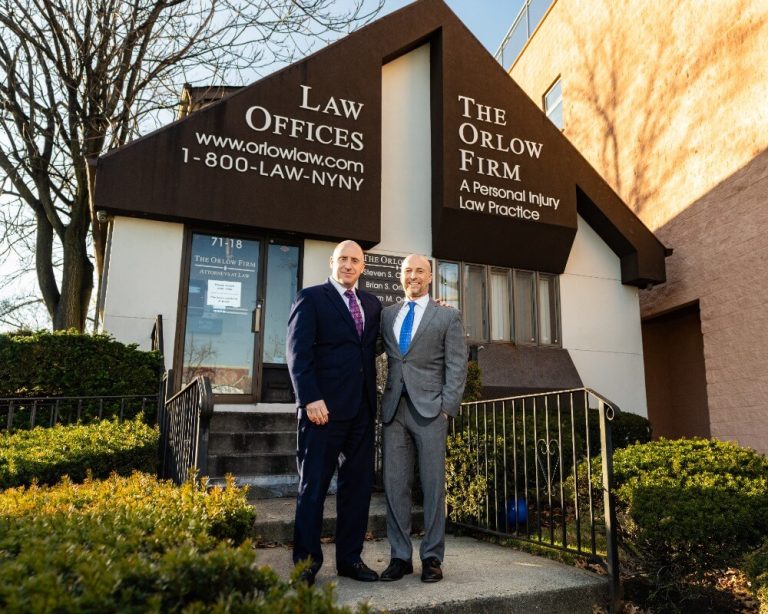
Contacting The Orlow Firm for Helmet Law and Injury Advice
- Understand helmet requirements: Learn who must wear a helmet under New York law and what safety standards apply.
- Evaluate your injury claim: Determine whether helmet use or non-use impacts liability or damages in your case.
- Navigate insurance claims: Get guidance on filing claims related to helmet accidents and medical expenses.
- Know your legal rights: Find out when you may pursue compensation and what evidence is needed.
- Prepare for legal procedures: Receive support with documentation, deadlines, and communication with insurers or opposing parties.
The Following People Contributed to This Page
Written byParalegal & Office ManagerB.A.Sc., Political Science & Government, John Jay College of Criminal Justice (CUNY), 22+ years at The Orlow Firm, Bilingual: English and Spanish


