

Updated: September 26, 2025 · 25 min read
Understanding New York's Labor Law 241
Understanding Labor Law 241 is crucial for anyone navigating personal injury claims in New York City, particularly those involving construction accidents. This law is an essential part of New York's labor protections, aimed at ensuring the safety and well-being of construction workers, who often face dangerous working conditions. If you or a loved one has been injured in a construction-related accident in NYC, understanding the nuances of Labor Law 241 can provide clarity on how the law may apply to your situation. Labor Law 241 is part of a trio of laws, alongside Labor Law 200 and Labor Law 240, designed to protect construction workers. Unlike Labor Law 240, which deals specifically with elevation-related hazards, Labor Law 241 sets forth broader safety requirements at construction sites. It mandates that all areas where construction, excavation, or demolition work is being conducted must be arranged, operated, and equipped with safety measures as prescribed by the New York State Industrial Code. One of the key aspects of Labor Law 241 is that it imposes a non-delegable duty on property owners and general contractors to provide a safe working environment. This means they cannot pass the responsibility onto subcontractors or workers themselves. If a construction worker is injured due to a violation of these safety standards, the property owner or contractor may be held liable, regardless of whether they directly controlled the worksite. For instance, if a worker is injured because a site lacks proper safety barriers or protective gear, and this lack of safety measures is a violation of the Industrial Code, the owner or contractor could be liable for the worker's injuries. This vicarious liability standard is designed to ensure that those who are in a position to enforce safety regulations are held accountable for maintaining safe working conditions. Furthermore, Labor Law 241 covers a wide range of scenarios, from inadequate safety equipment to insufficient training or supervision, making it a powerful tool for injured workers seeking compensation. The law is particularly relevant in bustling urban areas like New York City, where construction sites are prevalent and the risk of accidents is high. In summary, Labor Law 241 plays a pivotal role in protecting construction workers in New York City by holding property owners and contractors accountable for maintaining safe work environments. If you find yourself dealing with a construction-related injury, understanding this law can be the first step towards seeking justice and compensation. For personalized guidance, consider reaching out to a knowledgeable attorney at The Orlow Firm by calling (646) 647-3398.Key Provisions of Labor Law 241 You Should Know
New York's Labor Law 241 is a crucial piece of legislation designed to ensure the safety and well-being of construction workers. The law imposes strict requirements on contractors and property owners to maintain safe working conditions on construction sites throughout New York City. Here are the key provisions of Labor Law 241 that you should be aware of:- Specific Safety Regulations: Labor Law 241 mandates compliance with specific safety rules and regulations outlined in the New York State Industrial Code. These rules cover a wide range of safety aspects, including the use of scaffolding, ladders, hoists, and other equipment commonly found on construction sites.
- Scope of Protection: The law applies to all construction, demolition, and excavation activities. It provides protections not only to workers directly employed by the construction company but also to subcontractors and other workers present on the site.
- Non-Delegable Duty: One of the most significant aspects of Labor Law 241 is that it imposes a non-delegable duty on property owners and general contractors. This means they cannot transfer their responsibility to ensure safety compliance to another party, making them liable for any violations, regardless of who was at fault.
- Vicarious Liability: Labor Law 241(6) imposes vicarious liability on property owners and general contractors. If a specific Industrial Code regulation is violated and a worker is injured as a result, the property owner or contractor may be held liable even if they did not directly control the worksite. However, unlike Labor Law 240(1), comparative negligence is available as a defense, meaning a worker's own negligence can reduce the amount of compensation recovered.
- Right to Compensation: If a worker is injured due to a violation of Labor Law 241, they may be entitled to compensation for medical expenses, lost wages, and pain and suffering. This compensation is in addition to any workers' compensation benefits the worker may receive.
How Labor Law 241 Protects Construction Workers in NYC
New York's Labor Law 241 is a crucial legal framework designed to safeguard construction workers from the inherent dangers of construction sites. This law mandates specific safety measures that must be implemented to protect workers from accidents and injuries. Here's how Labor Law 241 provides protection:- Specific Safety Standards: Labor Law 241(6) requires compliance with specific safety regulations outlined in the New York State Industrial Code (12 NYCRR Part 23). These standards cover a wide range of activities, from excavation to demolition, and ensure that all necessary precautions are taken to prevent accidents.
- Responsibility on Owners and Contractors: The law places a non-delegable duty on property owners and contractors to maintain safe working conditions. This means they cannot transfer this responsibility to another party, ensuring that the highest standards of safety are upheld.
- Specific Regulations for Different Tasks: Labor Law 241 is supported by detailed regulations found in the New York State Industrial Code. These regulations provide specific safety measures for different construction tasks, such as scaffolding, ladder use, and the handling of hazardous materials. This specificity helps ensure that workers are protected in various situations.
- Coverage for a Wide Range of Workers: The protections under Labor Law 241 extend to a broad spectrum of workers, including laborers, mechanics, and other employees involved in construction, demolition, or excavation work. This inclusive coverage ensures that many workers benefit from these safety measures.
- Legal Recourse for Injured Workers: If a worker is injured due to a violation of Labor Law 241, they have legal recourse to seek compensation. This can include medical expenses, lost wages, and pain and suffering, providing essential support during recovery.
Common Violations Under Labor Law 241 in New York City
Labor Law 241 is a crucial piece of legislation aimed at safeguarding construction workers in New York City. Unfortunately, violations of this law are not uncommon and can lead to serious injuries on construction sites. Understanding these common violations can help workers and their families recognize when their rights may have been compromised.- Inadequate Safety Equipment: One of the most frequent violations involves the failure to provide appropriate safety gear. Employers are required to ensure that workers have access to necessary protective equipment such as helmets, harnesses, and eye protection. When these are missing or not properly maintained, the risk of injury increases significantly.
- Poorly Maintained Scaffolding: Scaffolding accidents are a leading cause of construction site injuries. Labor Law 241 mandates that scaffolds be constructed and maintained to specific safety standards. Violations occur when scaffolds are not properly secured, are overloaded, or are constructed with substandard materials, leading to collapses or falls.
- Failure to Secure Work Areas: Construction sites must be organized and managed to minimize hazards. Common violations include failing to secure loose materials, tools, and debris, which can lead to slip and fall accidents or being struck by falling objects.
- Improper Use of Ladders: Ladders must be used according to strict safety guidelines to prevent falls. Violations can occur when ladders are not properly positioned, are unstable, or are used beyond their load capacity.
- Lack of Proper Training: Workers must be adequately trained to handle the equipment and tasks they are assigned. A significant violation occurs when employers fail to provide training, leading to improper use of machinery or unsafe work practices.
Who is Liable Under Labor Law 241?
Under New York's Labor Law 241, liability primarily falls on the owners and general contractors of construction sites. This law is designed to ensure that construction sites are safe and comply with specific safety regulations, aiming to protect workers from accidents and injuries. Here's a closer look at who may be held liable under this law:- Property Owners: In most cases, the property owner is responsible for ensuring that the construction site is safe. This includes making sure that all safety regulations are followed and that the site is free from hazards that could cause injury to workers.
- General Contractors: The general contractor on a construction project is accountable for overseeing the worksite and ensuring compliance with safety standards. They must also ensure that subcontractors follow these safety protocols.
- Agents of the Owner or Contractor: Sometimes, liability can extend to agents of the owner or the contractor. These agents are individuals or entities that have been delegated authority to oversee specific aspects of the construction project, including safety measures.
Steps to Take if You Are Injured on a Construction Site
Being injured on a construction site in New York City can be a traumatic experience, and knowing the right steps to take can significantly impact your health, recovery, and potential legal case under Labor Law 241. Here’s a detailed guide on what to do if you find yourself injured while working on a construction site.- Seek Immediate Medical Attention: Your health should be the top priority. Even if injuries seem minor, it’s crucial to get a medical evaluation as some injuries may not be immediately apparent. Prompt medical attention can also serve as documented evidence of your injuries.
- Report the Injury to Your Employer: Notify your supervisor or employer about the accident as soon as possible. Ensure the incident is documented in an official report. This documentation can be essential for any future claims or legal actions.
- Document the Scene: If you are able, take photos or videos of the accident scene, including any equipment involved and any visible hazards. Capture details like unsafe conditions or safety violations that may have contributed to the accident. This evidence can be critical in proving negligence under Labor Law 241.
- Collect Witness Information: If there were witnesses to your accident, gather their names and contact information. Witness statements can support your account of the incident and reinforce your claim.
- Keep a Detailed Record: Maintain a diary of your injuries, symptoms, medical treatments, and how the injury is affecting your daily life and ability to work. Detailed records can substantiate your claims for compensation.
- Consult with an Experienced Lawyer: Contacting a knowledgeable personal injury attorney familiar with Labor Law 241 is crucial. They can help you understand your rights, evaluate the merits of your case, and guide you through the legal process. The Orlow Firm is here to assist you—call us at (646) 647-3398 for a compassionate consultation.
- Avoid Discussing Your Case: Refrain from discussing your accident or injuries on social media or with anyone other than your attorney. Public statements can be used against you in a legal case.
- Follow Medical Advice: Adhering to your healthcare provider’s recommendations not only aids your recovery but also supports your case by demonstrating that you are taking your injuries seriously.
How The Orlow Firm Can Assist with Labor Law 241 Cases
At The Orlow Firm, we understand the complexities and challenges that arise from construction site injuries in New York City, particularly those involving Labor Law 241. Our team is dedicated to providing compassionate and experienced legal assistance to help you navigate these difficult times. Here's how we can assist you with your Labor Law 241 case:- Legal Guidance: Our attorneys focus on New York construction accident cases and are well-versed in Labor Law 241. We can help you understand your rights and the legal options available to you.
- Comprehensive Case Evaluation: We offer a thorough evaluation of your case to determine the best course of action. Our team will assess the details of your accident, gather evidence, and consult with experts if necessary to build a strong case on your behalf.
- Identifying Responsible Parties: Labor Law 241 holds property owners and contractors accountable for maintaining safe construction sites. We will work diligently to identify all liable parties in your case, ensuring that everyone responsible is held accountable.
- Maximizing Compensation: Our goal is to secure the maximum compensation for your injuries, lost wages, medical expenses, and pain and suffering. We have a proven track record of obtaining substantial settlements and verdicts for our clients, including several multi-million dollar outcomes.
- Handling Complex Legal Processes: Navigating the legal system can be overwhelming, especially when dealing with construction site injuries. Our attorneys will handle all legal procedures, paperwork, and negotiations with insurance companies, allowing you to focus on your recovery.
- Personalized Attention: At The Orlow Firm, we believe in providing personalized attention to each of our clients. We are committed to keeping you informed and involved in every step of your case, ensuring that your needs and concerns are addressed promptly.
Frequently Asked Questions About Labor Law 241
Labor Law 241 is a crucial piece of legislation designed to protect construction workers in New York City by ensuring safe working conditions. Below are some frequently asked questions about Labor Law 241 that may help you understand its implications and how it might relate to your situation.- What is Labor Law 241? Labor Law 241 is part of the New York State Labor Law that imposes specific safety requirements on construction, excavation, and demolition work sites. It aims to protect workers from unsafe conditions by holding property owners and contractors accountable for maintaining a safe work environment.
- Who does Labor Law 241 apply to? Labor Law 241 applies to property owners, general contractors, and their agents involved in construction, demolition, or excavation projects. The law ensures they adhere to safety standards to protect workers on the site.
- What kind of protections does Labor Law 241 offer? The law mandates compliance with specific safety codes, such as providing proper scaffolding, ladders, and other safety equipment. It also requires that work areas are kept free from hazards like debris or unstable structures.
- What are common violations under Labor Law 241? Common violations include inadequate safety equipment, failure to provide proper training, not securing ladders or scaffolding, and allowing hazardous materials or conditions to exist at the worksite.
- How can a worker prove a violation of Labor Law 241? To prove a violation, a worker must demonstrate that the owner or contractor failed to comply with the specific safety regulations outlined in the New York State Industrial Code. Documentation, witness statements, and expert testimony can be crucial in building a strong case.
- What should I do if I'm injured on a construction site? Seek immediate medical attention, report the incident to your supervisor, and document the conditions that led to your injury. Contact an experienced attorney to discuss your legal options under Labor Law 241.
- Can undocumented workers seek protection under Labor Law 241? Yes, undocumented workers are entitled to the same protections under Labor Law 241 as any other worker. The law focuses on safety and does not discriminate based on immigration status.
How Labor Law 241 Differs from Other Labor Laws
New York's Labor Law 241 is a crucial piece of legislation that specifically addresses the safety of construction workers. While it shares some similarities with other labor laws, it has distinct features that set it apart. Understanding these differences can help workers, employers, and legal professionals navigate the complexities of workplace safety and liability. 1. Scope and Application Unlike many general labor laws that apply broadly across various industries, Labor Law 241 is specifically tailored to construction, excavation, and demolition work. This focus ensures that the protections and requirements are directly relevant to the unique hazards present in these environments. Other labor laws, such as the Fair Labor Standards Act (FLSA), cover a wide range of employment aspects like minimum wage and overtime but do not specifically address construction safety. 2. Vicarious Liability and Nondelegable Duty One of the most significant differences is that Labor Law 241(6) imposes a nondelegable duty on property owners and contractors to comply with specific Industrial Code safety regulations. They can be held vicariously liable for violations even if they did not directly control the worksite. However, this is not absolute liability—the New York Court of Appeals has clarified that 241(6) requires proof that a specific Industrial Code provision was violated and that some party's negligence caused the injury. Unlike OSHA regulations, where violations result only in government-imposed fines, violations of the Industrial Code under 241(6) allow injured workers to recover money damages directly. 3. Detailed Safety Provisions Labor Law 241 includes specific provisions that require compliance with detailed safety rules and regulations, such as those outlined in the New York State Industrial Code. These provisions are designed to prevent accidents like falls from ladders or scaffolding, which are common in construction. Other labor laws may not provide such detailed safety requirements, instead offering broader guidelines that can be open to interpretation. 4. Dual Focus on Workers and Public Safety While the primary aim of Labor Law 241 is to protect construction workers, it also considers the safety of the public who might be affected by construction activities. This dual focus is not always present in other labor laws, which might concentrate solely on the employee-employer relationship without considering third-party safety. 5. Interaction with Other Laws Labor Law 241 often works in conjunction with New York's Labor Law 240 (commonly known as the "Scaffold Law"), which provides additional protections specifically against falls from heights. This interaction creates a comprehensive safety net for construction workers that is not commonly found in other labor statutes. Understanding how these laws interrelate is crucial for anyone involved in construction in New York City. In summary, while Labor Law 241 shares the overarching goal of promoting workplace safety with other labor laws, its specific focus on construction, its nondelegable duty and vicarious liability framework, and detailed safety requirements make it a unique and vital component of New York's legal landscape. If you have questions or need assistance with a Labor Law 241 case, contacting a knowledgeable attorney can be an essential step. The Orlow Firm is here to help. Call us at (646) 647-3398 for a consultation.The Role of Safety Regulations in Labor Law 241
Safety regulations play a crucial role in the enforcement and effectiveness of New York's Labor Law 241. This law is specifically designed to protect construction workers by ensuring that work sites adhere to strict safety standards. The implementation of these regulations is vital in preventing accidents and minimizing the risk of injuries on construction sites across New York City. Key Safety Regulations Under Labor Law 241- Proper Use of Safety Equipment: Employers are required to provide appropriate safety equipment such as helmets, harnesses, and guardrails. These measures are essential to safeguard workers from falls and other hazards.
- Safe Scaffolding Practices: Scaffolding must be erected and maintained according to specific standards to prevent collapses and ensure stability. This includes proper anchoring and regular inspections.
- Fall Protection Systems: The law mandates the use of fall protection systems for workers operating at heights. This includes guardrails, safety nets, and personal fall arrest systems to prevent serious injuries.
- Hazardous Material Handling: Regulations under Labor Law 241 also cover the safe handling and disposal of hazardous materials to protect workers from exposure to toxic substances.
- Site Cleanliness and Organization: Construction sites must be kept clean and organized to prevent slips, trips, and falls. Proper storage of materials and debris is essential to maintain a safe working environment.
Legal Remedies Available Under Labor Law 241
Under New York's Labor Law 241, construction workers who suffer injuries on the job due to unsafe working conditions have several legal remedies available to them. This law is designed to ensure that construction sites adhere to strict safety standards, thereby minimizing the risk of accidents. If these standards are not met, and a worker is injured as a result, several legal avenues may be pursued for compensation.- Filing a Personal Injury Lawsuit: Injured workers have the right to file a personal injury lawsuit against the parties responsible for maintaining a safe work environment. This typically includes property owners, general contractors, and sometimes subcontractors, depending on their level of control over the site and adherence to safety regulations.
- Seeking Compensation for Medical Expenses: One of the primary remedies available is the recovery of medical expenses. This includes costs for hospital stays, surgeries, rehabilitation, and any ongoing medical treatment related to the injury.
- Lost Wages and Future Earnings: Injured workers can also seek compensation for lost wages if they are unable to work due to their injuries. This can extend to future earnings if the injury results in long-term or permanent disability that affects their ability to earn a living.
- Pain and Suffering: Beyond economic damages, workers may also be entitled to compensation for pain and suffering. This accounts for the physical pain and emotional distress caused by the injury.
- Third-Party Claims: In some cases, a third-party claim may be appropriate. For example, if faulty equipment contributed to an accident, the manufacturer of that equipment might be liable.
Sources & Official Resources
New York Laws Cited
- Labor Law § 241 — Construction, Excavation and Demolition Work
- Labor Law § 240 — Scaffolding and Other Devices for Use of Employees (Scaffold Law)
- Labor Law § 200 — General Duty to Protect Health and Safety of Employees
Regulations & Government Resources
- OSHA — Construction Industry Safety and Health
- NYC Mayor's Office of Immigrant Affairs — Immigrant Workers' Rights
- New York State Attorney General — Immigrant Workers' Rights
Contacting a New York City Lawyer for Labor Law 241 Issues
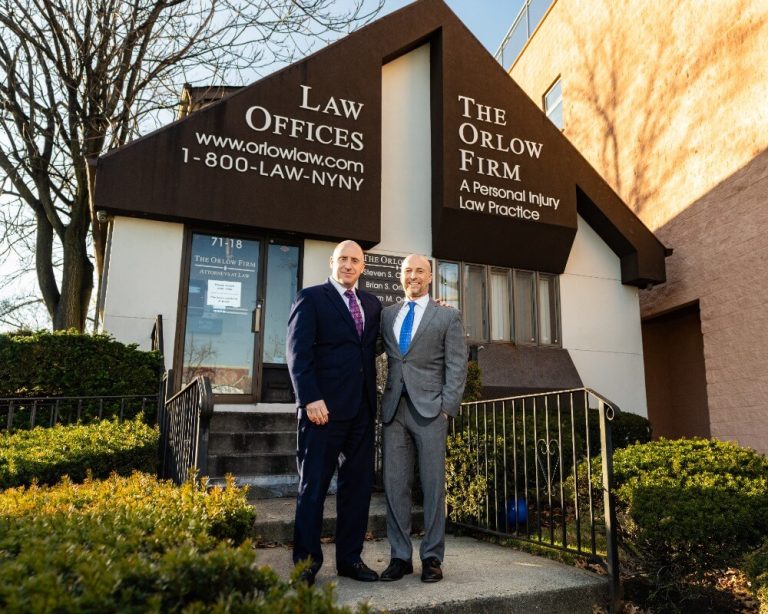
- Experience in Construction Law: Labor Law 241 involves detailed provisions that require an attorney with in-depth knowledge in construction law. A seasoned lawyer can help you understand your rights and the obligations of your employer and other parties involved.
- Proven Track Record: Look for a lawyer with a history of successful cases under Labor Law 241. For example, The Orlow Firm has secured substantial settlements for clients, such as $3.375 million for a construction worker who fell from a ladder and required multiple surgeries.
- Comprehensive Case Evaluation: An experienced attorney will evaluate your case thoroughly, gathering evidence, interviewing witnesses, and consulting with experts to build a strong claim on your behalf.
- Maximizing Compensation: A skilled lawyer will aim to secure the maximum compensation for your injuries, covering medical expenses, lost wages, and other damages.
- Gather Information: Before contacting a lawyer, collect all relevant information about the incident, including accident reports, medical records, and any correspondence with your employer or insurance companies.
- Schedule a Consultation: Reach out to a law firm like The Orlow Firm to schedule a consultation. This initial meeting is an opportunity to discuss the details of your case and explore your legal options.
- Prepare Questions: Prepare a list of questions to ask during your consultation. Inquire about the lawyer's experience with Labor Law 241 cases, their approach to handling your case, and the potential outcomes.
- Consider the Lawyer's Approach: Choose a lawyer who demonstrates compassion, professionalism, and a clear understanding of your situation. They should be committed to fighting for your rights and achieving the best possible outcome.
The Following People Contributed to This Page
Written byParalegal & Office ManagerB.A.Sc., Political Science & Government, John Jay College of Criminal Justice (CUNY), 22+ years at The Orlow Firm, Bilingual: English and Spanish


