

Updated: January 5, 2026 · 20 min read
What Are NYS DOH Nursing Home Complaints in New York City?
Quick Answer: NYS DOH nursing home complaints in New York City encompass a range of issues related to resident safety and well-being within nursing home facilities. These complaints, investigated by the New York State Department of Health (NYS DOH), can include allegations of abuse, neglect, mistreatment, and violations of state and federal regulations.Here's a more detailed breakdown:
- Types of Complaints: Complaints address various forms of harm or improper care in nursing home settings:
- Abuse: This includes physical, emotional, sexual, or financial abuse, as well as any actions that cause physical harm, pain, or emotional distress to a resident.
- Neglect: This involves a failure to provide the necessary care and services to ensure a resident's safety and well-being, potentially leading to injury, discomfort, or deterioration of health.
- Mistreatment: This encompasses a broad range of actions that violate a resident's rights or dignity, such as inappropriate confinement, intimidation, harassment, or verbal abuse.
- Regulatory Violations: These refer to any failure by the nursing home to comply with established state or federal regulations concerning resident care, staffing levels, facility operations, or safety protocols.
- Who Investigates: The NYS DOH Division of Nursing Home and ICF/IID Surveillance is the primary entity responsible for investigating these complaints. They investigate both specific allegations of individual abuse, neglect, or mistreatment, and broader complaints regarding general facility practices or systemic issues. Investigations typically involve gathering information through resident and staff interviews, comprehensive document reviews, and on-site visits to the nursing home.
- Filing a Complaint: Individuals can file complaints with the NYS DOH through several channels:
- NYS DOH Nursing Home Complaint Hotline: The hotline is available 24/7, with staff typically available during standard business hours to take detailed complaints.
- NYS DOH Nursing Home Complaint Form (DOH-5022): Complaints can also be submitted in writing using this specific form, which can usually be found on the NYS DOH website.
- Outcomes of Investigations: If an investigation substantiates a complaint, the NYS DOH may take various actions:
- Citation: The nursing home may be issued a formal citation detailing the deficiencies found.
- Plan of Correction: The facility is then required to develop and implement a plan of correction to address the identified issues and ensure future compliance.
- Further Action: In cases involving serious abuse, neglect, or persistent non-compliance, the NYS DOH may pursue more severe actions, including financial penalties, sanctions, or even potential legal consequences for the facility or responsible individuals.
What Types of Issues Can You Report Against a NYC Nursing Home?
Nursing home residents in New York City have the right to live in a safe and respectful environment. If you believe a nursing home has violated these rights, you can report it to the New York State Department of Health (NYS DOH). There are many types of problems that the NYS DOH will investigate if a complaint is filed. Here are common issues you can report against a NYC nursing home:- Neglect: This includes failing to provide basic care such as food, water, hygiene, medical attention, or help with daily activities.
- Abuse: Abuse can be physical (hitting, slapping), emotional (yelling, threats), sexual, or financial. Any behavior that harms or threatens a resident should be reported.
- Unsafe conditions: You can report dangerous living conditions like unsanitary rooms, broken safety equipment, lack of heating or air conditioning, or hazards such as blocked exits or slippery floors.
- Improper medical treatment: This includes medication errors, untreated injuries, or failure to follow a doctor’s instructions.
- Resident rights violations: Residents have rights under state and federal law. Violations can include being isolated from family, having personal belongings taken, or not being informed about care decisions.
- Staffing issues: If there are too few staff members or if staff are untrained or unqualified, it can harm residents. Poor staffing can lead to delayed care and increased accidents.
- Poor quality of life: Concerns about meals, personal care, recreational activities, or emotional support can also be reported. Residents should have a good quality of life, not just basic survival.
Who Oversees Nursing Homes in New York State?
Nursing homes in New York State are mainly overseen by the New York State Department of Health (NYS DOH). The NYS DOH is responsible for making sure nursing homes meet state and federal laws that protect the health, safety, and dignity of residents. The Department of Health:- Licenses and certifies nursing homes to operate legally in New York.
- Inspects facilities regularly to check for violations of health and safety rules.
- Investigates complaints from residents, family members, staff, or the public.
- Enforces penalties when nursing homes break the law or endanger residents.
- The Attorney General’s office may investigate criminal abuse or fraud in nursing homes.
- The Centers for Medicare & Medicaid Services (CMS) checks for compliance with federal standards, especially if residents receive Medicaid or Medicare.
How Do I File a Nursing Home Complaint with the NYS Department of Health?
Filing a nursing home complaint with the New York State Department of Health (NYS DOH) is a formal way to report poor care, abuse, or unsafe conditions. If you believe a loved one is being mistreated in a New York City nursing home, you have several ways to take action through the NYS DOH. Here are the main ways to file a complaint:- By Phone: Call the NYS Department of Health Nursing Home Complaint Hotline at 1-888-201-4563. This line is available 24 hours a day, and you can leave a voicemail if staff are unavailable.
- Online: You can submit a complaint using the NYS DOH NYS DOH online complaint form. This form allows you to describe your concern and attach supporting documents.
- By Mail or Fax: You may also submit a written complaint by mailing or faxing details to:
- Mail: NYSDOH DRS/SNHCP, Mailstop: CA/LTC, Empire State Plaza, Albany, NY 12237
- Fax: (518) 408-1157
- Email: Send a scanned copy of your complaint form to nhintake@health.ny.gov
- Name of the resident (yourself or your loved one)
- Name and address of the nursing home
- Date(s) and time(s) of the incident(s)
- Names of people involved (if known)
- Details of the issue – what happened and why you’re concerned
- Your contact information (unless filing anonymously)
Can I File a Complaint Anonymously in New York?
Yes, you can file a nursing home complaint anonymously in New York State. The New York State Department of Health (NYS DOH) allows people to report concerns without giving their name. This can be helpful if you're worried about retaliation or simply want to remain private. To file a complaint anonymously:- By Phone: Call the Nursing Home Complaint Hotline at 1-888-201-4563. You can choose not to give your name.
- Online: Use the NYS DOH Nursing Home Complaint Form. You can leave the contact information blank.
- By Mail or Fax: You can also mail or fax a written complaint without putting your name on it.
- Follow-up may be limited: If you don't give your contact info, the NYS DOH can't follow up with you directly about the results.
- Details matter: Try to include as much detail as possible—what happened, when, where, and who was involved. This will help the investigators do their job without needing to contact you for more information.
What Happens After You File a Nursing Home Complaint in NYC?
Once you file a nursing home complaint with the New York State Department of Health (NYS DOH), several steps follow. The goal is to make sure the concerns are taken seriously and, if needed, that action is taken to protect residents. Here's what typically happens after filing your complaint in New York City. 1. The DOH Reviews the Complaint After you submit your complaint, the NYS DOH will first determine if the issue falls under their authority. If it does, they'll assign it to an investigator. All complaints are reviewed, but more serious ones—like those involving abuse, neglect, or unsafe conditions—are usually investigated more quickly. 2. An Investigation May Be Started If the DOH decides to investigate, they will often visit the nursing home. These visits are unannounced. Inspectors may interview staff and residents, look at medical records, and check the facility's practices and conditions. 3. Gathering of Evidence During the investigation, the team will collect evidence. They may ask for documents, speak to witnesses, and look at video footage if available. If the complaint involves medical care or injuries, medical records will be a key part of the review. 4. Conclusion of Investigation Once the investigation is finished, the DOH will decide if the complaint is "substantiated" or "unsubstantiated":- Substantiated: They found enough evidence to confirm the reported problem.
- Unsubstantiated: There wasn’t enough proof to support the complaint, or no rules were broken.
When Should You Consider Filing a Legal Claim in Addition to a DOH Complaint?
While filing a complaint with the New York State Department of Health (NYS DOH) helps bring attention to issues at a nursing home, it's not the same as taking legal action. In some cases, a legal claim may also be necessary, especially if your loved one has suffered serious harm. A legal claim can help you recover financial compensation and hold the facility accountable in a different way. Here are some signs that you may want to consider both a DOH complaint and a legal claim:- Your loved one was seriously injured or died due to neglect or abuse If the nursing home's actions—or lack of proper care—caused a major injury, such as a broken bone, bedsores, or even death, a legal claim may be appropriate.
- The nursing home knowingly ignored medical or safety needs When a facility fails to give needed medicine, skips doctor visits, or ignores fall risks, that may be more than just a violation of rules—it could be negligence.
- The problems have been reported before If the issues you experienced are part of a pattern at the facility, and the DOH has not fixed them, legal action may push for change and offer damages for harm already done.
- The nursing home retaliated or threatened your loved one after a complaint Retaliation is illegal. If staff mistreated your loved one after someone made a report, it may be grounds for a lawsuit.
- You’re seeking compensation for medical costs, pain, or suffering The DOH can fine or investigate a nursing home, but it does not award money to families. A legal claim may help cover relocation expenses, treatment, or emotional distress.
How Can You Protect a Loved One in a NYC Nursing Home?
Protecting a loved one in a New York City nursing home starts with staying involved and informed. While the NYS Department of Health (DOH) investigates formal complaints, there are also important steps you can take on your own to help prevent abuse or neglect and catch problems early. Here are some practical ways to help protect your loved one:- Visit regularly and at different times: Frequent visits show staff that someone is watching and cares. Try to drop in at various times, including evenings and weekends, to get a full picture of care routines.
- Watch for signs of distress or neglect: Look for bruises, bedsores, changes in mood, poor hygiene, or sudden weight loss. These may be red flags for mistreatment.
- Listen and ask questions: Talk with your loved one often. Even if they have trouble communicating, they may show signs of fear, frustration, or sadness that need further attention.
- Speak to staff and caregivers: Build respectful relationships with nurses, aides, and facility managers. Ask questions about care plans, medications, and any changes in condition.
- Keep a record of concerns: Write down any problems you see, including dates, times, the people involved, and what happened. Photos can also help document poor conditions or injuries.
- Know your loved one’s rights: Nursing home residents in New York have rights under state and federal law. These include the right to be treated with dignity, to refuse treatment, and to live free from abuse and neglect.
- File a complaint when needed: If you believe something is wrong, you can report it to the NYS DOH. Serious problems like abuse or unsafe conditions should be reported right away.
- Stay informed about the facility: You can check online reviews, inspection reports, and complaint history through state resources. This gives insight into whether a facility has a pattern of problems.
Frequently Asked Questions About NYS DOH Nursing Home Complaints
What is an NYS DOH nursing home complaint? A complaint to the New York State Department of Health (NYS DOH) is a formal report about problems in a nursing home. These problems may include neglect, abuse, poor care, or unsafe conditions. The NYS DOH reviews these complaints to make sure the nursing home is following state laws and health rules. What issues can I report to the NYS DOH? You can report a wide range of concerns, such as:- Poor hygiene or unsanitary conditions
- Physical abuse or rough treatment
- Verbal abuse, threats, or humiliation
- Bedsores or untreated medical issues
- Staff ignoring residents' needs
- Medication errors or missing doses
- Inadequate food or water
- The name and address of the nursing home
- The name of the resident involved (if known and with permission)
- A clear description of the issue
- Dates or times when the issue happened
- Names of people involved (if known)
- Call the Nursing Home Complaint Line at 1-888-201-4563
- Submit an online form through the NYS DOH website
- Mail or fax the DOH complaint form
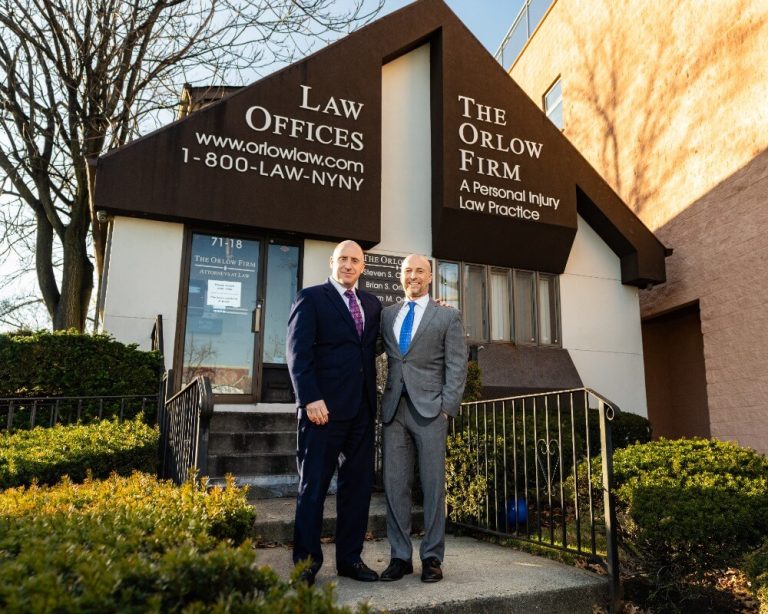
Get Help Filing a NYC Nursing Home Complaint – Contact The Orlow Firm for a Free Consultation
- Understanding what qualifies as neglect or abuse so you know if you have grounds for a complaint.
- Gathering important documentation , such as medical records, photos, or witness statements.
- Filing the complaint with the NYS Department of Health , ensuring it’s done accurately and within legal guidelines.
- Exploring additional legal options if the situation involves serious harm, wrongful death, or ongoing danger.
Sources
The Following People Contributed to This Page
Written byParalegal & Office ManagerB.A.Sc., Political Science & Government, John Jay College of Criminal Justice (CUNY), 22+ years at The Orlow Firm, Bilingual: English and Spanish


