

Updated: October 8, 2025 · 22 min read
What Is a 50-h Hearing in NYC?
Quick Answer: A 50-h hearing is a legal interview the city or public agency can require after you file a claim for injury. It can affect your case because missing it may hurt your chance to sue or delay your case. For guidance on preparing for your hearing, or if you're unsure whether you’re required to attend one, call our experience personal injury lawyers at (646) 647-3398 for personalized support.What Is a 50-h Hearing in NYC and When Does It Happen?
A 50-h hearing is a special type of interview that happens after someone files a personal injury claim against a New York City agency or other local government entity. This hearing gives the city or municipality a chance to question the injured person before a lawsuit is filed. It is named after Section 50-h of the New York General Municipal Law, which requires this kind of hearing when you file a Notice of Claim. A Notice of Claim is a formal document that you must file when you plan to sue a city agency, public school, or other municipal group in New York. You usually have just 90 days from the date of the injury to file this notice. Under the statute, the municipality must serve a demand for the hearing within 90 days of receiving your Notice of Claim, and then conduct the hearing within 90 days of that demand. In practice, the hearing often takes place within a few weeks to a couple of months after the demand is served. During the hearing, the city’s lawyer will ask the injured person questions about how the incident happened, what injuries they suffered, and how those injuries affect everyday life. The hearing is recorded and can later be used in court, if a lawsuit is filed. The 50-h hearing is not held in a courtroom. It usually takes place at the offices of the city agency or its legal representatives. In some cases, it may even be done remotely, especially if travel is difficult for the injured person. To summarize:- A 50-h hearing is required if you file a claim against a New York City agency or other municipal entity (city, county, town, village, fire district, ambulance district, or school district).
- It must be offered before you can file a lawsuit in most personal injury cases involving public entities.
- It gives the city a chance to hear your side and gather information early.
- Slip and falls on city-owned property
- Public school injuries
- Police misconduct cases
- NYC bus or subway accidents
- Construction injuries on city-owned sites
Why Is a 50-h Hearing Required in Claims Against New York City or Other Municipalities?
When you file a personal injury claim against a city agency or public entity in New York, such as the NYPD or the MTA, a special rule applies. Before you can sue a city, county, or public authority, New York law requires that you attend what’s called a 50-h hearing. This hearing is part of Section 50-h of the New York General Municipal Law. It gives the city or agency a chance to ask you questions under oath before a lawsuit is filed. The main reason a 50-h hearing is required is to give the municipality notice and time to investigate your claim. In other words, before you take legal action, the city has a right to learn more about your injury, how it happened, and how serious it is. This helps them decide whether to settle your claim or prepare for court. Here are a few reasons why this process is important:- Early Investigation: The city or agency gets a chance to gather facts soon after the incident. This helps them understand what happened and who may be responsible.
- Preserving Evidence: The 50-h hearing allows the city to collect information while memories are fresh and evidence is still available.
- Deciding on Settlement: In some cases, the city may choose to settle your claim early based on what they learn at the hearing, avoiding a longer court process.
- Limiting Frivolous Claims: This step helps weed out claims that may be false or exaggerated before reaching the courtroom.
How Does a 50-h Hearing Affect Your Personal Injury Claim?
A 50-h hearing plays a major role in personal injury claims against the City of New York or any of its agencies. This hearing can affect your case in several important ways. It may impact how quickly your claim moves forward, how strong your case will be, and whether you follow the proper legal rules. Here’s how a 50-h hearing may affect your personal injury claim:- It is required before filing a lawsuit: If you're suing a city agency—like the NYPD, Department of Sanitation, or NYC Transit—you must attend a 50-h hearing first. Skipping it can delay or even prevent your lawsuit from moving forward.
- It gives the city a chance to hear your side early: At the hearing, a lawyer for the city will ask you questions under oath about how the injury happened and the harm you suffered. What you say can help—or hurt—your case.
- Your statements are recorded: Everything you say during the hearing is put on record. This means those statements could be used later in court. If there are any differences between what you say at the hearing and later, it may affect your credibility.
- It may help the city decide how to respond: After hearing your version of the events, the city might decide to settle the claim early, or it might prepare a stronger defense. Either way, your answers matter.
- It's a testing ground for your case: The 50-h hearing is often the first time you're formally questioned about your injuries. This allows your attorney to get a sense of how the city will approach your case and what issues might come up.
What Should You Expect During a 50-h Hearing in NYC?
During a 50-h hearing in New York City, you can expect a formal but non-courtroom setting where you will give a statement under oath. This process is somewhat like a deposition. A 50-h hearing gives the city or other government agency a chance to learn more about your injury claim and how the incident happened. The hearing usually takes place in an office or conference room, not in a courtroom. People present may include a representative from the city’s legal department, their attorney, a court reporter, and your attorney if you have one. The purpose of the hearing is to ask you questions about the event, your injuries, and your damages. Your answers are recorded and may be used later in your claim or in court if your case moves forward. This is part of the legal process required before you can file a lawsuit against a city or municipal agency. Here’s what you can generally expect during a 50-h hearing in NYC:- A formal introduction: You’ll be sworn in and asked to state your name and some background information like your address, date of birth, and employment history.
- Questions about the incident: You’ll be asked how the injury happened, where it occurred, what time it took place, and other specific details.
- Details about your injuries: Expect to discuss the nature of your injuries, treatment you've received, and how the injuries have impacted your daily life.
- Questions about medical treatment: You will likely be asked about doctors you’ve seen, medications you’re taking, and whether you’ve missed work.
- Clarification or follow-up questions: The city’s representative may ask follow-up questions to better understand your side of the story.
- You have the right to have an attorney with you during the hearing.
- You will be under oath, meaning you must tell the truth.
- The city is not trying to intimidate you; they are gathering information to decide how to proceed with your claim.
How to Prepare for a 50-h Hearing After an Injury Caused by a NYC Agency
Preparing for a 50-h hearing is an important step in your personal injury case against a New York City agency or other municipality. The hearing gives the city’s legal office a chance to ask you questions about what happened, how you were hurt, and how your injuries have affected you. Proper preparation can help you feel more confident and protect your right to seek compensation. Here are some helpful steps to get ready for your 50-h hearing:- Review the details of your injury: Go over what happened before, during, and after the incident. Be ready to explain where the accident took place, what caused it, and what you were doing at the time.
- Practice describing your injuries and treatment: Be prepared to talk about the pain you experienced, the medical care you’ve received, and how the injury has affected your daily life. This includes any time you missed from work or school and any activities you can no longer do.
- Gather your documents: Collect records such as accident reports, medical bills, hospital discharge papers, or photos of injuries. You may also want to bring identification and proof of where and when the incident occurred.
- Meet with your attorney beforehand: A lawyer can help you understand the format of the hearing, explain what kinds of questions to expect, and coach you on how to give clear and honest answers. They can also attend the hearing with you.
- Tell the truth and keep your answers simple: If you don’t remember something, it’s okay to say so. Don't guess or exaggerate. Giving truthful and straightforward answers is the best way to protect your credibility.
- Dress neatly and arrive on time: The 50-h hearing often takes place at the New York City Law Department. Make sure to arrive early and dress appropriately, as you are giving a formal statement under oath.
What Types of Cases Typically Involve a 50-h Hearing in New York?
If you've been injured and your claim involves a New York City agency or public employee, there's a good chance a 50-h hearing will be required. These hearings are common in cases where someone is hurt and files a claim against a city or other local government entity under what's called the "Notice of Claim" law. A 50-h hearing usually applies to claims against:- New York City agencies like the NYPD, FDNY, Department of Sanitation, or Department of Education
- Public transportation systems , such as the MTA or NYC Transit Authority
- Public hospitals or healthcare providers like NYC Health + Hospitals
- City schools and public universities
- Other city departments or contractors working for them
- Slip and fall on city property: This could happen on a sidewalk, in a public park, or inside a public building. If you slipped due to a hazard that the city failed to fix, a 50-h hearing may apply.
- Injuries involving city vehicles: If a garbage truck, police car, or city bus hits your vehicle or strikes you while walking or biking, your case may trigger a 50-h hearing.
- Police misconduct or abuse: If you were wrongly hurt during an arrest or detained improperly, your claim against a law enforcement agency would likely require a 50-h hearing.
- School-related injuries: If your child is injured due to unsafe conditions or lack of supervision in a public school, your claim against the Department of Education would usually go through a 50-h hearing.
- Medical malpractice by a city-run hospital: Claims involving public hospitals (like Bellevue or Harlem Hospital) may also involve a 50-h hearing before a lawsuit can begin.
Can You Have a Lawyer Represent You at a 50-h Hearing?
Yes, you can absolutely have a lawyer represent you at a 50-h hearing, and it’s a good idea to do so. A 50-h hearing is an important part of the claims process when you're seeking compensation from a New York City agency or other local government entity. During the hearing, a representative from the city’s legal team will ask you questions about the incident, your injuries, and how your life has been affected. What you say is recorded and can be used later in your case, so having a lawyer by your side can help protect your rights and avoid mistakes. Here’s how a lawyer can help you at a 50-h hearing:- Prepare you for the hearing: Your lawyer can explain what kinds of questions you'll be asked and help you practice your answers.
- Make sure your rights are protected: A lawyer can object to unfair or inappropriate questions during the hearing.
- Help with documents: If you're asked to bring medical records or other paperwork, your lawyer can help gather and organize them.
- Prevent you from saying something harmful to your case: It's easy to say something that can be misunderstood or taken out of context. A lawyer helps you stay clear and focused.
What Happens If You Miss or Refuse to Attend a 50-h Hearing in NYC?
A 50-h hearing is a key step in personal injury claims against New York City or its agencies. If you are filing a claim for damages—such as after a fall on city property or a car crash with a city vehicle—you will likely be asked to attend one. Missing or refusing to attend this hearing can have serious consequences for your case. What is the legal requirement? Under New York General Municipal Law Section 50-h, the city has the right to question you under oath before you can file a lawsuit. This is known as a "50-h hearing." You must attend this hearing if the city requests it. It's similar to a deposition, but it happens before you can sue. What happens if you miss or skip the hearing?- Your case may be dismissed: If you don’t attend the hearing, the court may dismiss your lawsuit later on. The city can argue that you didn’t follow legal steps, and the judge might agree.
- You may lose the right to sue: You can’t start a lawsuit against the city unless a 50-h hearing takes place. Missing it could mean losing your chance to get compensation.
- The city may delay your claim: If you miss the hearing, the city can ask for more time to investigate. This could delay your case and any possible settlement.
- Talk to a lawyer right away: A personal injury lawyer can help you understand your rights and make sure you attend the hearing properly.
- Don’t ignore mail from the city: If you receive a notice about a 50-h hearing, don’t throw it away. It’s an important legal document.
- Prepare ahead of time: The more prepared you are, the less stressful the hearing will feel. A lawyer can guide you on what to expect.
50-h Hearing NYC: Frequently Asked Questions
Below are some commonly asked questions about 50-h hearings in New York City and how they relate to personal injury claims against government agencies.- What is a 50-h hearing? A 50-h hearing is a legal meeting where a person who has filed a claim against a New York City agency or another government body must answer questions under oath. It is part of the claims process when suing a municipality.
- Why is it called a “50-h” hearing? The name comes from Section 50-h of the New York General Municipal Law. This law gives the city or municipal agency the right to question a person who files a claim before a lawsuit begins.
- Do I have to attend the 50-h hearing? Yes. If you don’t attend, the city may try to get your case dismissed. It’s an important step in pursuing your claim.
- Who will ask me questions during the hearing? A lawyer representing the city or government agency will ask you about your injuries, how the accident happened, and other details related to your claim.
- Where does the 50-h hearing take place in NYC? It usually happens at a government office or the legal department representing the agency. You’ll receive written notice with the location and time.
- Can I bring a lawyer to the 50-h hearing? Yes, and it’s strongly recommended. Your lawyer can help make sure your rights are protected and help prepare you for the questions.
- Is the 50-h hearing the same as a court trial? No. It is not a court trial. It’s part of the process that must happen before you can file a lawsuit. However, your answers are given under oath and can be used later in your case.
- How long after filing a Notice of Claim will the 50-h hearing happen? The municipality must serve its demand for the 50-h hearing within 90 days of receiving your Notice of Claim (which itself must be filed within 90 days of the incident). Once the demand is served, the hearing must be conducted within 90 days. In practice, hearings often occur within a few weeks to a couple of months after the demand.
- What types of cases need a 50-h hearing? A 50-h hearing is required for personal injury claims against public agencies. Common examples include slip and falls on city property, accidents involving city vehicles, or harm caused by New York City schools or public hospitals.
- What happens after the 50-h hearing? After the hearing, you may be able to file a lawsuit depending on the outcome and legal strategy. Your attorney can guide you through next steps.
Sources
- New York General Municipal Law § 50-h — Examination of Claims (NYSenate.gov)
- New York General Municipal Law § 50-e — Notice of Claim (NYSenate.gov)
- GML § 50-h Full Text (Justia)
- Filing a Notice of Claim (NYCourts.gov)
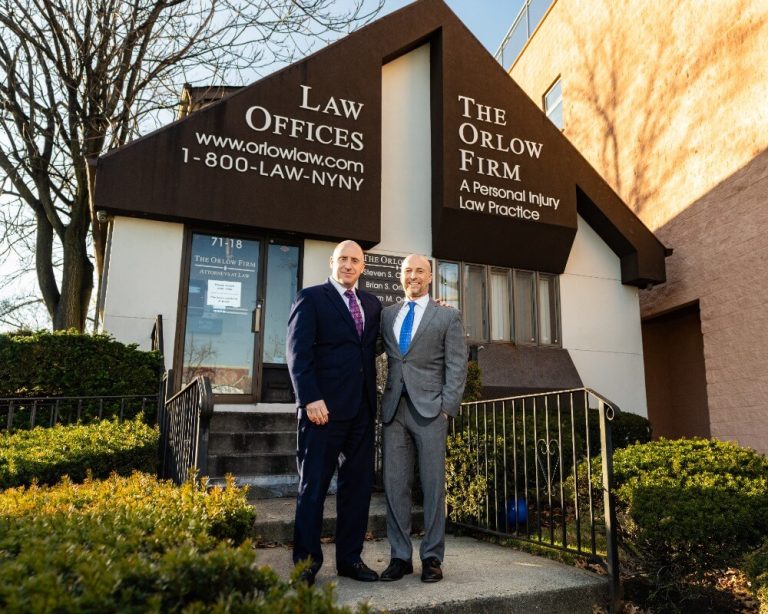
Contact The Orlow Firm for Help with Your NYC 50-h Hearing and Injury Claim
- Explaining the process: We will walk you through what a 50-h hearing is, when it happens, and what to expect.
- Preparing you: We help you get ready to answer questions clearly and honestly, without hurting your case.
- Making sure your rights are protected: We can attend the hearing with you, make objections if needed, and keep things fair.
- Building a strong case: We use what we learn during the hearing to prepare your personal injury claim and seek fair compensation.
The Following People Contributed to This Page
Written byParalegal & Office ManagerB.A.Sc., Political Science & Government, John Jay College of Criminal Justice (CUNY), 22+ years at The Orlow Firm, Bilingual: English and Spanish


