

Updated: November 12, 2025 · 25 min read
What is a Letter of Protection?
Quick Answer: A Letter of Protection (LOP) is a document provided by a personal injury attorney in New York City, assuring medical providers that their bills will be paid from the settlement or judgment obtained in a client's personal injury case. This allows injured individuals to receive necessary medical care without immediate out-of-pocket expenses while their case is ongoing.What Exactly is a Letter of Protection in Personal Injury Cases?
Asking What is a Letter of Protection can be essential for New Yorkers who have been injured in an accident and face difficulties paying for medical care. In personal injury cases, a Letter of Protection (LOP) is a document provided by your attorney to your healthcare provider. This letter guarantees that medical expenses will be paid from any future settlement or judgment obtained in your case. Essentially, it allows you to receive necessary medical treatment without paying upfront or relying solely on health insurance coverage. In New York City, where medical expenses can quickly become a significant financial burden, especially after an accident, Letters of Protection can be particularly useful. They offer a solution for individuals who:- Do not have health insurance coverage: Many New Yorkers find themselves without adequate health insurance, making it challenging to afford immediate medical care.
- Have insurance that refuses to cover accident-related injuries: Sometimes, insurance companies may deny coverage for certain treatments related to personal injury incidents.
- Cannot afford high deductibles or copays: Even with insurance, out-of-pocket expenses can be prohibitively expensive.
When Might You Need a Letter of Protection in New York City?
If you've been injured in an accident in New York City, medical bills can quickly become overwhelming, especially if you're unable to work or if your insurance coverage is limited. In these situations, a Letter of Protection (LOP) can be particularly valuable. But when exactly might you need one? Here are some common scenarios in NYC when obtaining a Letter of Protection could be beneficial:- You don't have health insurance: Unfortunately, many New Yorkers find themselves without adequate health insurance coverage following an accident. If you're uninsured, medical providers may hesitate to offer treatment without upfront payment. A Letter of Protection assures providers that they will be paid from your eventual settlement or court award, allowing you to receive necessary medical care immediately.
- Your insurance provider denies coverage: Even if you do have insurance, there are instances when your insurer may dispute or deny coverage, leaving you responsible for medical costs. By obtaining an LOP, you can continue receiving treatment while your personal injury attorney works to resolve issues with your insurer or seeks compensation from the responsible party.
- You lack immediate financial resources: Serious injuries often require long-term medical care, rehabilitation, or even surgery. If you don't have the financial means to pay for these medical services upfront, a Letter of Protection can bridge the gap between your immediate medical needs and eventual compensation from your personal injury claim.
- Medical providers request payment guarantees: Some healthcare providers in New York City may be cautious about treating accident victims without assurances of payment. Hospitals, specialists, and rehabilitation centers often request Letters of Protection to ensure they will be compensated once your personal injury case settles.
How Does a Letter of Protection Work in New York's Personal Injury Claims?
A Letter of Protection (LOP) is essentially an agreement between you, your healthcare provider, and your attorney. It allows you to receive necessary medical treatment after an accident without immediate payment. Instead, the healthcare provider agrees to wait until your personal injury claim is resolved before receiving payment from your settlement or verdict. In New York City personal injury claims, the process typically involves the following steps:- Attorney Prepares the Letter: After consulting with your attorney and deciding that a Letter of Protection is appropriate, your attorney drafts the document. This letter formally promises your healthcare provider that their fees will be paid from the proceeds of your injury claim.
- Healthcare Provider Acceptance: Your medical provider reviews the Letter of Protection. Not all providers in New York accept LOPs, but many do. Acceptance means your doctor or specialist is willing to offer treatment on credit, trusting that the payment will come once your claim is settled.
- Receipt of Medical Treatment: Once the healthcare provider accepts the LOP, you can proceed with necessary medical treatment without worrying about upfront payments or outstanding medical bills affecting your credit.
- Settlement or Verdict: After your personal injury claim is resolved—either through a settlement agreement or a court verdict—your attorney ensures your medical provider is paid directly from the funds recovered.
- Payment of Remaining Funds: Once your medical bills are settled, any remaining funds from your settlement or verdict are distributed to you, less attorney fees and other approved expenses.
Benefits of Using a Letter of Protection for Medical Treatment After an Accident
After an accident, obtaining timely medical care can be challenging, especially if you're facing financial difficulties or lack sufficient insurance coverage. In such situations, a Letter of Protection (LOP) can offer significant advantages, helping you access the medical treatment you need without immediate out-of-pocket expenses. Here are some of the primary benefits of using a Letter of Protection in New York City:- Immediate Access to Medical Care: Injuries from accidents often require prompt medical attention to ensure proper recovery. A Letter of Protection enables you to receive essential medical treatments without delay, even if you don't have health insurance or your insurance provider denies coverage.
- No Upfront Costs: Typically, healthcare providers require immediate payment or proof of insurance before providing treatment. With an LOP, medical providers agree to defer billing until your personal injury case is resolved. This arrangement allows you to focus on healing rather than worrying about immediate financial burdens.
- Ability to Choose Preferred Medical Providers: Some medical professionals in New York City hesitate to treat accident victims who cannot guarantee payment. A Letter of Protection reassures providers that they will receive payment once your case settles, expanding your options and enabling you to select doctors and specialists you trust.
- Improved Documentation for Your Injury Case: Receiving medical care promptly after an accident ensures thorough documentation of your injuries and treatment, which plays a crucial role in supporting your personal injury claim. Comprehensive records from medical professionals strengthen your case and help demonstrate the severity of your injuries.
- Reduced Financial Stress During Recovery: Recovery from an accident can be physically and emotionally taxing. By eliminating immediate financial concerns related to medical treatment, an LOP allows you to concentrate fully on your physical and emotional recovery.
Potential Risks and Considerations of Letters of Protection in NYC
A Letter of Protection (LOP) can be a valuable tool in helping injured individuals in New York City secure necessary medical treatment following an accident. However, it's important to understand that using a Letter of Protection does come with certain risks and considerations you should be aware of before proceeding.- Medical Bills Depend on Your Case Outcome: A Letter of Protection essentially promises payment to medical providers from any settlement or judgment you receive from your personal injury case. If your case is unsuccessful or the settlement amount is insufficient, you still owe your medical providers for the treatment you've received. This means you could be personally responsible for covering these expenses out-of-pocket.
- Potentially Higher Medical Costs: Healthcare providers who accept Letters of Protection may charge higher rates compared to standard insurance-negotiated rates. Since they're taking on the risk of delayed payment, they sometimes offset this risk by billing at higher-than-usual rates. This can ultimately impact the total amount deducted from your settlement or judgment.
- Impact on Settlement Negotiations: In some cases, the presence of a Letter of Protection can influence negotiations with insurance companies. Insurers may argue that medical providers inflated charges because of the delayed payment arrangement, which could potentially complicate negotiations or impact the final settlement amount.
- Limited Acceptance by Providers: Not all healthcare providers in New York City accept Letters of Protection. You might find that your preferred doctor or specialist is unwilling to agree to this arrangement, limiting your treatment options. This could require you to seek treatment from providers you're unfamiliar with or who may be less convenient for you.
- Possible Financial Pressure: Since medical providers are waiting for payment until your case settles, they may periodically follow up about your case status. This can create pressure or stress, especially if your case is delayed or faces complications.
Common Misconceptions About Letters of Protection in New York
When it comes to letters of protection in New York City, misconceptions can lead injured individuals and their families to misunderstand their rights or miss out on available resources. Clearing up these common myths can help you make informed decisions during a difficult time.- Misconception #1: A Letter of Protection Is a Loan or Credit. A letter of protection (LOP) is neither a loan nor a line of credit. Rather, it's a formal agreement between your attorney and your medical provider that guarantees the provider will receive payment directly from your future settlement or judgment. You aren't borrowing money. However, if your case does not result in compensation, you generally remain personally responsible for paying the medical bills incurred under the LOP.
- Misconception #2: All Doctors in NYC Accept Letters of Protection. Not every healthcare provider in New York City accepts letters of protection. It depends on the provider's policies and their willingness to wait for payment until your case concludes. Before assuming your doctor will accept an LOP, discuss this possibility openly with your healthcare provider or seek recommendations from your attorney for medical professionals who commonly accept letters of protection.
- Misconception #3: Letters of Protection Are Only for Severe Injuries. Some people mistakenly believe that LOPs are only available for catastrophic injuries or cases involving extensive medical treatment. In reality, letters of protection can be used for various types of injuries, whether minor or severe, as long as there’s an expectation of a settlement or verdict from a personal injury claim.
- Misconception #4: Using a Letter of Protection Weakens Your Personal Injury Case. Utilizing an LOP does not negatively affect the strength or validity of your claim. Insurance companies and courts understand that injured individuals may not always have immediate access to funds for medical care. The use of an LOP is a common and accepted practice in New York personal injury cases to ensure timely medical treatment.
- Misconception #5: You Don't Need an Attorney to Obtain a Letter of Protection. Letters of protection are typically agreements negotiated and executed by attorneys on behalf of their clients. Without legal representation, healthcare providers are unlikely to agree to an LOP, as the involvement of an attorney provides assurance that the claim is legitimate and that payment will be pursued through proper legal channels.
How Do Healthcare Providers View Letters of Protection in NYC?
Healthcare providers in New York City generally view Letters of Protection (LOPs) as a practical tool that allows injured patients to receive necessary medical care without immediate payment. By accepting a Letter of Protection, doctors, hospitals, and other medical providers agree to delay receiving payment until the resolution of the patient's personal injury claim. This arrangement can be especially beneficial in situations where patients lack health insurance or adequate financial resources to cover costly medical treatments upfront. However, it is important to understand that healthcare providers in NYC may have varying policies and perspectives regarding Letters of Protection. Some medical practices routinely accept LOPs, recognizing them as a standard part of personal injury cases. These providers understand the legal process and are comfortable waiting for settlement or judgment to receive payment. Other providers may be more cautious, weighing the potential risks associated with deferring payment. Since reimbursement depends on the successful outcome of the patient's personal injury claim, medical providers acknowledge that accepting an LOP can carry some financial uncertainty. To mitigate their risk, healthcare providers in NYC often consider factors such as:- The strength of the patient's personal injury case: Providers may consult briefly with attorneys or review the circumstances surrounding the accident to assess the likelihood of a successful claim.
- The attorney's reputation and track record: Trusted relationships between healthcare providers and reputable personal injury attorneys can enhance the likelihood of a provider accepting an LOP.
- Expected timeframe for case resolution: Providers may be more willing to accept LOPs when they anticipate a timely settlement or judgment, minimizing the amount of time they must wait for payment.
Alternatives to Letters of Protection for Covering Medical Expenses in NYC
While a Letter of Protection (LOP) can be a valuable tool for accessing medical care after an injury, it's not the only option available to New Yorkers. Depending on your situation, several other methods may help you cover medical expenses following an accident.- No-Fault Insurance (PIP): In New York City, if you've been injured in a car accident, your medical expenses will typically be covered under Personal Injury Protection (PIP) insurance, also known as no-fault insurance. This coverage pays for necessary medical treatment and related expenses (like lost wages) up to a certain limit, regardless of who caused the accident.
- Private Health Insurance: If you have personal health insurance coverage, your provider can often cover medical expenses incurred after an injury. However, you'll typically be responsible for meeting deductibles, copayments, and coinsurance requirements according to your policy terms.
- Medicaid or Medicare: For individuals eligible for Medicaid or Medicare, these public programs can provide coverage for medical bills and treatment after an accident. Be aware that these programs may seek reimbursement from any settlement or compensation you receive from a personal injury claim.
- Workers' Compensation: If your injury occurred at work or while performing job-related duties, you may be eligible for workers' compensation benefits. Workers' comp insurance covers medical expenses, lost wages, and rehabilitation services related to your workplace injury.
- Medical Payment Plans or Financial Assistance: Some healthcare providers in NYC may offer payment plans or financial assistance programs to patients facing financial hardship. It's important to speak directly with your healthcare provider's billing department to explore available options.
- Out-of-Pocket Payments: In certain situations, paying medical expenses out-of-pocket may be necessary. While this can be financially challenging, keeping detailed records of all expenses can help you seek reimbursement later through your personal injury claim.
The Role of Your Attorney in Securing a Letter of Protection
When you're injured in an accident in New York City, the immediate priority is receiving appropriate medical care. Unfortunately, financial concerns can complicate this, especially if your insurance coverage is limited or if the responsible party's insurance company is delaying payment. In these situations, your attorney can play a crucial role in helping you secure a Letter of Protection (LOP). Your attorney will typically initiate the process by reaching out directly to your healthcare providers to discuss your case and confirm their willingness to accept an LOP. Attorneys familiar with the New York City legal landscape often have established connections with medical professionals who understand and frequently accept Letters of Protection. Once your healthcare provider agrees, your attorney drafts the Letter of Protection, clearly outlining the terms of the arrangement. This document serves as a legally binding promise that your medical bills will be paid from the proceeds of your personal injury settlement or judgment. It reassures your doctor or medical facility that, even though payment may be delayed, they will ultimately receive compensation for the services they provide. In addition, your attorney's responsibilities include:- Negotiating the terms of the LOP: Your attorney ensures the agreement is fair and clearly defines the expectations and responsibilities of all parties involved.
- Managing communication: Your attorney acts as the intermediary between you and the healthcare provider, facilitating communication to avoid misunderstandings and ensuring that billing issues do not disrupt your medical treatment.
- Monitoring your medical expenses: Your attorney keeps detailed records of your medical treatment and expenses, which are vital for accurately calculating damages and securing appropriate compensation from insurance companies or at trial.
- Resolving payment after settlement: After your case concludes successfully, your attorney ensures that your medical providers receive prompt payment as outlined in the Letter of Protection, resolving any remaining billing issues on your behalf.
Frequently Asked Questions About Letters of Protection in New York City
If you're considering a Letter of Protection (LOP) or have been offered one in New York City, you've likely got several questions. Here are answers to some of the most frequently asked questions regarding Letters of Protection in NYC personal injury cases:- Does a Letter of Protection guarantee that my medical bills will be covered? No, a Letter of Protection is not a guarantee. It is an agreement between you, your attorney, and your healthcare provider, stating that your medical bills will be paid from any settlement or judgment you receive in your personal injury claim. If your case is unsuccessful, you remain responsible for paying your medical bills.
- Do all healthcare providers in NYC accept Letters of Protection? Not every healthcare provider accepts Letters of Protection. While many physicians, specialists, and medical facilities throughout New York City are familiar with and accept LOPs, some prefer immediate payment or insurance coverage. It's always wise to confirm in advance whether your chosen healthcare provider accepts this arrangement.
- Can I use a Letter of Protection if I have health insurance? Yes, you can still use a Letter of Protection even if you have health insurance. However, it's important to discuss this option carefully with your attorney. In many cases, using your health insurance might be more beneficial, as insurance companies often negotiate reduced rates with medical providers. Your attorney can help you determine the best course of action in your specific circumstances.
- Do Letters of Protection affect my credit score? Generally, Letters of Protection should not negatively impact your credit score. Because the healthcare provider has agreed in writing to wait for payment until your case settles, they typically do not report outstanding balances to credit bureaus. However, it's essential to confirm this directly with your provider to ensure clarity.
- What happens if my personal injury claim doesn't settle or if I lose my case? If your claim doesn't result in a settlement or favorable judgment, you remain responsible for paying your medical bills. In such situations, your attorney might be able to help negotiate reduced payments or establish payment plans with your medical providers.
- Are Letters of Protection common in New York City? Yes, Letters of Protection are relatively common in NYC personal injury cases. They can be particularly helpful for individuals who lack health insurance coverage, have high deductibles, or whose insurance companies refuse to cover certain treatments. Many reputable medical providers and personal injury attorneys in New York City regularly utilize Letters of Protection.
- Can I get a Letter of Protection without an attorney? Typically, Letters of Protection involve an agreement between your attorney and your healthcare provider. Providers usually require an attorney's involvement to feel confident that the case has merit and that there is a good chance of eventual payment. Attempting to negotiate a Letter of Protection without legal representation is uncommon and may be challenging.
What Should You Do if Your Doctor Doesn't Accept a Letter of Protection?
If your doctor doesn't accept a Letter of Protection (LOP), it's understandable to feel concerned and uncertain about how to proceed with your medical treatment. Fortunately, there are several practical steps you can take to ensure you get the care you need without delay:- Speak Openly With Your Doctor: First, have an honest conversation with your medical provider. Sometimes, healthcare professionals in New York City may decline Letters of Protection simply because they are unfamiliar with the process or uncertain about the likelihood of payment. Your attorney may be able to clarify these issues directly with the provider, potentially resolving the matter.
- Seek Treatment From Another Medical Provider: If your current healthcare provider remains unwilling to accept an LOP, consider seeking treatment from another medical professional who regularly works with personal injury patients and understands Letters of Protection. Many doctors and medical facilities in NYC are familiar with this practice and routinely work with attorneys to ensure injured individuals receive timely medical care.
- Explore Alternative Payment Options: If switching providers isn't feasible, you may need to explore alternative means of covering medical expenses temporarily. Some options include:
- Using your own health insurance, if available.
- Applying for Medicaid or other government assistance programs.
- Discussing a payment plan or discount directly with your doctor's office.
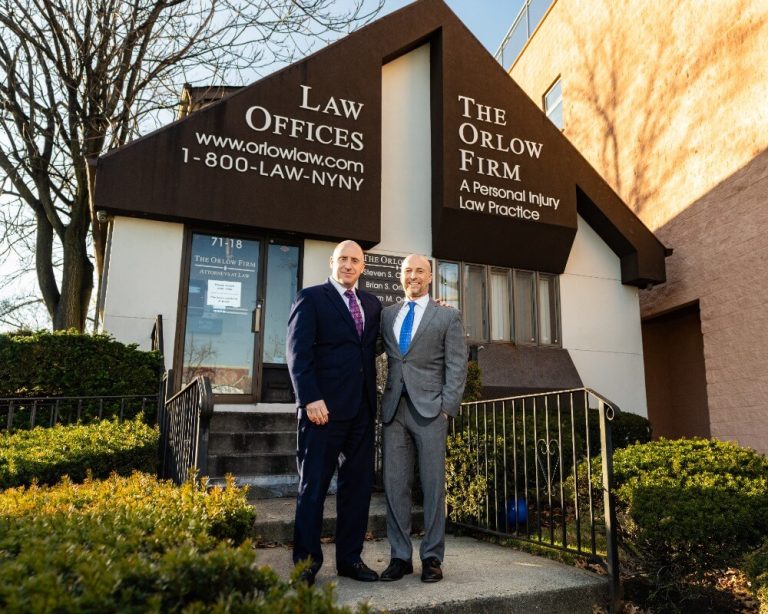
- Discuss Your Situation With Your Attorney: Your personal injury attorney plays a crucial role in addressing issues related to Letters of Protection. At The Orlow Firm, we are dedicated to helping clients navigate these challenges by communicating with medical providers, exploring available medical resources, and ensuring that our clients understand their options clearly.
Contacting The Orlow Firm for Assistance With Letters of Protection in NYC
- Assess Your Case: Carefully review your specific circumstances and determine whether a Letter of Protection is appropriate for your situation.
- Communicate with Healthcare Providers: Negotiate directly with medical professionals and facilities in New York City to facilitate the acceptance of your Letter of Protection.
- Explain Your Options Clearly: Provide transparent, understandable explanations to help you make informed decisions about your medical treatment and financial options.
- Protect Your Legal Interests: Work diligently to ensure that your rights and interests are safeguarded throughout the entire process.
Sources
The Following People Contributed to This Page
Written byParalegal & Office ManagerB.A.Sc., Political Science & Government, John Jay College of Criminal Justice (CUNY), 22+ years at The Orlow Firm, Bilingual: English and Spanish


