

Updated: October 7, 2025 · 22 min read
What Does the Term "Tortfeasor" Mean in NYC Personal Injury Cases?
Quick Answer: In New York City personal injury cases, a tortfeasor is the individual or entity that has committed a wrongful act, resulting in injury or loss to another party. This wrongful act, known as a tort, can be either intentional or unintentional (negligence). The tortfeasor can be held legally liable for the damages caused to the injured party. Here's a more detailed explanation of the term tortfeasor:- Tort: A tort is a civil wrong that causes harm to another person, leading to legal liability for the wrongdoer. It is distinct from a crime, though the same action can sometimes be both.
- Intentional vs. Negligent Torts:
- Intentional torts involve actions taken with a deliberate intent to cause harm (e.g., assault, battery).
- Negligent torts occur when a person or entity fails to exercise reasonable care, and this failure directly causes an injury (e.g., a distracted driver causing a car accident).
- Examples of Torts: Common torts encountered in New York personal injury law include negligence (such as in car accidents, slip and falls, or medical malpractice), assault, battery, false imprisonment, and defamation.
- Liability: If a tortfeasor is found liable in a civil lawsuit, they are legally obligated to compensate the injured party for their losses. These compensable losses are referred to as "damages."
- Damages: Damages that a tortfeasor may be ordered to pay can include a range of losses. These typically cover economic losses (such as medical bills, rehabilitation costs, and lost wages) as well as non-economic losses (such as pain and suffering, emotional distress, and loss of enjoyment of life).
- Multiple Tortfeasors: In certain complex cases, particularly in New York City's dense environment, multiple parties can be considered tortfeasors for the same incident. They may be held jointly and severally liable, meaning each is theoretically responsible for the full extent of the damages, or their liability may be apportioned based on their degree of fault under New York's comparative negligence rules.
How Does a Tortfeasor Impact Your Personal Injury Claim in New York?
In a New York personal injury case, the tortfeasor plays a key role because they are the person or party responsible for causing harm. Legally, a tortfeasor is someone who commits a "tort," which is a wrongful act that leads to injury or damage. Understanding who the tortfeasor is helps determine who may owe you compensation. The tortfeasor’s actions—or failure to act—are what your case is based on. If they acted negligently or carelessly, and you got hurt as a result, you may have the right to file a personal injury claim against them. The goal of that claim is to recover damages, such as payment for medical bills, lost wages, and pain and suffering. Here’s how a tortfeasor affects your personal injury claim in New York:- Identifying the at-fault party: One of the first steps in a personal injury claim is figuring out who caused the accident. That person or party is the tortfeasor.
- Proving liability: To hold the tortfeasor responsible, you must show that their actions were negligent or wrongful. In simple terms, this means they didn’t act as a reasonable person should have under the circumstances.
- Filing a claim or lawsuit: Once the tortfeasor is identified, your legal case focuses on proving how their actions directly led to your injuries. You may first file a claim with their insurance company or eventually choose to sue in court if a fair settlement can't be reached.
- Access to compensation: Your ability to recover damages depends on how clearly the tortfeasor’s responsibility can be shown. In New York, even if you’re partly responsible, you may still recover some compensation under the state’s comparative negligence rules.
What Are Examples of a Tortfeasor in Common NYC Accidents?
In New York City personal injury cases, a tortfeasor is the person or party who caused harm to someone else through a wrongful act. This could be due to carelessness, recklessness, or intentional actions. Tortfeasors can come from many everyday situations around the city. Here are some common New York City accidents where someone might be considered a tortfeasor:- Car Accidents: A driver who runs a red light and crashes into another vehicle can be the tortfeasor. Even though New York is a no-fault state for insurance, if the injuries are serious enough, you may still sue the at-fault driver.
- Pedestrian Accidents: If a driver doesn’t yield at a crosswalk and hits a person walking, the driver could be the tortfeasor.
- Slip and Falls: A store owner who fails to clean up a wet floor or put out warning signs can be a tortfeasor if someone slips and gets hurt.
- Construction Accidents: If a property owner or contractor fails to follow safety rules and a worker is injured, they may be the tortfeasor.
- Police Misconduct: In some cases, an officer or department can be the tortfeasor if they use excessive force or violate someone's civil rights.
- Nursing Home Abuse: A staff member or facility that neglects or abuses a resident could be considered a tortfeasor.
- Dog Bites: If a dog owner knows the dog is dangerous and doesn’t take steps to protect others, they may be the tortfeasor if someone is bitten.
Can There Be More Than One Tortfeasor in a New York Personal Injury Case?
Yes, there can be more than one tortfeasor in a New York personal injury case. A tortfeasor is a person or party who is legally responsible for causing harm. In many cases, more than one person or company may share that responsibility. When this happens, they are considered joint tortfeasors. This can occur in various types of accidents throughout New York City, from car crashes to construction site injuries. Here are some examples:- Car Accidents: If two drivers both acted carelessly and caused a crash, they could both be held responsible for your injuries.
- Slip and Fall Accidents: If a property owner and a cleaning company both failed to address a spill, they may both be named in a claim.
- Construction Accidents: A general contractor and a subcontractor might both share fault for unsafe work conditions.
How Is Fault Proven Against a Tortfeasor Under New York Law?
In New York, proving fault against a tortfeasor—meaning the person who caused the injury—requires clear evidence that they acted negligently. Negligence means that the person failed to use reasonable care, resulting in someone else getting hurt. To hold someone legally responsible, four main elements must be proven under New York law.- Duty: The tortfeasor must have had a legal responsibility to act a certain way. For example, drivers have a duty to follow traffic laws and pay attention on the road.
- Breach: You must show that the tortfeasor did not meet that responsibility. This could mean running a red light, failing to clean a sidewalk, or not fixing broken stairs in a building.
- Causation: It has to be proven that the tortfeasor’s actions caused your injury. Simply acting carelessly isn’t enough—you must link that carelessness directly to your harm.
- Damages: Finally, you must show that you suffered actual harm. This could include physical injuries, emotional distress, or financial losses like medical bills and lost wages.
- Witness statements: People who saw what happened can help explain how the tortfeasor acted.
- Photographs or videos: Images of the scene or the injury can help show what occurred.
- Police or incident reports: These official records often note what went wrong or list traffic violations.
- Medical records: These connect your injuries to the incident and help reveal how serious the damage is.
- Expert testimony: In some cases, professionals like doctors or engineers explain how the injury happened or what proper safety steps were missed.
What Compensation Can You Seek From the Tortfeasor in NYC?
If you've been injured due to someone else's actions in New York City, that person is called a tortfeasor. Under New York personal injury law, you may be able to hold the tortfeasor responsible and seek compensation from them. This compensation is meant to help you recover from your damages—which can include both financial losses and pain you’ve suffered. The types of compensation you can seek from a tortfeasor in NYC may fall into two main categories: economic damages and non-economic damages.- Medical expenses: This includes costs for hospital stays, doctor visits, surgeries, physical therapy, medications, and any ongoing treatment related to the injury.
- Lost wages: If your injuries keep you from working, you can ask for compensation for the income you lost during your recovery.
- Future loss of income: If your injuries stop you from returning to your job or limit your ability to earn money in the future, you may claim that loss too.
- Property damage: If the tortfeasor damaged your property—for example, your car in an accident—you can seek reimbursement for repair or replacement.
- Pain and suffering: This includes the physical pain and emotional stress caused by the injury. These damages are not tied to bills but to how the injury has affected your daily life.
- Loss of enjoyment of life: If your injury stops you from enjoying activities you once did—like hobbies, social events, or time with family—you may be compensated for that loss.
- Other out-of-pocket expenses: These may include transportation to medical appointments, the cost of hiring help at home, or special equipment you now need because of your injury.
Is the Tortfeasor Always the Person Who Directly Caused the Injury?
Not always. While a tortfeasor is the person or party legally responsible for harming someone, they may not always be the person who actually causes the injury directly. In some cases, someone else—like an employer or a property owner—can be held responsible for another person’s actions. Here are some examples that help explain this idea:- Employer Responsibility: In New York, if an employee injures someone while doing their job—like a delivery driver causing an accident—the employer could be considered the tortfeasor. This is called "vicarious liability," meaning the employer is legally responsible for the employee’s actions while on the job.
- Property Owners: A landlord in NYC might be held responsible if someone slips and falls due to an icy sidewalk they failed to maintain. The landlord may not have directly caused the fall, but they had a duty to keep the area safe. In this case, the landlord could be the tortfeasor.
- Parents or Guardians: If a minor causes harm to someone, the parent may sometimes be held liable. The parent could be named as a tortfeasor in the personal injury claim, depending on the circumstances.
- Multiple Parties: In some cases, more than one person or business may share legal responsibility. For example, a construction worker might get injured due to unsafe equipment, and both the equipment maker and the contractor overseeing the work could be considered tortfeasors.
How Does New York’s Comparative Negligence Law Affect Tortfeasors?
New York follows a legal rule called comparative negligence. This means that when more than one person shares blame for an accident, each person is responsible for their portion of the fault. In personal injury cases, this directly affects the tortfeasor—the person or party found to be at fault. Even if the injured person is partly at fault, the tortfeasor can still be held liable. However, the total amount the victim can recover may be reduced based on their own share of responsibility. Here's how comparative negligence works for tortfeasors in New York:- 100% Tortfeasor Fault: If the tortfeasor is entirely to blame, they may have to pay for all damages, including medical bills, lost wages, and pain and suffering.
- Shared Fault: If the injured person is found to be, say, 20% at fault, and the tortfeasor is 80% at fault, the victim can still recover 80% of their total damages. The tortfeasor would pay that portion.
- Multiple Tortfeasors: If two or more people are at fault, each may be responsible for paying a portion of the damages based on their share of the blame.
What Should You Do If You Think You’ve Been Harmed by a Tortfeasor in NYC?
If you believe you've been hurt because of someone else's actions in New York City, it's important to take the right steps. A person or group who causes harm to another is known as a tortfeasor. This could be from a car crash, a fall on someone’s property, or even an injury caused by a dangerous product. Taking quick and informed action can help protect your health and legal rights. Here are important steps you should follow if you think you’ve been harmed by a tortfeasor in NYC:- Get Medical Help Immediately: Your health should be your first priority. Go to a doctor or hospital as soon as possible, even if the injury seems minor. Medical records also become important proof if you file a legal claim.
- Report the Incident: Depending on the type of injury, you may need to file a report. For example, report car accidents to the police, and falls to the building manager or property owner. This helps build a record of what happened.
- Gather Information: If you’re able, take photos of the scene, your injuries, and anything else that could help show what caused the harm. Get names and contact information of any witnesses, and the tortfeasor if known.
- Avoid Giving Detailed Statements: Don’t talk with the other party’s insurance company without speaking to a lawyer first. They may use your words against you later.
- Keep Documents: Save all medical bills, photos, accident reports, and any communication about the incident. A clear paper trail can support your claim.
- Speak With a Personal Injury Lawyer: If you believe a tortfeasor caused your injury, a lawyer can help you understand your rights under New York law. They can explain your options and help you take legal steps if needed.
FAQs About Tortfeasors and Personal Injury Law in New York
Here are some frequently asked questions about tortfeasors and personal injury law in New York City:- What is a tortfeasor? A tortfeasor is a person or party who causes harm to someone else through a wrongful act. This harm can be physical, emotional, or financial. In personal injury law, the tortfeasor is the one who may be held legally responsible for the injury.
- Is a tortfeasor always a person? Not always. A tortfeasor can be a person, company, or even a government agency. For example, if a building owner fails to fix broken stairs and someone falls, the building owner may be the tortfeasor.
- Does New York’s no-fault law affect tortfeasor claims? Yes, it can. New York’s no-fault system covers medical bills and lost wages up to a certain limit for car accident injuries, no matter who caused the crash. But if your injuries are “serious” (like a broken bone or permanent damage), you can still sue the tortfeasor for pain and suffering and other losses.
- Can there be more than one tortfeasor in a case? Yes. Sometimes more than one person or company shares the blame. For example, in a multi-car pileup, two or more drivers might each be partly at fault. Each one could be considered a tortfeasor.
- How do you prove someone is a tortfeasor? To prove someone is a tortfeasor, you typically have to show they acted carelessly (or intentionally) and that their actions caused your injury. This usually involves showing that they owed you a duty of care, that they failed to meet that duty, and that their failure caused your harm.
- What kind of damages can a tortfeasor be responsible for in NYC? A tortfeasor could be held responsible for several types of damages, including:
- Medical bills
- Lost wages
- Pain and suffering
- Emotional distress
- Property damage
- What if I was partly at fault? New York has a “comparative negligence” rule. This means even if you were partly to blame, you can still recover money from the tortfeasor. However, the amount you receive will be reduced by your share of the fault. So if you were 20% at fault, you could still recover 80% of your damages.
- Can a tortfeasor go to jail? Not usually, unless the act was criminal. Most personal injury cases are civil, not criminal. That means the tortfeasor may have to pay money, but not go to jail. However, in some serious cases like assault or drunk driving, there may also be criminal charges.
- How long do I have to file a lawsuit against a tortfeasor in New York? In New York, you usually have three years from the date of the injury to file a personal injury lawsuit. Some cases have shorter or longer time limits, so it’s important to act quickly.
- What should I do if I think someone is a tortfeasor in my case? If you believe someone caused your injury, it’s important to get legal guidance. You may be able to file a claim or lawsuit to seek compensation. The sooner you speak with a personal injury lawyer, the better your chances of protecting your rights.
Sources & Official Resources
New York Laws Cited
- CPLR § 1411 — Comparative Negligence (Pure Comparative Fault)
- CPLR § 1401 — Contribution Among Tortfeasors
- CPLR § 1601 — Limited Liability of Persons Jointly Liable (Article 16)
- CPLR § 214 — Statute of Limitations for Personal Injury (Three Years)
- Insurance Law § 5102(d) — Serious Injury Threshold (No-Fault)
Injured by Someone Else’s Actions? Contact The Orlow Firm for a Free Consultation
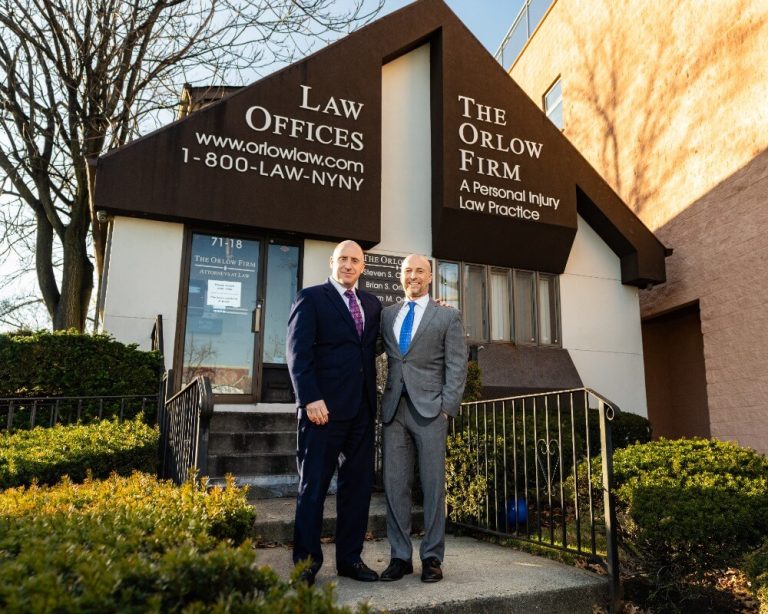
- Understand if you have a case based on who caused the harm and how.
- Learn what types of compensation you could be eligible to receive.
- Gather the right evidence to prove fault and damages.
- Make sure deadlines and legal requirements are met.
The Following People Contributed to This Page
Written byParalegal & Office ManagerB.A.Sc., Political Science & Government, John Jay College of Criminal Justice (CUNY), 22+ years at The Orlow Firm, Bilingual: English and Spanish


