

Updated: November 3, 2025 · 23 min read
What Is a Vocational Expert and What Do They Do?
Quick Answer: A Vocational Expert (VE) is a professional with specialized knowledge in vocational rehabilitation, counseling, and job market analysis, who provides expert opinions on a person's ability to work, especially in the context of disability claims. They analyze a claimant's medical conditions, work history, education, and skills to determine if they can perform their past work or other jobs in the national economy. Their testimony is crucial in Social Security disability hearings and other legal proceedings.Here's a detailed explanation of a vocational expert's role and why they are needed:
- What They Are: Vocational Experts are professionals who specialize in understanding how a person's medical conditions, education, work experience, and skills interact with the demands of various jobs and the realities of the job market. They provide an objective assessment of a claimant's work capacity.
- Analyze Medical Records and Work History: VEs meticulously review a claimant's medical reports, treatment records, and detailed work history. This helps them understand the claimant's physical and mental limitations, as well as the demands of their past jobs.
- Assess Job Skills and Transferability: They evaluate a claimant's acquired job skills and abilities. A key part of their role is to determine if these skills can be transferred to other types of employment, even if the claimant now has significant work-related limitations.
- Evaluate Job Availability: VEs analyze current job market data to identify specific jobs that a claimant could potentially perform. They consider various factors such as the physical and mental demands of the job, educational requirements, and the claimant's experience.
- Provide Expert Testimony: Vocational experts offer impartial testimony in Social Security disability hearings, personal injury cases, workers' compensation disputes, and other legal proceedings. Their expert opinion explains their findings regarding a claimant's ability to work.
- Consider Various Factors: When assessing a claimant's work capacity, VEs integrate numerous factors, including the claimant's age, level of education, work experience, residual functional capacity (remaining abilities despite limitations), and the severity of their disability.
- Contribute to Economic Damages Calculations: In personal injury and workers' compensation cases, VEs can play a significant role in determining economic damages. They help calculate the financial impact of lost earning capacity by assessing how an injury affects a person's future ability to work and earn a living.
- Objective Assessment: VEs provide an objective evaluation of a claimant's work capacity, which is crucial for decision-makers (judges, juries, or administrative law judges) who need an unbiased perspective, separate from the claimant's or their legal representative's viewpoint.
- Expertise in Job Market: Their specialized knowledge of vocational rehabilitation and current job market trends allows them to identify suitable employment opportunities that might not be obvious to laypersons, even for individuals with significant limitations.
- Support for Disability Claims: Their expert testimony and analysis are often critical in supporting or opposing a disability claim, directly influencing the determination of eligibility for benefits.
- Expert Witness in Legal Cases: Vocational experts are frequently called upon to provide expert witness testimony in various legal settings where a claimant's ability to work and earn wages after an injury or illness is a central issue.
How Does a Vocational Expert Help in Personal Injury Cases in NYC?
In a NYC personal injury case, a vocational expert helps explain how an injury affects a person’s ability to work. Their main job is to give clear, unbiased opinions about a person’s job skills, earning capacity, and future employment options after being hurt. After an accident, some injuries prevent people from returning to their old jobs or working at all. A vocational expert looks at these situations and helps answer important questions such as:- Can the injured person still do their old job? The expert compares the job’s physical and mental demands with the person's current abilities.
- Are there other jobs the person can now do? If they can't return to their original job, the expert may suggest lighter or different work they might qualify for.
- How much money could they earn now? The expert may estimate future income and compare it to past earnings to show how much has been lost.
Why Are Vocational Experts Important in Disability Claims?
Vocational experts play a key role in disability claims by helping to determine whether someone can still work after an injury or illness. These experts look at more than just medical records. They also consider a person’s job history, skills, education, and the job market. This helps the court or agency decide if a person is truly unable to work and should get disability benefits. In New York City, where many jobs are physically and mentally demanding, vocational experts help show how an injury affects someone’s ability to earn a living. Their input is especially important in Social Security Disability cases and private long-term disability claims. Here’s how they help:- Evaluate work ability: They review a person’s medical records and work history to determine what kinds of jobs, if any, the person can still do.
- Analyze job market data: They research the local job market, looking at the types of work available in NYC and whether any of those jobs match the person's current ability.
- Identify transferable skills: If someone cannot go back to their old job, a vocational expert may find other jobs that use similar skills but require less physical effort.
- Explain findings to the court: Vocational experts often testify in hearings, using simple terms to explain whether the person’s injury prevents them from working.
How Do Courts Use Vocational Expert Testimony?
Courts in New York use vocational expert testimony to help understand how an injury affects a person’s ability to work. These experts provide opinions that can impact decisions about compensation in both personal injury and disability cases. Vocational experts are often called to testify when someone claims they can't return to work after an accident. The court uses their input to decide how much a person's injury has affected their earning potential. Their opinions can help judges and juries understand complex job-related issues in simpler terms. Here are some specific ways courts use vocational expert testimony:- Assessing Job Skills: The expert looks at the injured person’s past jobs, education, skills, and experience to see what kinds of work they can still do—if any.
- Evaluating Ability to Return to Work: Based on medical records and the person’s current physical or mental limitations, the expert explains if they can return to their old job or switch to a new one.
- Estimating Lost Wages: The expert may calculate how much income someone has lost due to the injury and how much they may lose in the future if they can no longer work or must take a lower-paying job.
- Reviewing Labor Market Conditions: In New York City, where job markets can vary by industry and location, the expert considers if suitable jobs are actually available given the person’s condition and qualifications.
What Qualifications Do Vocational Experts Typically Have?
Vocational experts play an important role in personal injury and disability cases, but not just anyone can serve in this position. These professionals must meet certain qualifications to give opinions in court. Their background must show that they understand how injuries or disabilities can affect a person’s ability to work. Here are the typical qualifications vocational experts have:- Educational Background: Most vocational experts have at least a master’s degree in fields such as vocational rehabilitation, psychology, counseling, or a related area. Some may also have degrees in occupational therapy or special education.
- Work Experience: They usually have several years of experience helping people return to work after injuries. This may include working in job placement, vocational counseling, or rehabilitation services.
- Special Training: Many vocational experts receive ongoing training in labor market trends, job requirements, disability law, and career counseling. This helps them stay up-to-date with changes that impact employment decisions.
- Certifications: While not legally required, many vocational experts choose to earn professional certifications. One common certification is the Certified Rehabilitation Counselor (CRC). This shows they meet national standards in vocational rehabilitation.
- Knowledge of Local Job Markets: Especially in a diverse and complex city like New York, a good vocational expert needs to understand local industries, wages, and work opportunities. They must be able to explain how an injury affects job choices in NYC’s unique job market.
- Testifying Experience: Courts often look for experts who have testified before and are comfortable presenting clear, unbiased opinions. They must be able to explain their findings in a way that judges and juries can easily understand.
Can a Vocational Expert Affect the Outcome of My Case?
A vocational expert can play a major role in how your personal injury or disability case turns out. Their opinion can influence how much compensation you may receive, especially if your injury affects your ability to work. In personal injury cases, courts often need to understand how an injury impacts your job skills and future earning potential. This is where a vocational expert comes in. They look at your education, work history, physical abilities, and the local job market—especially in New York City—to determine if you can still work and how much you might be able to earn. Here are some ways a vocational expert may affect your case:- Showing lost earning capacity: If you can no longer do your old job because of an injury, the expert may explain how much income you are likely to lose over time.
- Explaining job limitations: They can describe how your injury limits your ability to work certain jobs or hours. This can support your claim for damages.
- Reviewing retraining options: The expert might say whether you could be retrained for a new job or if your injury makes that unlikely.
- Responding to opposing claims: If the other side brings their own vocational expert, your lawyer may call in a vocational expert to challenge or explain why their opinion isn’t accurate.
When Might You Need a Vocational Expert in New York?
There are several situations where a vocational expert may be needed in a personal injury or disability case in New York. These experts offer opinions about a person’s ability to work after an injury or illness. Their insight can be especially helpful when it’s unclear how serious injuries affect a victim’s future job prospects or earning potential. Here are some times when a vocational expert might be used:- Lost Earning Capacity Needs to Be Proven: If you’re seriously injured and can’t return to your previous job, a vocational expert can help explain how your ability to earn income has changed.
- The Injury Limits Your Job Options: If your injury keeps you from doing physical labor or certain job tasks, the expert can identify what kinds of work, if any, are still possible.
- You’re Applying for Disability Benefits: When filing for Social Security Disability or other long-term benefits, a vocational expert may be asked to give an opinion on whether you can work in any role at all.
- The Defense Disagrees About Your Ability to Work: In some cases, the other side may argue that you can return to work. A vocational expert hired by your legal team can explain why your injury still prevents you from working.
- Your Case Goes to Court: If a personal injury claim or disability case goes to trial, vocational experts may be brought in to testify about job limitations, wages, and future work potential.
What’s the Difference Between a Vocational Expert and a Medical Expert?
Vocational experts and medical experts both play important roles in personal injury and disability cases. However, they focus on very different things. Understanding the difference can help you better prepare if you're involved in a legal case in New York City. Medical experts focus on your health. They are doctors or other healthcare professionals who review your injury or illness. They may treat you, review medical records, and give their opinion on how your condition affects your body. A medical expert testifies about things like:- The type and extent of your injury
- Whether your injury was caused by an accident
- Your ability to recover over time
- What treatments you need or may need in the future
- The types of jobs you can or cannot do after your injury
- How much you could realistically earn compared to before the injury
- What training or education you would need to return to work
- The availability of jobs in the New York City area
How Is a Vocational Expert Chosen for a Legal Case?
In a legal case involving personal injury or disability, a vocational expert is usually chosen because of their ability to evaluate how an injury affects a person’s ability to work. The way a vocational expert is selected depends on the type of case, the court, and the specific issues involved. Usually, one of the following parties will choose a vocational expert:- Attorneys : Lawyers for either the plaintiff (injured person) or the defendant (such as an insurance company) may hire a vocational expert. The attorney will choose someone who can clearly explain how the injury affects the person’s ability to work now and in the future.
- Court-appointed : In some cases, especially in disability claims, the court or judge might call in an independent vocational expert. This expert is not hired by either side, and their role is to give neutral, fact-based opinions.
- Administrative Agencies : In Social Security Disability cases, the Social Security Administration often uses vocational experts during hearings. These experts give opinions on what types of jobs a person can still do, given their limitations.
- Experience in job placement or vocational rehabilitation
- Understanding of labor markets, especially in New York City
- Knowledge of physical and mental requirements for different jobs
- Training in evaluating job skills, earning capacity, and long-term employment prospects
FAQs About Vocational Experts in NYC Personal Injury and Disability Cases
- What does a vocational expert do in a personal injury or disability case? A vocational expert looks at your ability to work after an accident or illness. They review your job history, skills, education, and medical condition. Then, they figure out if you can still work and earn money. If you can't return to your old job, they may suggest other jobs you can do, or show that you can't work at all.
- Are vocational experts used in NYC personal injury cases? Yes. In New York City, vocational experts are often used when injuries affect your ability to work. For example, if a construction worker hurts their back and can no longer lift heavy materials, a vocational expert might explain how that injury limits work options and income.
- What's the difference between a medical expert and a vocational expert? A medical expert explains your physical or mental health issues. They talk about your diagnosis and how it affects your daily life. A vocational expert builds on that by looking at how your health affects your ability to do a job, earn money, or find new work.
- How is a vocational expert chosen for a case? In most cases, lawyers on either side hire their own vocational experts. Sometimes the court appoints one. The expert must have training in job analysis, labor market trends, and working with people who have disabilities or injuries.
- Can a vocational expert influence the outcome of my case? Yes. A strong report or testimony from a vocational expert can affect how much compensation you receive. They provide clear evidence about how your injury affects your ability to earn money now or in the future.
- Do I need a vocational expert if I already have a doctor’s report? Possibly. A doctor explains what’s wrong medically. A vocational expert explains how that affects your ability to earn a living. For serious injuries or long-term disabilities, having both can make your case stronger.
- Are vocational experts used in Social Security Disability cases too? Yes. In Social Security Disability hearings, a vocational expert may testify about what types of jobs—if any—you can still do. The judge will use that information to help decide if you qualify for benefits.
- Can the other side challenge the vocational expert’s opinion? They can. Lawyers from the insurance company or defense side may try to show that the expert made errors or used incorrect job data. That’s why it's important to work with someone who uses solid methods and facts.
- What makes a vocational expert qualified? Most vocational experts have training in rehabilitation counseling, psychology, or vocational evaluation. They often hold certifications and have experience analyzing jobs, wages, and labor markets in places like New York City.
- When should I talk to a lawyer about using a vocational expert? If your injury keeps you from working or has lowered your income, it’s a good idea to speak with a lawyer. At The Orlow Firm, we help clients in NYC understand when a vocational expert could support their case. For guidance specific to your situation, call us at (646) 647-3398 for a free consultation.
Sources
- Social Security Administration — Becoming a Vocational Expert
- Social Security Administration — Vocational Expert Handbook
- New York State Workers' Compensation Board — Awards for Loss of Use or Permanent Disability
- Commission on Rehabilitation Counselor Certification — CRC Certification
Need Help With Your Case? Contact The Orlow Firm for a Free Consultation
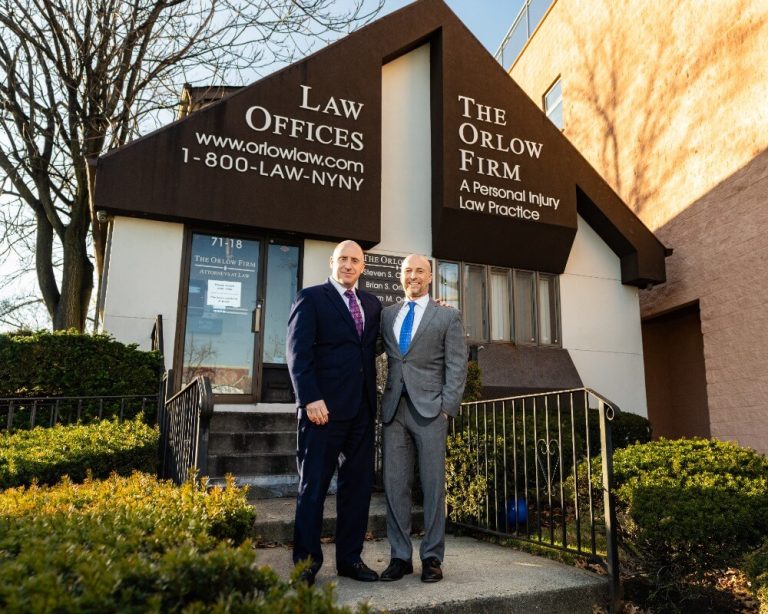
- Explain the role of a vocational expert and how their analysis applies to your case.
- Evaluate how your injuries affect your ability to work , both now and in the future.
- Work with the right experts to show the true impact of your injuries on your job and earning ability.
- Use expert reports and testimony to support your claim in court or during settlement talks.
The Following People Contributed to This Page
Written byParalegal & Office ManagerB.A.Sc., Political Science & Government, John Jay College of Criminal Justice (CUNY), 22+ years at The Orlow Firm, Bilingual: English and Spanish


