

Updated: November 14, 2025 · 21 min read
What Is the Eggshell Skull Rule and How Does It Apply to Injury Victims?
Quick Answer: The Eggshell Skull Rule means a person who causes an injury must take the victim as they are, even if the victim had a pre-existing condition. In New York, this rule holds the at-fault party fully responsible for all harm caused, even if the injury is worse because of the victim’s health condition. To discuss your situation with our experienced personal injury attorneys, contact The Orlow Firm today at (646) 647-3398 for a free and confidential consultation.What Is the Eggshell Skull Rule and Why Does It Matter in NYC Injury Cases?
The "eggshell skull rule" (also known as the "thin skull rule") in New York personal injury cases means a defendant is liable for all damages caused by their actions, even if the victim's injuries are more severe than expected due to a pre-existing vulnerability. This principle ensures that a negligent party cannot escape responsibility simply because the victim's unique physical or mental condition made them more susceptible to harm.
Here's a more detailed explanation:
-
What It Is: The eggshell skull rule is a legal principle applied when a victim sustains more severe injuries than a typical person would, due to a pre-existing condition. It states that the defendant must "take the plaintiff as they find them," meaning the defendant is responsible for all injuries caused or worsened by their negligence, regardless of the victim's pre-existing vulnerability. This rule applies to both physical and mental conditions, and the defendant's knowledge of the pre-existing condition doesn't change their liability.
-
Why It Matters in NYC Injury Cases:
- Fair Compensation: This rule ensures that victims with pre-existing conditions receive full compensation for their injuries, preventing them from being penalized for vulnerabilities they had before the accident.
- Holding Negligent Parties Accountable: It prevents negligent parties from avoiding responsibility by arguing that the victim's pre-existing condition, rather than their own actions, caused or worsened the injuries.
- Protection for Vulnerable Individuals: The rule protects individuals who may be more susceptible to injury due to existing physical or mental conditions, ensuring they can seek justice for the harm they have suffered.
-
Examples:
- A person with osteoporosis breaks several bones in a car accident, an injury less likely for someone without the condition.
- A person with a pre-existing heart condition suffers a heart attack after being hit by a car.
- A person with a mental illness experiences a worsened mental state after a personal injury incident.
In summary, the eggshell skull rule is a crucial principle in New York personal injury law. It protects victims by ensuring that negligent parties are held accountable for all damages caused, even if those damages are more severe due to the victim's pre-existing condition. This rule prevents insurance companies and defendants from arguing that a victim's vulnerability should reduce their compensation.
To discuss your situation with a dedicated legal team, contact The Orlow Firm today at (646) 647-3398 for a free and confidential consultation.How Does the Eggshell Skull Rule Protect Injury Victims in New York?
The Eggshell Skull Rule protects injury victims in New York by making sure that people who cause harm can’t avoid responsibility just because the victim had a pre-existing condition or was more fragile than most. In short, the rule means that a person is responsible for the full extent of the harm they cause—even if the injuries are more serious because the victim was already vulnerable. Under this rule, it doesn’t matter whether the average person would have been hurt less. The person who caused the injury must take the victim “as they are.” This provides protection for people with:- Pre-existing medical conditions like a bad back or brittle bones
- Weakened physical states due to age, illness, or past injuries
- Hidden conditions the at-fault party had no way of knowing about
Can You Still Recover Damages If You Had a Pre-Existing Condition?
Yes, in New York, you can still recover damages after an accident—even if you had a pre-existing medical condition. This is where the Eggshell Skull Rule comes into play. The rule says that a defendant (the person or party at fault) must take the victim as they find them. In simple terms, it means being more vulnerable doesn’t limit your right to compensation. Here’s what that means for injury victims in New York City:- Your pre-existing condition does not block your claim —If someone else’s actions made your condition worse or caused a new injury, you can still file a personal injury claim.
- The at-fault party is still responsible —They're held accountable for all the harm they caused, even if the injury is more severe because of your health history.
- You can still file a claim if new injuries happened or old ones got worse.
- Detailed medical records are important to show what has changed since the accident.
- Insurance companies may challenge your claim , but New York law protects you under the Eggshell Skull Rule.
What Types of Injury Cases Involve the Eggshell Skull Rule in NYC?
The eggshell skull rule can apply in many types of personal injury cases in New York City. This rule says that a person who causes harm is fully responsible, even if the victim has a pre-existing condition that makes their injury worse than expected. In short, a defendant must take the victim “as they are.” Here are some of the most common types of NYC cases where the eggshell skull rule may come into play:- Car Accidents: NYC has a high rate of traffic crashes. If a driver injures someone who already had a medical issue, the driver may still be fully responsible for all injuries caused—even if the harm was more serious due to that pre-existing condition.
- Slip and Falls: If someone slips in a grocery store or on a broken sidewalk and breaks a bone because they have low bone density, the property owner may still be held liable under the eggshell skull rule.
- Workplace Accidents: A person with a prior back injury who gets hurt again on the job may be entitled to full damages. Even though their back was already weak, the employer or third party could still be held responsible for worsening that injury.
- Assault or Intentional Harm: If someone is attacked and suffers greater injuries because of a hidden medical condition, the attacker is still fully responsible for all damages caused.
- Public Transportation Accidents: If a person is hurt on a bus or subway and has a condition that makes the injury worse, the MTA or another party may still be legally responsible.
How Do NYC Courts Apply the Eggshell Skull Rule in Personal Injury Lawsuits?
New York City courts apply the Eggshell Skull Rule in personal injury lawsuits to make sure that injury victims are treated fairly, even if they had pre-existing conditions or were more fragile than the average person. This rule means a person who causes harm is fully responsible for the injury, even if the victim was more likely to be hurt than someone else. When a court looks at a personal injury case in NYC, it does not lower the amount of damages just because the victim was already in poor health or had a medical condition. Instead, the court focuses on how much worse the person got because of the incident, not on how healthy they were before. Here’s how NYC courts typically apply the rule:- Pre-existing conditions don’t reduce liability: If a person already had a condition like a bad back, and a fall caused by someone else made it worse, the person who caused the fall is still fully responsible.
- Defendants must take victims as they are: The court will not allow someone to escape blame just because the victim’s injuries were more serious than expected. The idea is that everyone should be careful and must accept the risk that the person they hurt might be more fragile.
- Medical records matter: Courts often look at medical records before and after the accident to see how the injury changed the person’s condition. Expert testimony from doctors may also be used to prove how the harm was made worse due to the incident.
What Should You Do If You're Injured and Have a Prior Medical Condition?
If you’ve been hurt in an accident and already had a medical condition, it’s important to take the right steps to protect your legal rights. The Eggshell Skull Rule says that the person who caused your injury is still fully responsible—even if your condition made the injury worse. Here’s what you should do to make sure your case is as strong as possible.- Get Medical Help Right Away: Always see a doctor after an accident, even if the pain seems minor at first. Your medical records will help show how the accident affected your pre-existing condition.
- Tell Your Doctor About Your Health History: Be honest with your doctor about any conditions you had before the accident. This helps your doctor track changes and give the right care.
- Keep All Medical Records: Save copies of test results, doctor’s notes, and prescriptions. These papers will help show how the accident made your condition worse.
- Don’t Settle Too Fast: Insurance companies may try to say your injury isn’t serious because of your health history. Don’t accept a quick payout before talking to a lawyer.
- Talk to a Personal Injury Lawyer: A lawyer can explain how the Eggshell Skull Rule applies to your case and help you collect the right evidence. This is especially important in New York City, where injury laws can be complex.
Eggshell Skull Rule vs. Shared Fault: How Does Liability Work in NYC?
In New York City, understanding how the eggshell skull rule works alongside shared fault is important for injury victims. These are different legal ideas, but they both affect how much compensation someone may receive after an accident. The eggshell skull rule says that a person who causes harm is fully responsible for the injuries they cause—even if the victim had a pre-existing condition that made the injuries worse. Simply put, you take your victim as you find them. If someone is more fragile than the average person, that doesn’t reduce the at-fault party’s responsibility. Shared fault (also called “comparative fault”) is when more than one person might be to blame for an injury—including the injured person. Under New York law, even if an injury victim is partly at fault, they can still recover damages. But their compensation will be reduced based on their percentage of fault. Here’s how both rules might work together in a NYC personal injury case:- Example 1: A pedestrian with a brittle bone disorder (a pre-existing condition) is hit by a car. The driver is 100% at fault. The pedestrian's injuries are more severe because of their condition. The eggshell skull rule protects the pedestrian—they can recover full damages, even if someone without their condition might not have been as seriously hurt.
- Example 2: That same pedestrian was distracted by their phone while crossing outside the crosswalk. A jury finds the driver 80% at fault and the pedestrian 20% at fault. Under shared fault rules, the pedestrian can still recover damages, but the total will be reduced by 20%.
How Can an NYC Personal Injury Lawyer Help With an Eggshell Skull Rule Case?
A personal injury lawyer in New York City can play a key role in cases involving the Eggshell Skull Rule. This legal rule says that a person who causes an injury is fully responsible, even if the victim had a pre-existing condition that made the injury worse. A lawyer can help make sure the courts apply this rule fairly to your case. Here are some important ways a New York City personal injury lawyer can help:- Gathering Strong Medical Evidence: Your lawyer will collect medical records that show how the accident caused your injury. They will also gather evidence proving that your condition worsened because of the accident—not because of your past health problems.
- Working with Medical Experts: In many cases, your lawyer may consult with doctors or specialists. These experts can help explain how your injury is linked to the accident, even if you had a medical condition before.
- Fighting Against Insurance Company Tactics: Insurance companies often try to reduce what they pay by blaming your health issues. A lawyer can push back, showing that your current injuries are still the result of the accident—and that full compensation is owed.
- Presenting Your Case Clearly: If your case goes to court, your lawyer will explain the Eggshell Skull Rule to a judge or jury. They’ll show that the person who caused the injury must take you “as you are,” even if you were more likely to be hurt than someone else.
- Calculating Full Damages: A lawyer can add up all the ways the injury affected your life. This could include medical bills, missed work, pain and suffering, and more. The goal is to seek fair and complete compensation.
Frequently Asked Questions About the Eggshell Skull Rule in New York
- What is the Eggshell Skull Rule? The Eggshell Skull Rule is a legal principle that says a person who causes harm is responsible for all resulting injuries, even if the victim was more fragile than most people. The term comes from the idea that if someone has a “thin skull,” the person at fault still has to take them as they are and pay for the harm caused.
- Does New York recognize the Eggshell Skull Rule? Yes. New York courts follow the Eggshell Skull Rule in personal injury cases. If someone injures a person who already had a medical condition or was physically vulnerable, they may still be fully responsible for the injuries that occurred as a result of their actions.
- How does this rule protect injury victims? The rule prevents at-fault parties from arguing they should pay less because the victim was already in poor health. It ensures the injured person can receive full compensation, even if their injuries were worse due to a pre-existing condition.
- Can I still file a claim if I had a pre-existing condition? Yes. You can still seek damages even if you had health issues before the accident. The Eggshell Skull Rule says that the person responsible must pay for all the harm their actions caused, including injuries made worse by your condition.
- Does the Eggshell Skull Rule apply in all personal injury cases? This rule can apply in many types of cases, including car accidents, slip and fall injuries, assault, and others. If someone’s negligence or wrongful act causes harm, and that harm is made worse by a medical condition, the rule may apply.
- What if the insurance company says my injuries were already there? Insurance companies may try to avoid paying full compensation by blaming your injuries on your past medical condition. However, under the Eggshell Skull Rule, they can still be held responsible for any new or worsened injuries that occurred because of the accident.
- How can I prove that the accident caused or worsened my injuries? Medical records, doctor statements, and other evidence can show how the accident affected your health. A personal injury attorney can help gather this evidence and speak with medical professionals to support your case.
- Is the Eggshell Skull Rule different from shared fault rules in New York? Yes. The Eggshell Skull Rule deals with how much harm was done, even to a fragile victim. Shared fault rules affect how much money you can recover if you were partly at fault for the accident. New York uses a “pure comparative fault” system, which means your compensation may be reduced based on your percentage of fault.
- Will the court understand my unique medical situation? Courts look at each case carefully. Your lawyer can present medical history, expert testimony, and accident details to show how the injury occurred and why the at-fault party should be fully responsible.
- What should I do if I think the Eggshell Skull Rule applies to my case? If you were hurt and have a pre-existing condition or physical vulnerability, talk to a personal injury lawyer. A lawyer can help you understand your rights and build a strong case for compensation under this rule. You can call The Orlow Firm at (646) 647-3398 for a free, private consultation.
Contact The Orlow Firm for a Free Consultation About Your NYC Injury Case
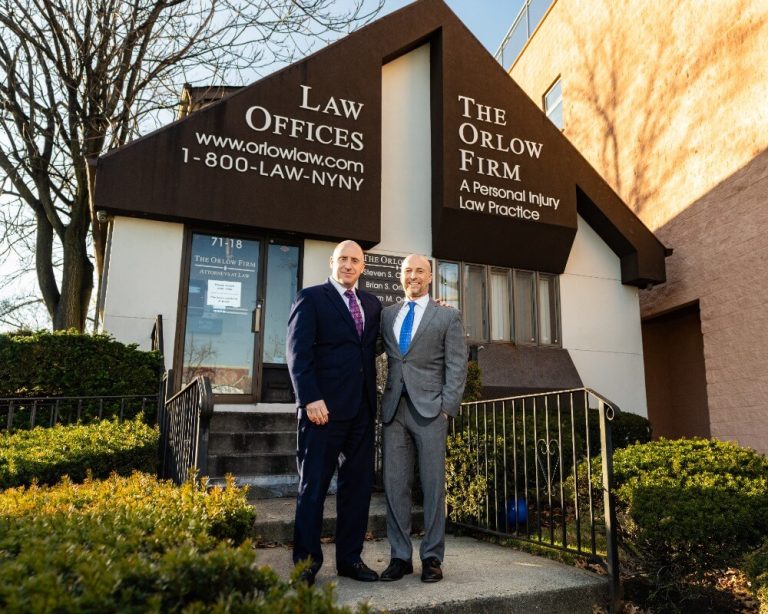
- Listen to your story carefully so we fully understand what happened and how your injuries affected your life.
- Review your existing medical history to explain how the Eggshell Skull Rule might apply to your case.
- Advise you on what evidence matters , whether it’s medical records, accident reports, or witness statements.
- Help you understand your legal options without pressure or commitment.
- Osteoporosis or bone weakness
- Previous brain or spinal injuries
- Heart problems or chronic illnesses
- Any condition that makes you more fragile
Sources and Legal References
- Cornell Law Institute (LII) — Eggshell Skull Rule Definition
- CPLR Section 1411 — New York Pure Comparative Negligence
- CPLR Section 214 — Statute of Limitations (Three Years for Personal Injury)
- NY Courts — Statute of Limitations Chart
The Following People Contributed to This Page


