

Updated: October 9, 2025 · 19 min read
What Is a Medical Lien?
Quick Answer: In New York, medical liens allow doctors or hospitals to claim part of your personal injury settlement to cover unpaid treatment. This means your final payout may be reduced to repay those medical bills before you receive any funds.How Do Medical Liens Work in New York?
In New York, a medical lien is a legal claim against a personal injury settlement to cover medical expenses incurred due to the injury. It's a way for medical providers (hospitals, doctors, insurers) to ensure they are paid for their services. When a person files a personal injury lawsuit, they may need to satisfy these liens before receiving their settlement.- Medical Treatment and Insurance: When someone is injured and receives medical treatment, the expenses can be covered by their insurance, their own funds, or by a hospital or medical provider who agrees to provide care on a lien basis.
- Lien Agreements: If the treatment is on a lien basis, the patient typically signs a "letter of protection" or lien agreement, promising to repay the medical provider from the settlement.
- Personal Injury Lawsuit: If the injury is due to someone else's negligence, the injured party may file a personal injury lawsuit.
- Settlement and Lien Satisfaction: If the lawsuit results in a settlement, the medical provider will have a claim against the settlement to be repaid for the medical bills.
- Prioritization of Liens: The injured party's settlement proceeds will likely be distributed to satisfy liens, including medical liens, before they receive any remaining funds.
- Negotiation and Reduction: It's possible to negotiate with lienholders to reduce the amount owed.
Types of Medical Liens:
- Hospital Liens: Under New York Lien Law Section 189, hospitals that provide emergency treatment or inpatient care to accident victims may place a lien on personal injury settlement proceeds to recover the cost of that care.
- Insurance Company Liens: In New York, most private health insurers are barred from asserting subrogation or reimbursement claims against personal injury settlements under General Obligations Law Section 5-335. However, exceptions exist for self-funded ERISA plans, Medicare, Medicaid, and workers' compensation.
- Government Agency Liens: If Medicaid or Medicare paid for medical expenses, these programs have a statutory right to recover their costs from your settlement. Medicaid liens in New York are governed by Social Services Law Section 104-b, while Medicare's recovery rights stem from federal law under 42 U.S.C. Section 1395y(b)(2).
- Workers' Compensation Liens: If the injured party received workers' compensation benefits and also has a third-party personal injury case, the workers' compensation carrier has a statutory lien under Workers' Compensation Law Section 29 to recover benefits it paid from the third-party settlement.
Importance of Seeking Legal Advice:
It's crucial to consult with a personal injury attorney in New York to understand the potential impact of liens on your case. An experienced attorney can help navigate the lien resolution process, negotiate with lienholders, and ensure you receive the maximum possible compensation.How Do Medical Liens Impact Your Personal Injury Settlement in NYC?
A medical lien can take away a portion of the money you receive from a personal injury settlement. In New York City, this issue comes up often in cases where healthcare providers or insurance companies want to get paid back for medical treatment you received after an accident. Here's how it affects your settlement:- Reduces your final payout: If a medical lien is attached to your case, the money owed must be paid out of your settlement before you receive the rest. This can make your take-home amount smaller than expected.
- Pays providers who gave you care: Many hospitals, doctors, or even Medicaid may place a lien if they treated you after your accident. They do this to make sure they're paid once your case settles.
- May delay your payout: Sometimes, settlements are delayed if there are questions or disputes about a lien. Lawyers often must work to resolve or reduce liens before distributing funds.
- Can be negotiated: In many NYC personal injury cases, attorneys may be able to negotiate with lien holders to reduce the total amount owed. This may help you keep more of your settlement money.
Who Can Place a Medical Lien on Your Injury Case in New York?
In New York, several different groups can place a medical lien on your personal injury case. A medical lien allows someone who paid or provided your medical care to recover their costs from your settlement. Once you receive money from your case, they may have the right to get reimbursed before you do. Here are the most common types of parties who can place a medical lien in a New York injury case:- Hospitals and Medical Providers: If you received care after an accident and haven’t paid the full bill, the hospital or doctor can file a lien. This means they will be paid from your future settlement for the amount you owe them.
- Health Insurance Companies: In New York, most private health insurers are prohibited from seeking subrogation or reimbursement from personal injury settlements under General Obligations Law Section 5-335. However, self-funded ERISA plans governed by federal law may still have enforceable reimbursement rights that override this state protection.
- Medicaid and Medicare: If you received government health benefits like Medicaid or Medicare, these programs can place a lien on your case. Federal or state agencies may recover funds they paid for accident-related care.
- Workers’ Compensation Providers: If you were hurt on the job and received workers’ compensation benefits, the insurance carrier may have a lien on any third-party personal injury lawsuit. This helps them recover benefits they already paid out.
- No-Fault Insurance Carriers: In New York, basic no-fault (PIP) insurance covers medical bills after car accidents, and generally does not create a lien against personal injury settlements because you cannot sue for the same economic losses covered by PIP. However, if you purchased Additional Personal Injury Protection (APIP), that carrier may have contractual subrogation rights to recover the extended benefits it paid from your third-party settlement.
Can You Negotiate or Reduce Medical Liens in NYC Personal Injury Cases?
Yes, in many cases, medical liens in New York City personal injury cases can be negotiated or reduced. A medical lien is a legal claim by a healthcare provider or insurance company to be paid out of your personal injury settlement. These liens can take a large portion of your settlement if not properly handled. Fortunately, there are ways to try to lower how much you have to pay back. Here’s how the process often works:- Negotiation with the healthcare provider: Lawyers can often talk directly with hospitals, doctors, or clinics to ask for a reduced payment. This may happen if the original bill was high or the provider agrees to accept less so you can still receive some compensation for your injuries.
- Reduction based on hardship: If your settlement isn’t large enough to cover all your medical bills, lien holders may agree to take a smaller amount. They understand that something is usually better than nothing if the alternative is a long delay or legal dispute.
- Disputing parts of the lien: Sometimes you can challenge parts of the lien. For example, if some treatments weren’t related to the accident or were billed incorrectly, your lawyer may argue against paying those portions.
- Legal protections from the court: In certain situations, a court in New York may step in to reduce a lien if it finds that it's unfair or unreasonable under the circumstances.
What Are Your Rights When Dealing with Medical Liens in New York?
When dealing with medical liens in New York, it's important to know that you do have rights. A medical lien allows a healthcare provider or insurance company to claim part of your personal injury settlement to recover the cost of your treatment. However, this does not mean you have to accept any lien without question. Here are some of the key rights you have as an injured person handling medical liens in New York City:- You have the right to be informed of a lien: A hospital or insurer must notify you—or your attorney—if they plan to place a lien on your injury settlement. You're not required to pay a lien that you never knew about.
- You have the right to see the lien details in writing: Any valid medical lien should include the provider's name, the amount claimed, and the reason for the claim. This helps ensure the charges are accurate and connected to your injury.
- You have the right to dispute or challenge the lien: If you believe the amount is too high, unrelated to your injury, or incorrectly filed, you may be able to challenge it. Your attorney can work to prove that the charges are not valid or are excessive.
- You have the right to negotiate the lien amount: In many cases, hospital or insurance liens can be reduced through negotiation. For example, if your settlement is small, providers may agree to take less so that you still receive compensation.
- You have a right to legal representation: Medical liens can be confusing and affect how much money you take home. A personal injury lawyer can help protect your interests, review lien documents, and fight for a fair outcome.
How Do You Know If There is a Medical Lien on Your NYC Injury Claim?
If you've been injured in an accident, you may be wondering whether a medical lien has been placed on your personal injury claim. A medical lien is a legal right that allows a healthcare provider or insurer to be repaid from your settlement. In New York City, these liens can impact how much money you take home from your case. Here are some ways to find out if there’s a medical lien on your personal injury claim:- Your Medical Providers Inform You: Doctors, hospitals, or clinics may tell you directly that they will place a lien on your injury claim. This is common when they treat you without being paid up front.
- Health Insurance Letters: Your health insurer might send you a notice saying they plan to recover costs from your settlement. This is especially common with Medicare, Medicaid, or employer-provided insurance.
- Official Lien Notices: Some liens must be filed with the court or sent to your attorney. If your medical provider or insurance files an official lien, your attorney should receive notice.
- Your Attorney’s Review: A personal injury lawyer can review your medical bills and insurance records. At The Orlow Firm, we regularly check for any liens that may apply to your case.
- Hospitals or doctors who haven’t received payment
- Medicare or Medicaid if they paid for your treatment
- Private health insurance providers
- Workers' compensation insurers
What Happens If Medical Liens Aren’t Paid After a Settlement?
If medical liens are not paid after your personal injury settlement, it can lead to serious issues. A medical lien is a legal claim placed by a health care provider or insurer to recover the costs of your treatment. In New York City personal injury cases, these liens are usually paid out of your settlement before you receive the remaining funds. Failing to pay these liens can result in:- Debt collection efforts: If a lienholder is not paid, they may send your debt to collections. This can hurt your credit score and result in collection calls or legal action.
- Legal action by the lienholder: The hospital or insurer may file a lawsuit to recover the unpaid amount. This can add more stress and cost even after your case is closed.
- Delays in receiving your share of the settlement: Liens must be reviewed and resolved before you can collect your portion of the money. Unpaid liens can delay the whole process.
- Ethical and legal issues for attorneys: Your lawyer has a legal duty to make sure liens are handled properly. If liens are ignored, it may cause problems for both you and your attorney.
- Review all lien notices carefully. Know which providers filed a lien and how much they’re asking for.
- Work with your attorney to resolve any liens. Your lawyer can often negotiate a lower payment or verify if the lien is valid.
- Do not spend your settlement until liens are resolved. Always ask your attorney what portion of the settlement will go to lienholders.
FAQ About Medical Liens and Personal Injury Settlements in NYC
When dealing with personal injury claims in New York City, it’s common to come across the term “medical lien.” Below are some frequently asked questions to help you understand how medical liens work and how they can affect your personal injury settlement.- What is a medical lien? A medical lien is a legal claim that allows a healthcare provider or insurance company to get paid from your injury settlement for services they already provided. If you received treatment but haven't paid yet, they may place a lien to secure payment once you receive compensation.
- Who can file a medical lien in New York? In New York, several parties can file a lien on your injury case. These include hospitals under the state's hospital lien law, health insurers, government programs like Medicaid or Medicare, and sometimes private doctors who treated you on a lien basis.
- How does a medical lien affect my settlement? Medical liens are paid out of your settlement before you receive your portion. This means the final amount you take home may be reduced. It’s important to know about these claims before settling your case.
- Can medical liens be negotiated or reduced? Yes, in some cases, liens can be reduced or negotiated. For example, if the lien is large or the settlement amount is limited, your attorney may work with the lien holder to lower the amount owed.
- How do I know if there’s a lien on my case? Providers should notify you or your attorney if they plan to place a lien. Still, it’s important to ask your lawyer to check for any possible liens before agreeing to a settlement.
- What happens if medical liens aren’t paid? If a valid lien isn’t paid, the lien holder can take legal action. This could include suing you or placing a claim against your settlement or awards.
- Are all medical liens treated the same in NYC? No, the type and priority of a lien can vary. For example, a hospital lien under New York law has specific priority rules — it is subordinate to attorney liens under Section 189(7), but takes priority over the injured party's general claim to settlement funds. Medicaid and Medicare have their own strict rules. Each one must be handled properly.
- Can a lien be filed without my knowledge? While lien holders are expected to notify you of their claim, it's possible you won’t get advance notice, especially if you don’t have legal help. That's why it's important to review all outstanding bills or claims with your attorney.
- Do liens apply only in accident cases? Most medical liens are connected to personal injury claims, including car crashes, slips and falls, or other accidents where someone else’s negligence caused harm. However, they don’t apply in every case, and the rules can differ depending on who provided care.
- How can a lawyer help with medical liens? A personal injury lawyer can help manage liens, respond to lien notices, negotiate reductions, and make sure all claims are handled before your settlement is finalized. This helps protect your recovery and simplifies the process.
Sources
- New York Lien Law Section 189 — Hospital Liens (NY Senate)
- New York General Obligations Law Section 5-335 — Limitation of Subrogation Claims (NY Senate)
- New York Social Services Law Section 104-b — Medicaid Liens (Justia)
- New York Workers' Compensation Law Section 29 — Subrogation (NY Senate)
- 42 U.S.C. Section 1395y — Medicare Secondary Payer Act (Cornell Law)
- Office of the Medicaid Inspector General — Casualty Recovery (NY OMIG)
- NYC HRA — Repaying a Lien (NYC.gov)
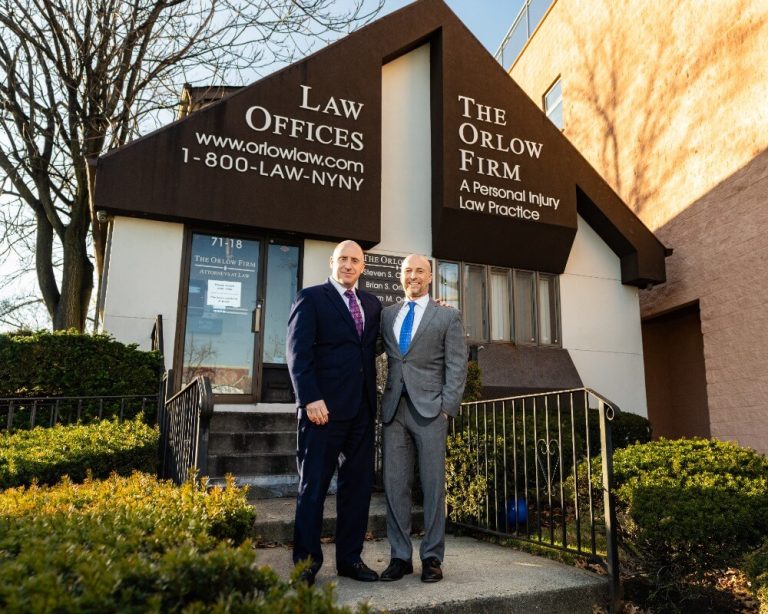
Contact The Orlow Firm for Help With Medical Liens and Injury Cases in New York
- Reviewing all medical liens and making sure they were filed correctly and are legal
- Negotiating to reduce or eliminate liens whenever possible, which can increase your take-home amount
- Communicating with hospitals, insurance companies, and government agencies on your behalf
- Guiding you through the full settlement process so you understand your rights and responsibilities
The Following People Contributed to This Page
Written byParalegal & Office ManagerB.A.Sc., Political Science & Government, John Jay College of Criminal Justice (CUNY), 22+ years at The Orlow Firm, Bilingual: English and Spanish


